
An Indian wedding is rarely one day.
Indian Wedding Photographer & Videographer London
Hindu, Sikh, Tamil, Gujarati. Different ceremonies, different traditions, one dedicated team experienced in capturing every moment.
12 weddings
See the full portfolio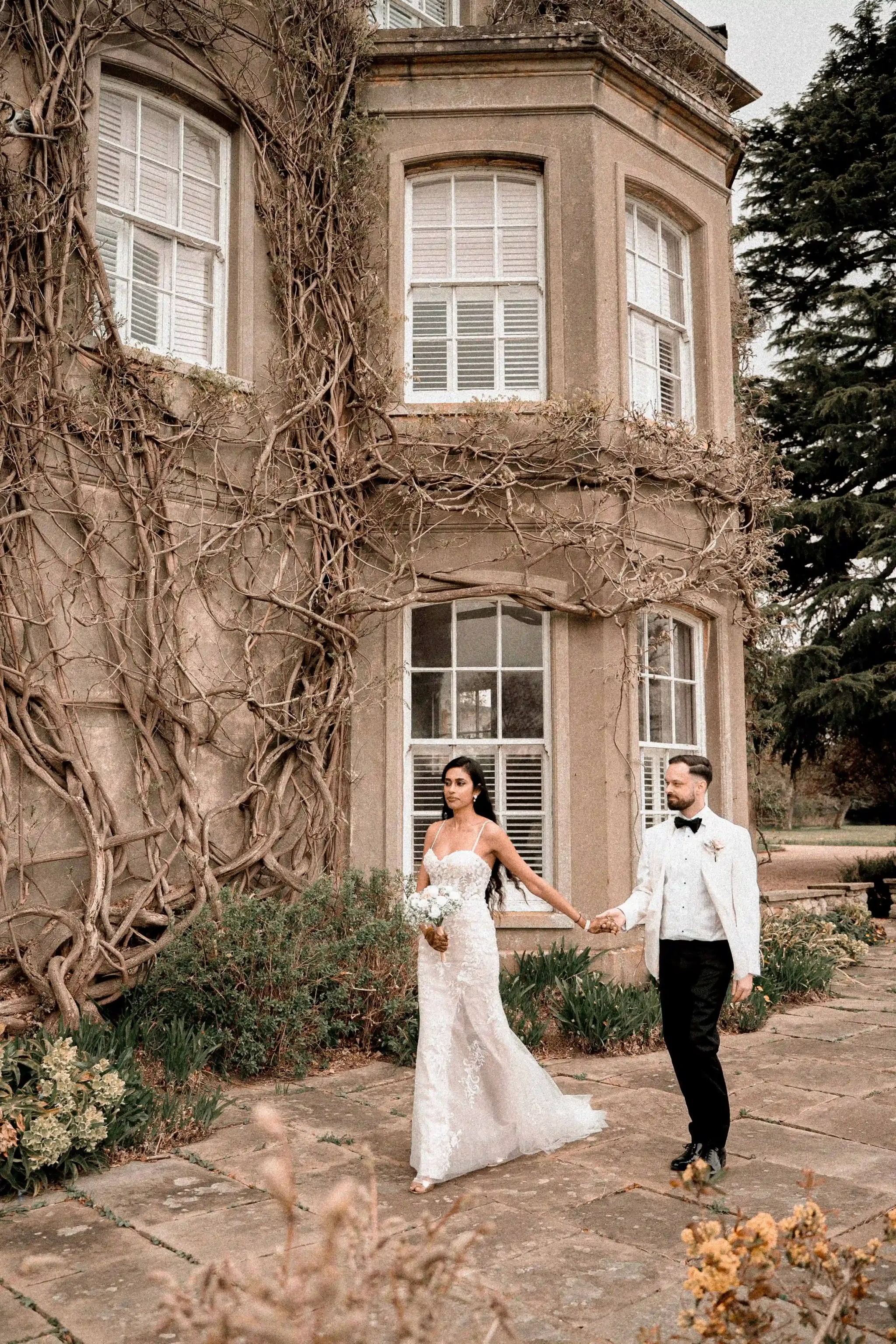
Sonam & Andrew
Hindu & Christian & Fusion · Northbrook Park
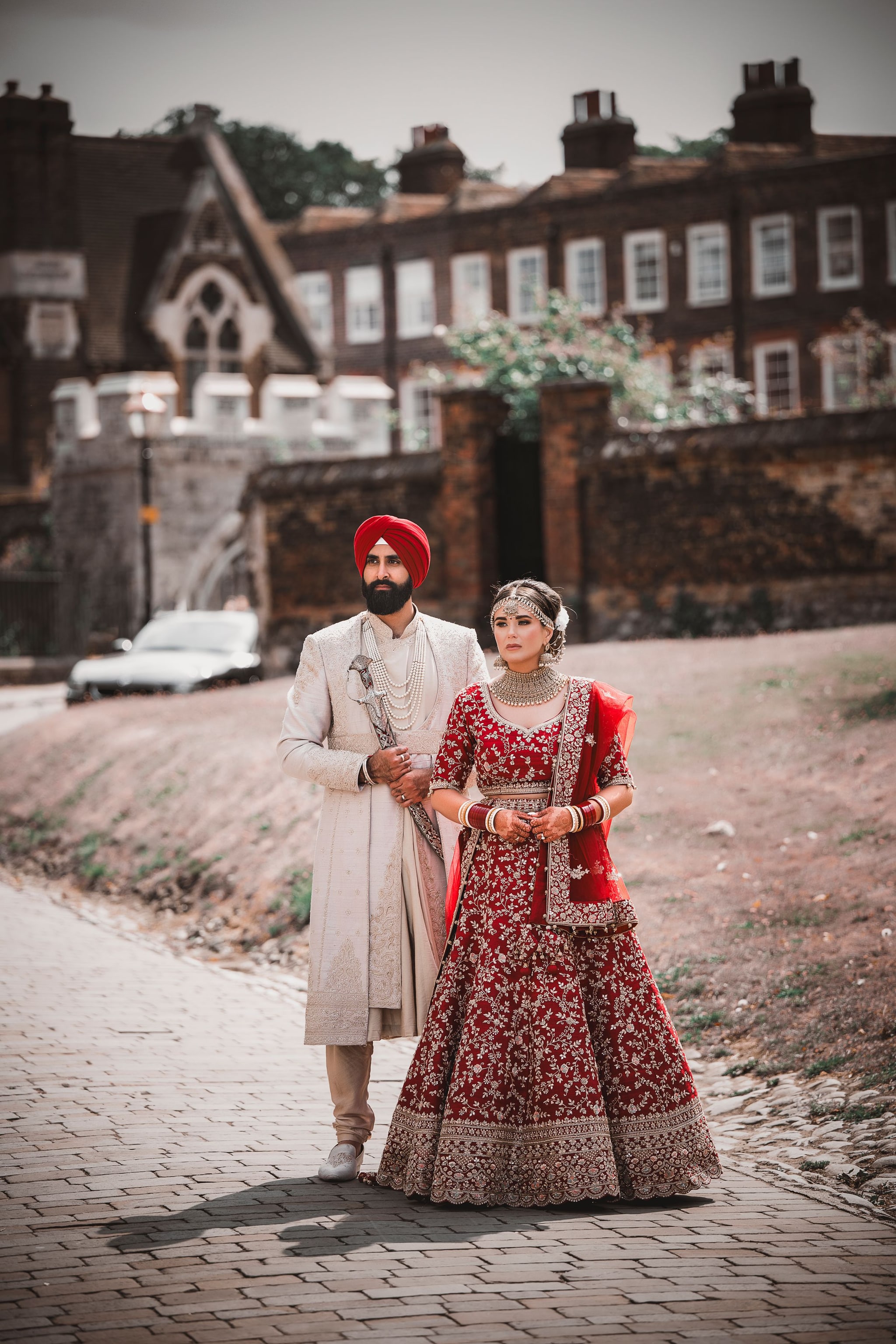
Navjot & jessica
Sikh & Christian & Fusion · Medway Towns Gurdwara
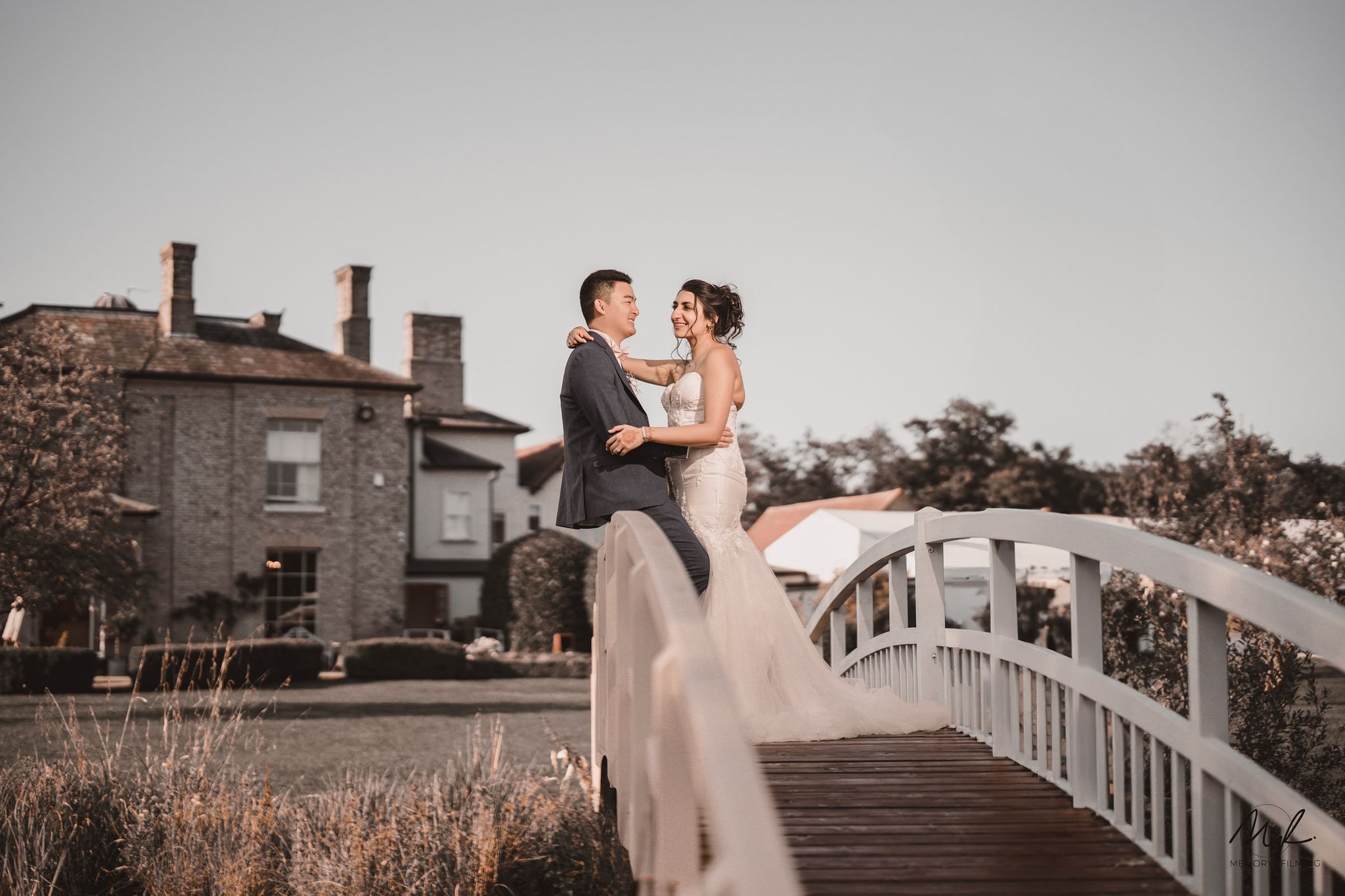
Kuldeep & Andrew
Christian & Sikh & Fusion · Fennes - Wedding Venue in Essex
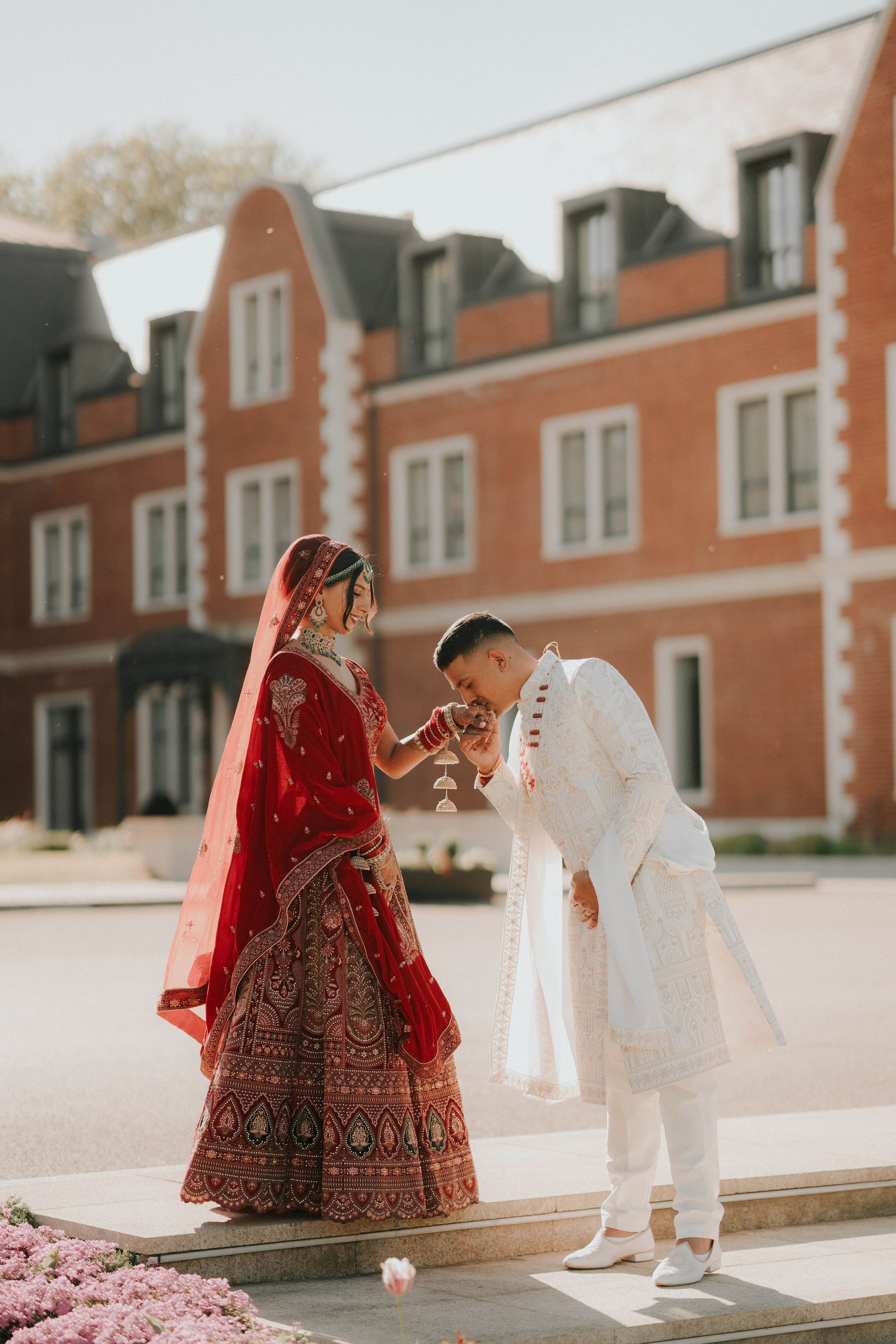
Tanuj & Tanisha
Hindu · Radisson Blu Hotel
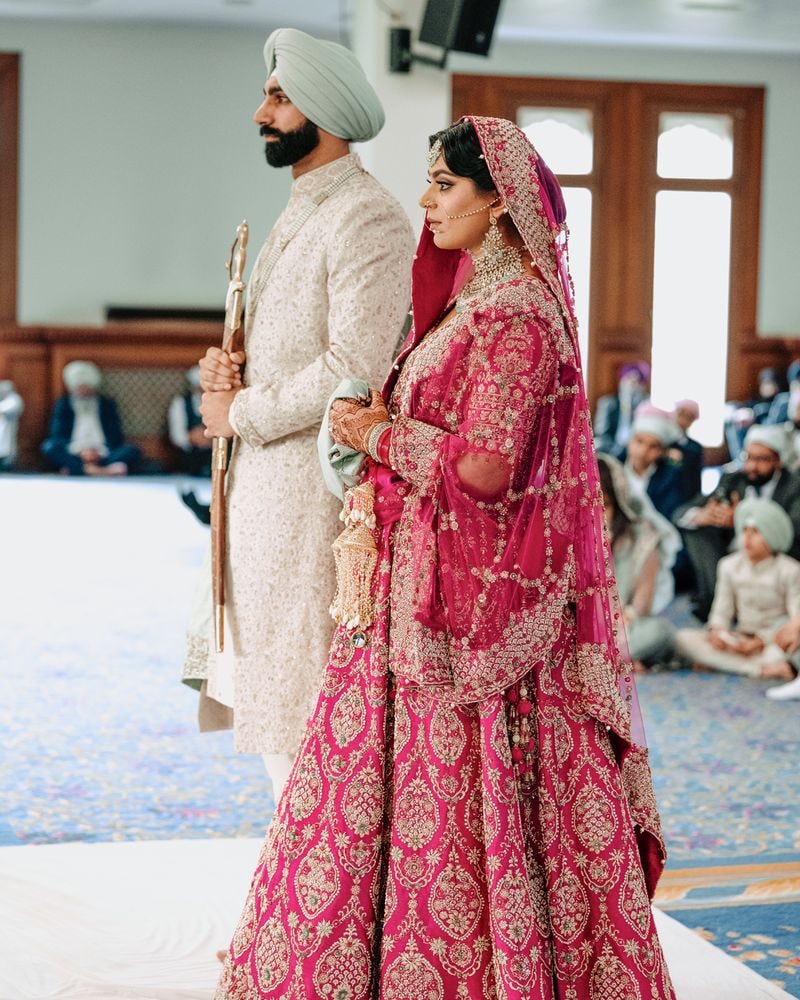
Dilpreet and Manveer
Sikh · Sri Guru Nanak Darbar Gurdwara
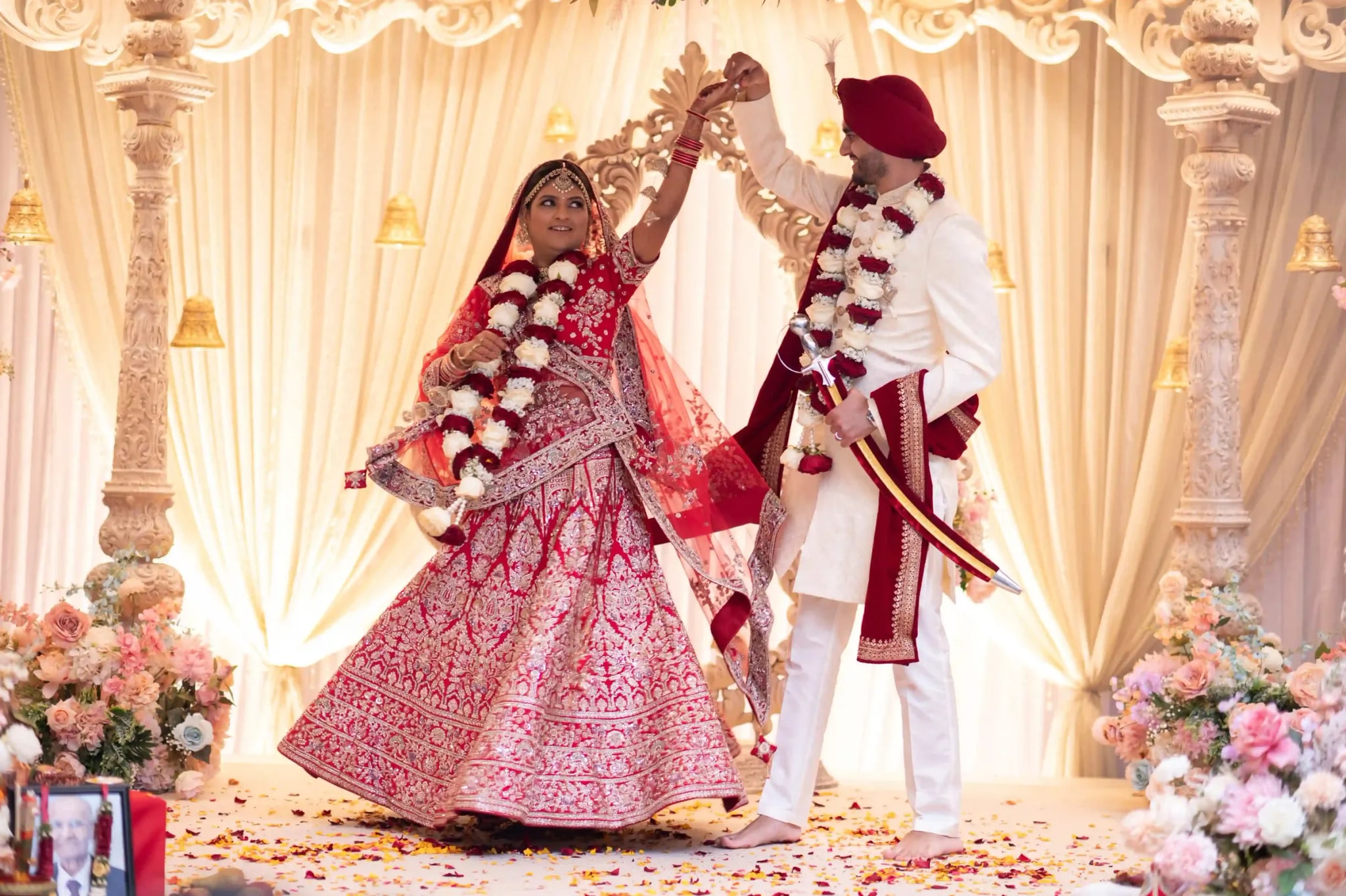
Sonal & Pavan
Hindu · Syon Park
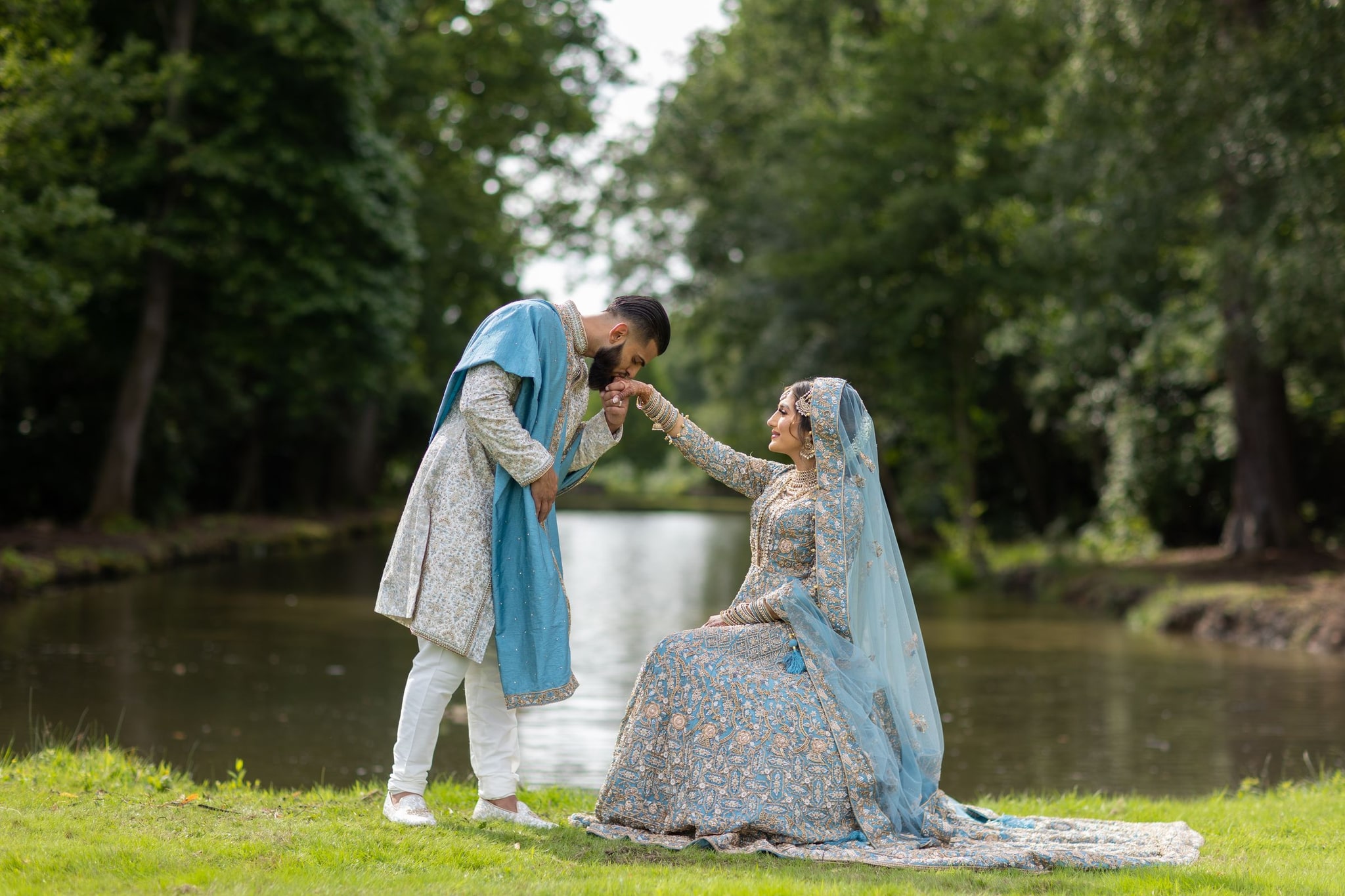
Sunny & Salsabil
Bengali · Warbrook House
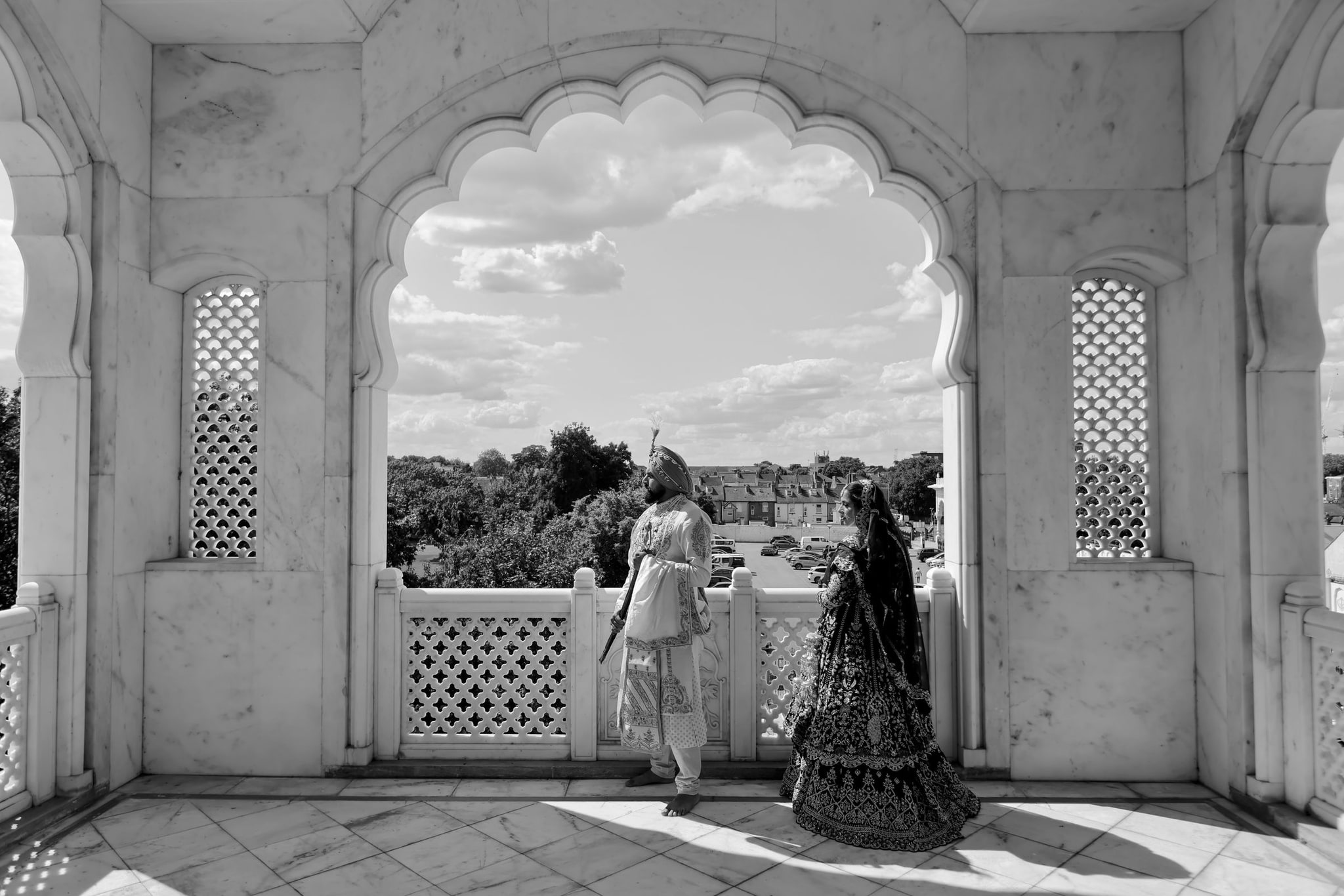
Baljeet & Sandeep
Sikh · Sri Guru Nanak Darbar Gurdwara

Archi & Aditya
Hindu · Grand Sapphire
-800x1000.jpg&w=2048&q=88)
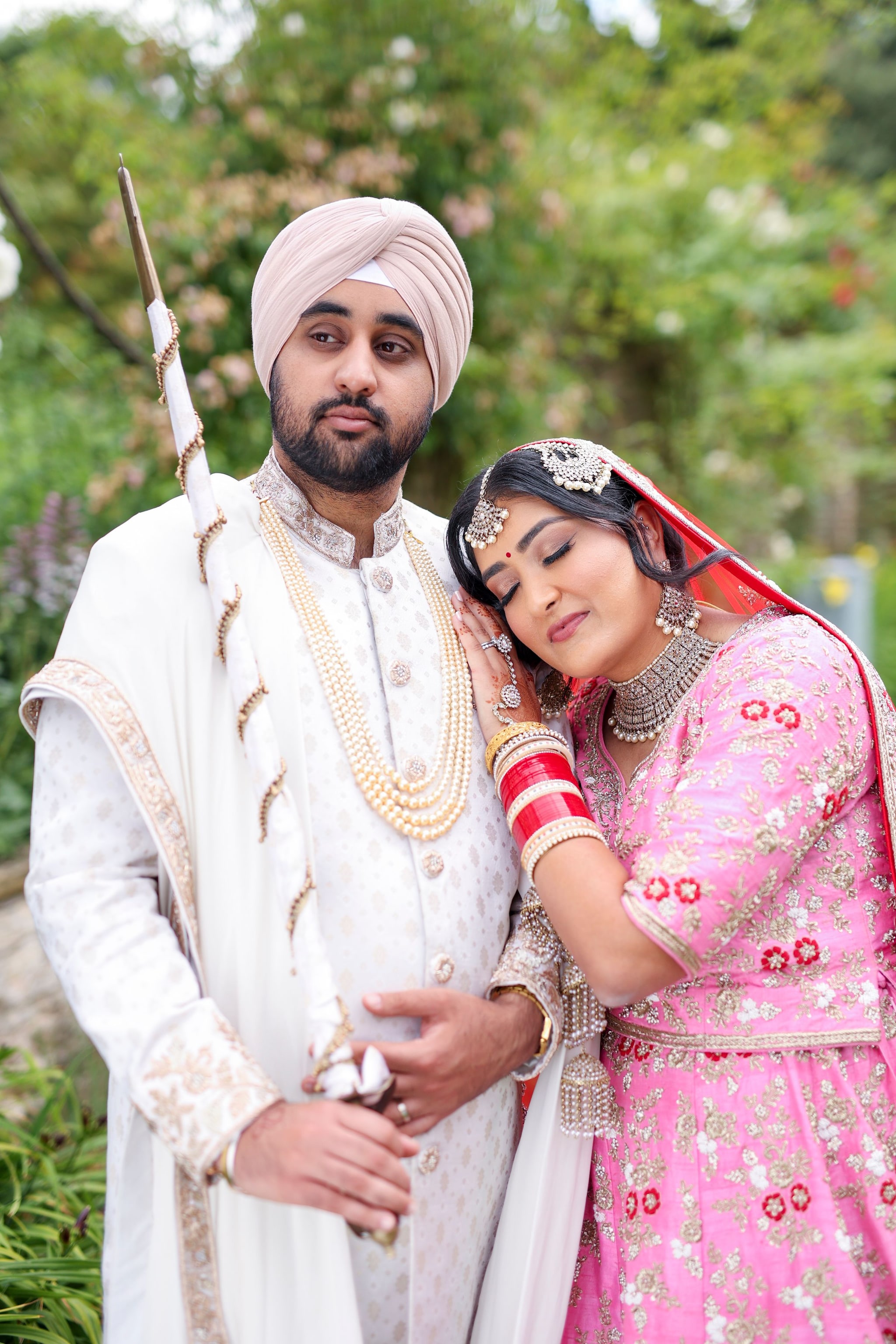
Jasmine & Manvir
Sikh · Gurdwara Sri Guru Singh
Jai Sandhu & Amarjyot
Sikh · Gurdwara Sahib Leicester
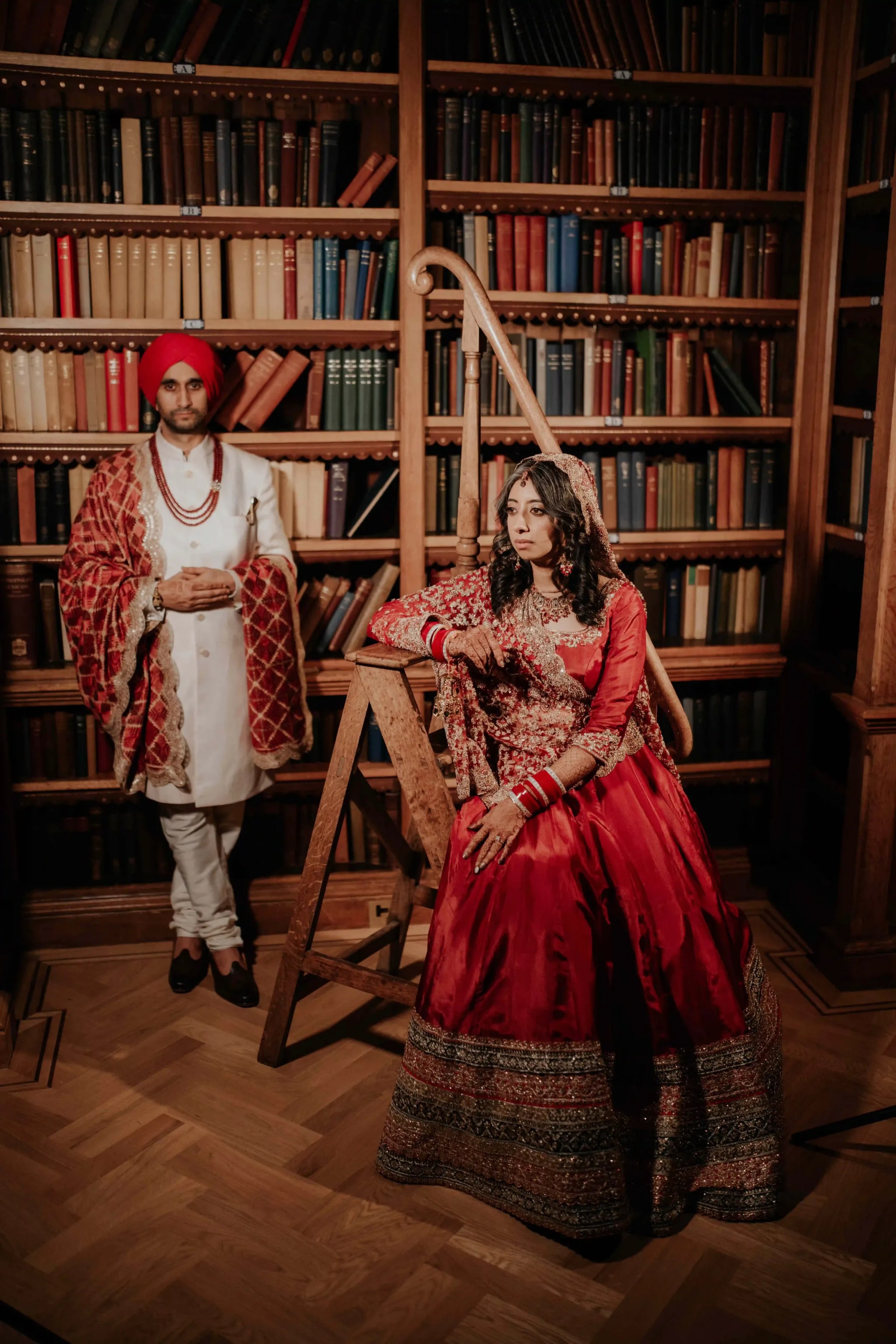
Sandeep & Shehroz
Hindu · Dulwich College
One phrase, several very different days
Indian wedding covers a great deal of ground. A Hindu vivaah and a Sikh Anand Karaj share almost nothing in structure, and what a photographer may do in a Gurdwara is not what they may do under a mandap.
What the ceremonies do share is scale. Most run across several days and more than one venue, with a mehndi, a sangeet, the ceremony itself and a reception, often with different sides of the family hosting different parts. The work is as much about knowing where to be at four in the afternoon on the second day as it is about the pictures.
We have filmed weddings in London since 2000. In that time the specific things that matter have become the whole job: which round of the laavan you cannot cross the floor during, when the varmala actually happens rather than when the schedule says, how long it really takes to move three hundred guests from a ceremony to a reception across the city.
Below are the ceremonies we cover in detail. If yours sits across two of them, which many do, that is normal and we film it as one wedding rather than two.
The ceremonies we film
Each has its own page, written by the people who stood in the room. Start with whichever is yours.
- 01
Hindu weddings
The vivaah sanskar under the mandap: baraat, milni, jaimala, the pheras and the sindoor. Often the longest ceremony of the week and the one with the most happening at once.
- 02
Sikh weddings
The Anand Karaj in the Gurdwara, where restraint is the job. No lens toward the Guru Granth Sahib, no flash, fixed positions to the side, and all four laavan covered from two angles.
- 03
Tamil weddings
The thirumanam, with the nadaswaram and thavil, the thaali, and a morning start that means the light is gone from the hall before most crews have arrived.
- 04
Bengali weddings
Gaye holud, the shubho drishti, and the mala badal. Colour-led and family-led, and quite unlike the ceremonies further west.
- 05
Mehndi and sangeet
The nights before, which are frequently the best footage of the whole week and the most commonly under-covered.
- 06
Fusion weddings
Two traditions in one weekend, or a civil ceremony alongside a religious one. Filmed as a single story rather than two half-covered ones.
How much coverage
The honest answer depends on how many days you are running and how many rooms need a camera at the same time. These are the shapes it usually takes.
One ceremony
- A single day, start to finish
- One photographer, or a photographer and filmmaker
- The ceremony and the reception that follows
Suits a civil ceremony, or a wedding where the religious ceremony and reception share a venue.
The usual shape
- Two or three events across a weekend
- Second shooter on the main day
- Both preparations covered, not one
- Mehndi or sangeet included
Where most Indian weddings in London land.
Full multi-day
- Three or more days, often more than one venue
- Full crew, with the two families covered in parallel
- Drone where the venue permits it
- A longer cinematic edit as well as the highlights
For weddings where the guest list runs past three hundred and the events run past three days.
We don't publish prices, because no two of these weddings are the same. Tell us the date, the venue and how many events you are running, and we will send an itemised quote with nothing to decode.
Twenty-five years in the room
Why the specifics matter
There is no reshoot for a wedding. Most of what separates a good film from a disappointing one is decided before the day.
We agree positions in advance
Every Gurdwara and every mandir sets its own rules, and they are not preferences. We speak to whoever runs the hall weeks ahead rather than negotiating at the door on the morning.
Two sides, not one
The ceremonies that matter most are the ones where a single camera can only ever see half of it. A second position is not an upgrade on those days; it is the difference between having the moment and not.
We know the running order
Knowing that the jaimala tends to run late, or that the thaali happens quickly and without announcement, is what puts a camera in the right place without anyone being asked to repeat anything.
Twenty-five years of it
Nine thousand seven hundred weddings since 2000, across every one of these traditions, in most of the venues in London you are likely to be considering.
Questions
Before you ask.
Do you cover more than one day?
Yes, and most Indian weddings we film run across at least two. Tell us the full shape of the week when you enquire and we will come back with what it needs rather than a fixed package.
Our wedding mixes two traditions. Can you film that?
Yes. It is common and we film it as one wedding rather than two separate bookings. The fusion weddings page goes into how we approach it.
Have you filmed in our venue before?
Very possibly. Tell us the venue when you enquire and we will say plainly whether we have worked there, and what we know about filming in that particular room.
What does it cost?
It depends on how many ceremonies you are having, how many hours each runs, how many people are working and what you want at the end. There is no useful single figure, so we would rather hear about your wedding and give you a real answer.
How far in advance should we book?
Popular dates go a long way out, particularly in summer and around the main festival periods. If you have a date and a venue, it is worth asking now even if nothing else is decided.
4 awards for our work, including from Pakistan Achievement Awards International. Rated 5 out of 5 from 18 reviews on Bridebook. See them.
Enquire
Is your datestill free?
Tell us the date and the venue and we will come back within one working day with availability, a crew size and a straight price.