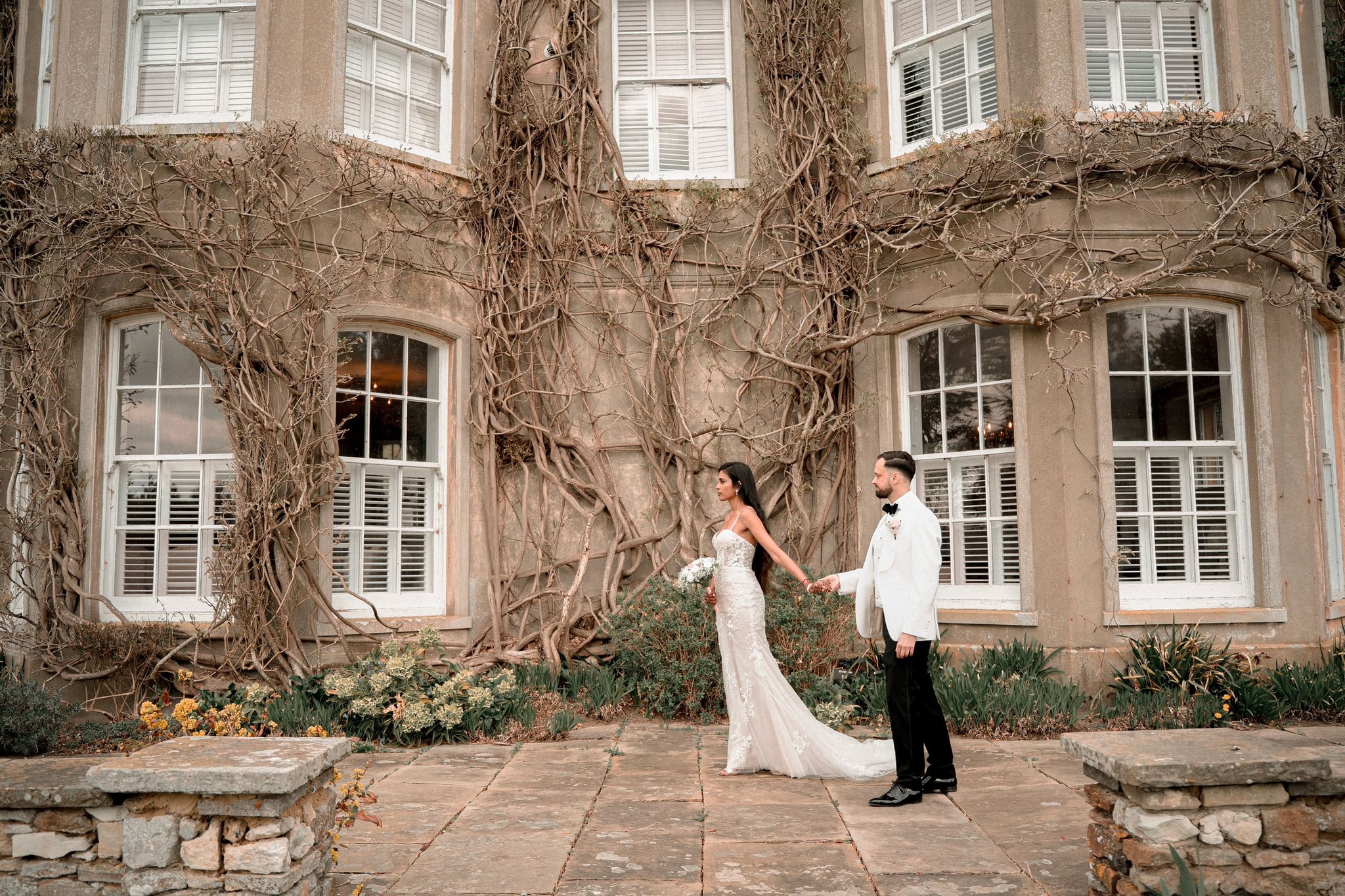
Two traditions. One story.
Fusion Wedding Photographer & Videographer London
A Nikkah on the Friday and a barn on the Sunday. One crew across both, and a film that treats neither as the support act.
12 weddings
See the full portfolio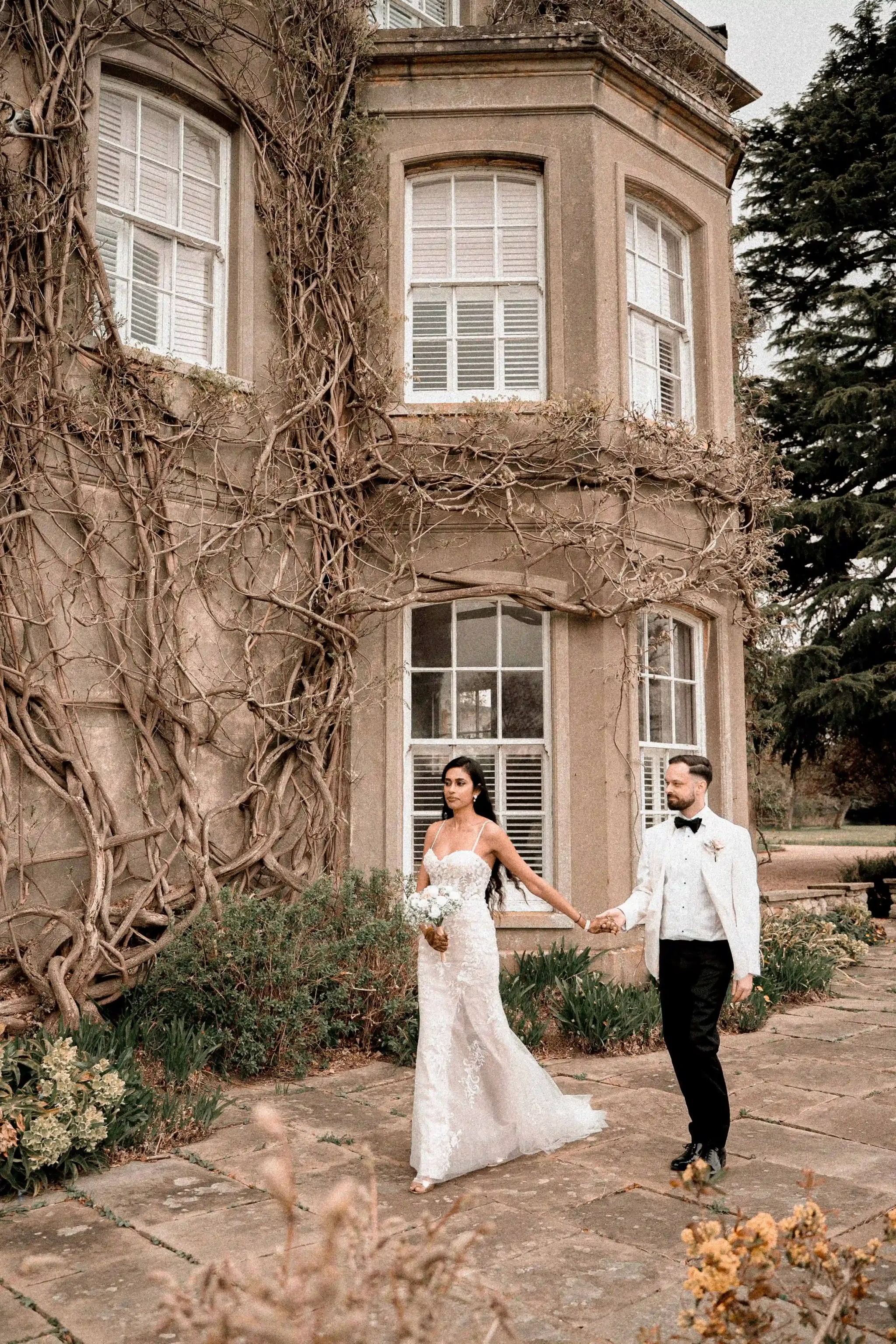
Sonam & Andrew
Hindu & Christian & Fusion · Northbrook Park
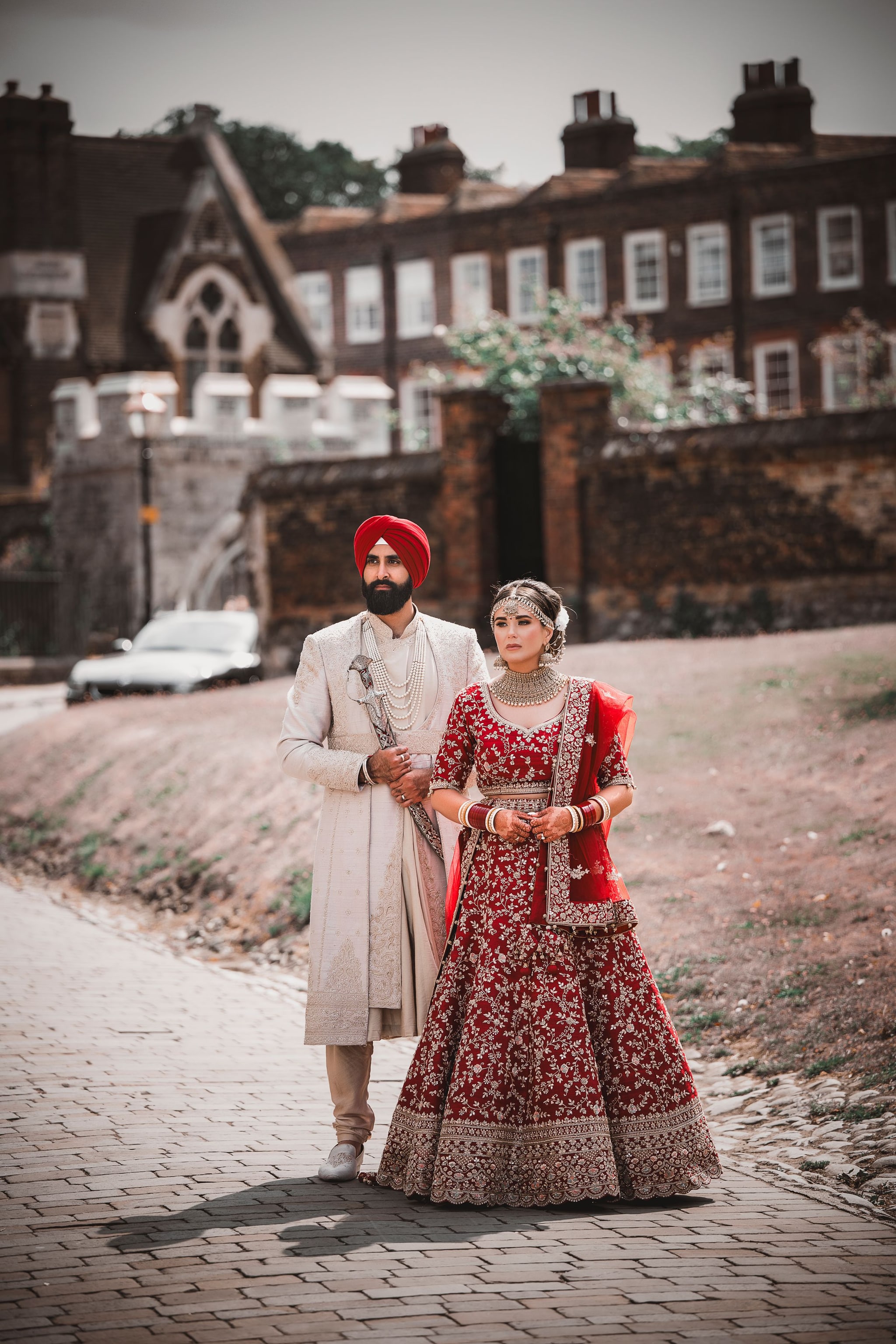
Navjot & jessica
Sikh & Christian & Fusion · Medway Towns Gurdwara
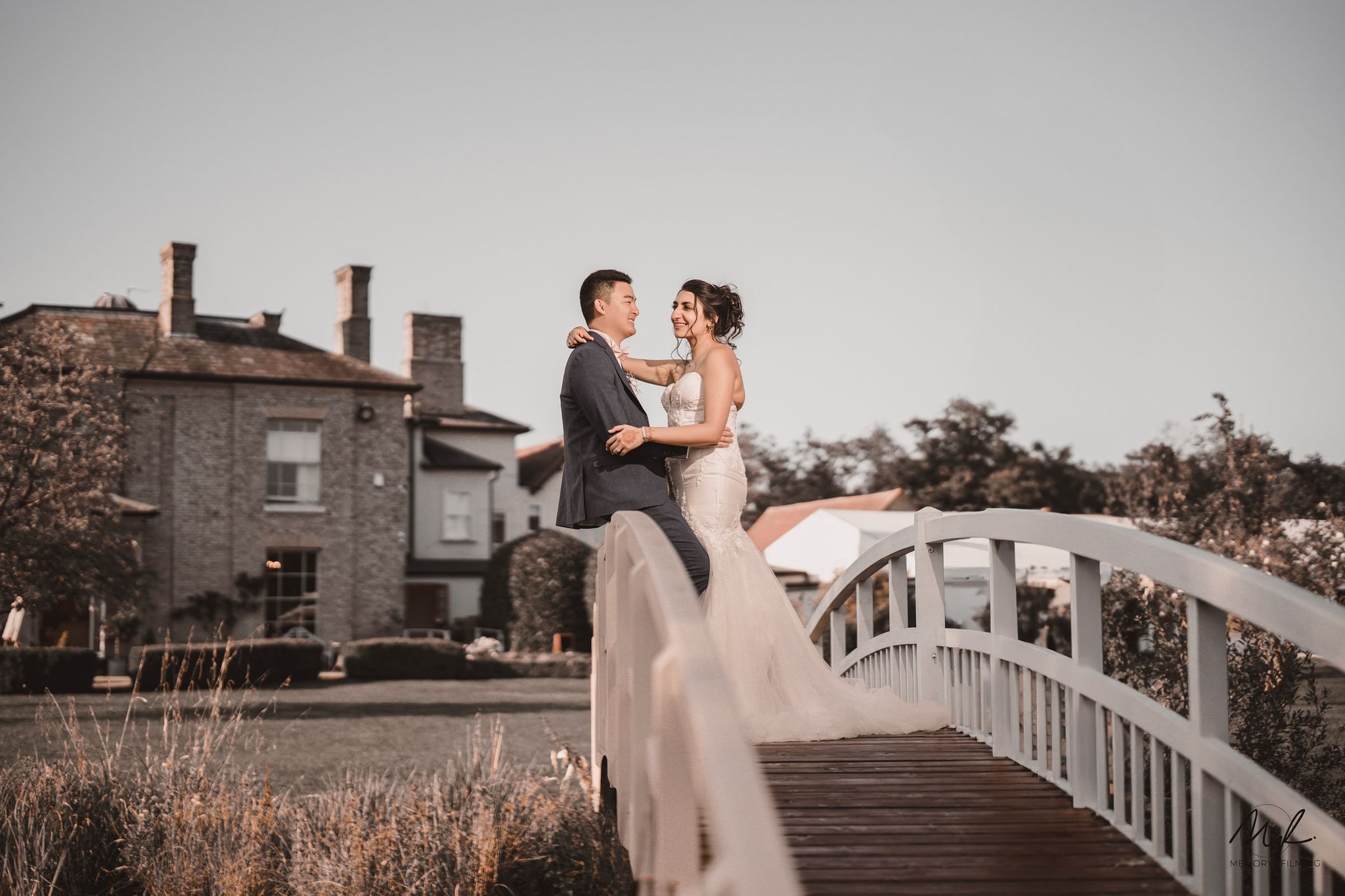
Kuldeep & Andrew
Christian & Sikh & Fusion · Fennes - Wedding Venue in Essex
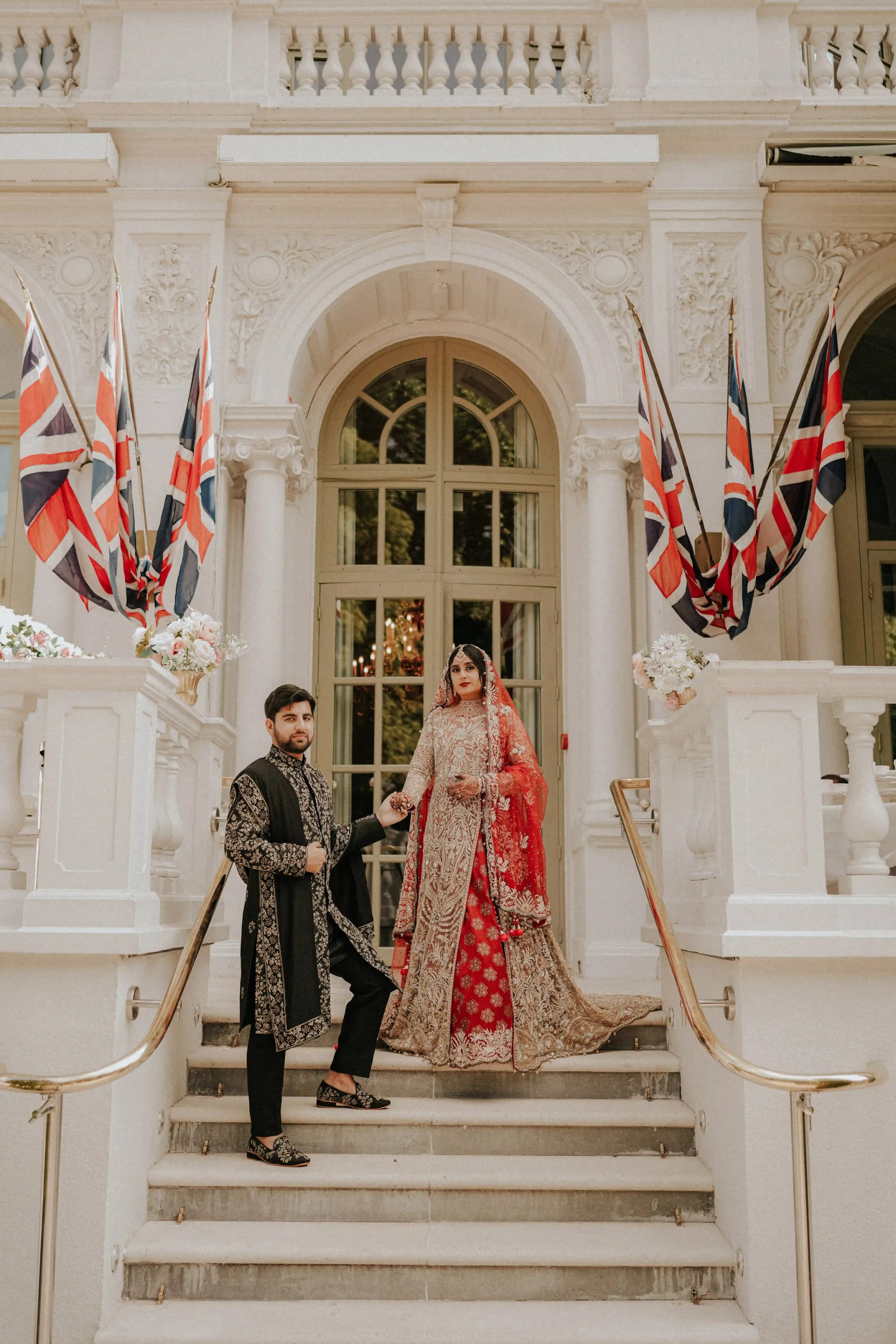
Mehreen & Hasnat
Muslim · Mandarin Oriental Hyde Park
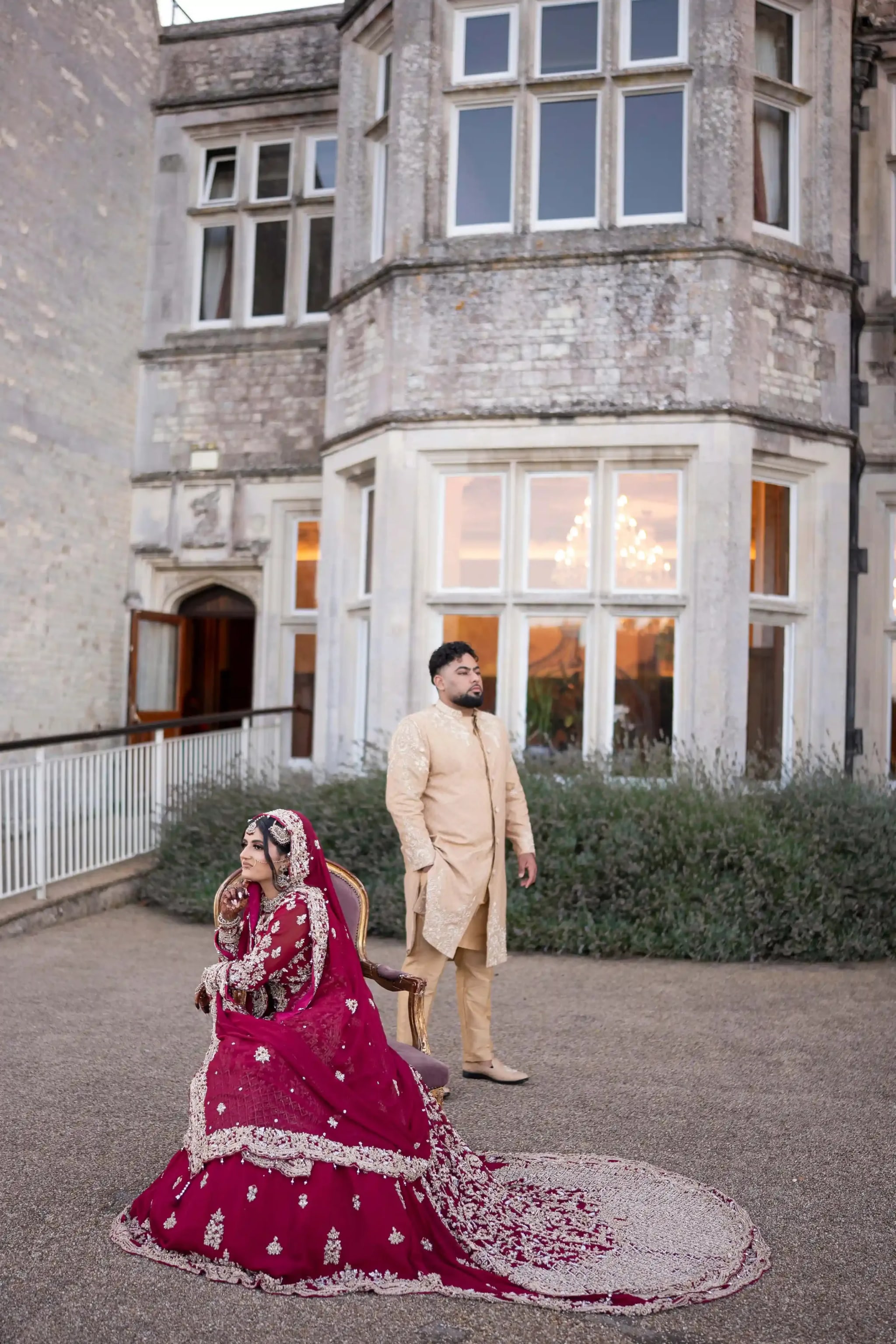
Maliha & Hassan
Muslim · Froyle Park
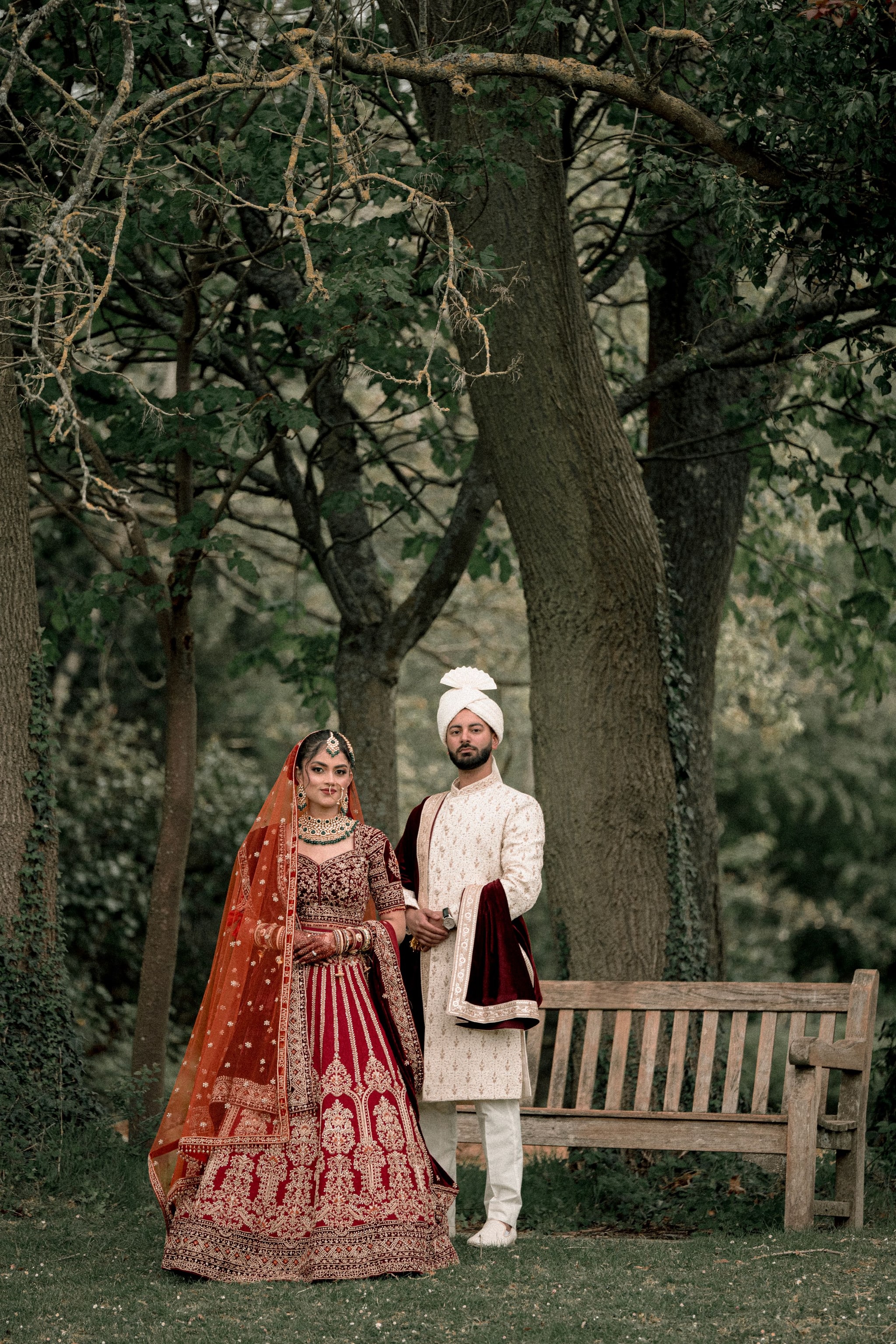
Simran & Sohail
Muslim · London Shenley Club
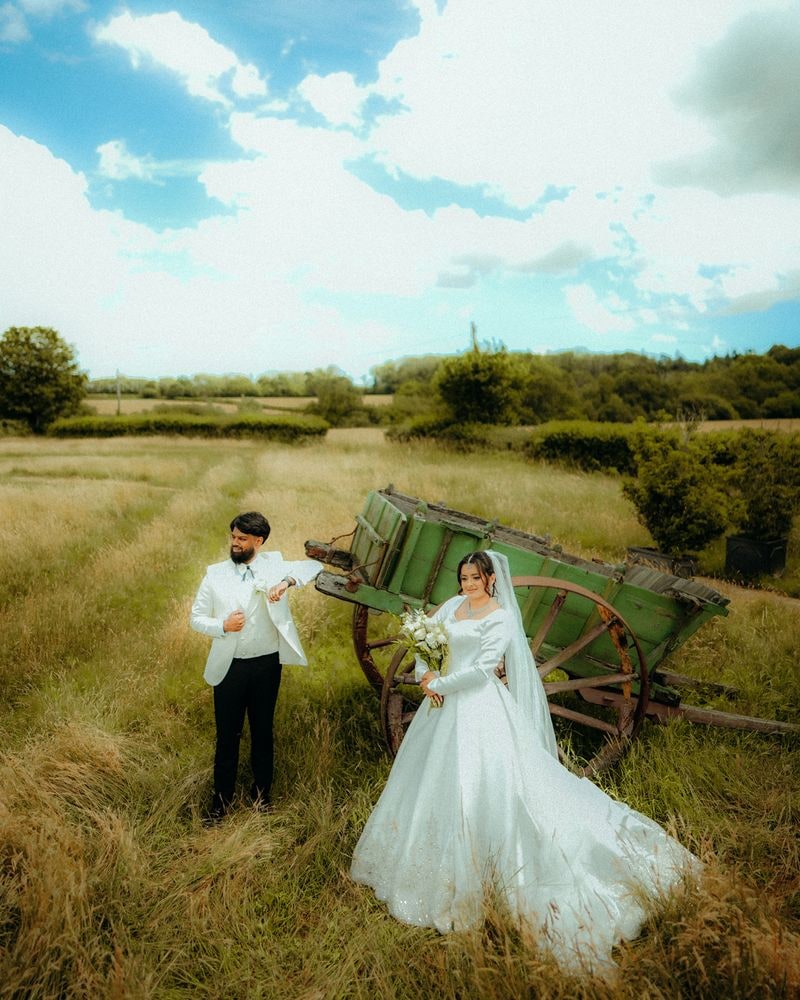
Maidah & Maahi
Christian · Chafford Park
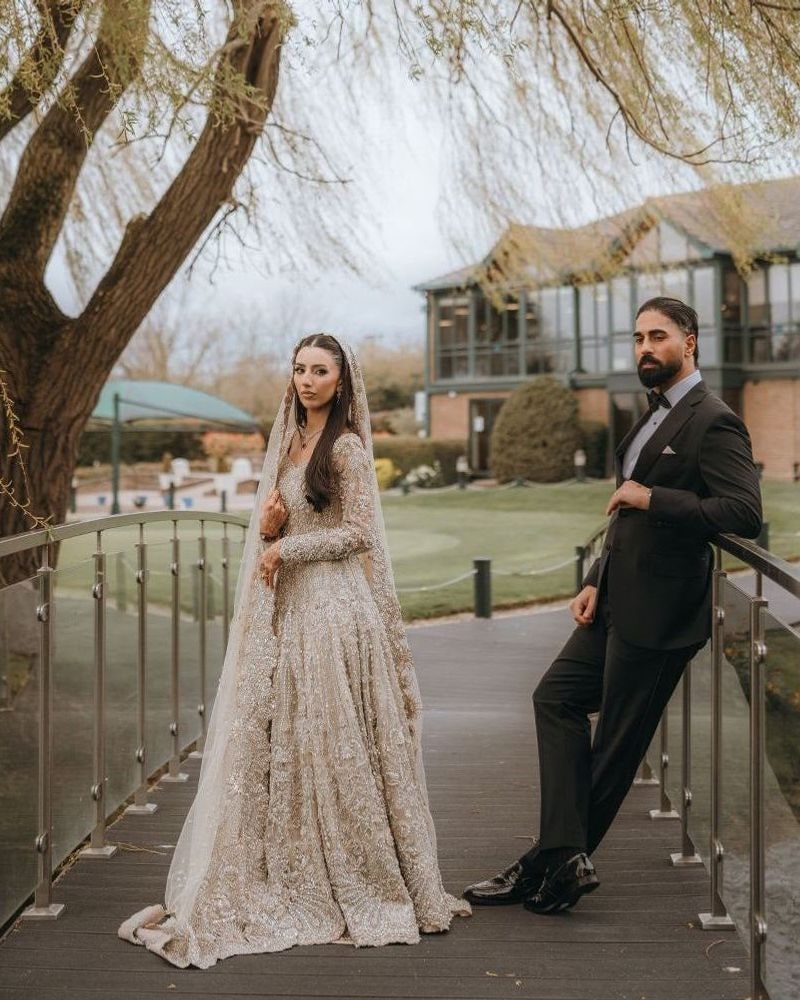
Hussain & Sumbul
Muslim · Three Rivers
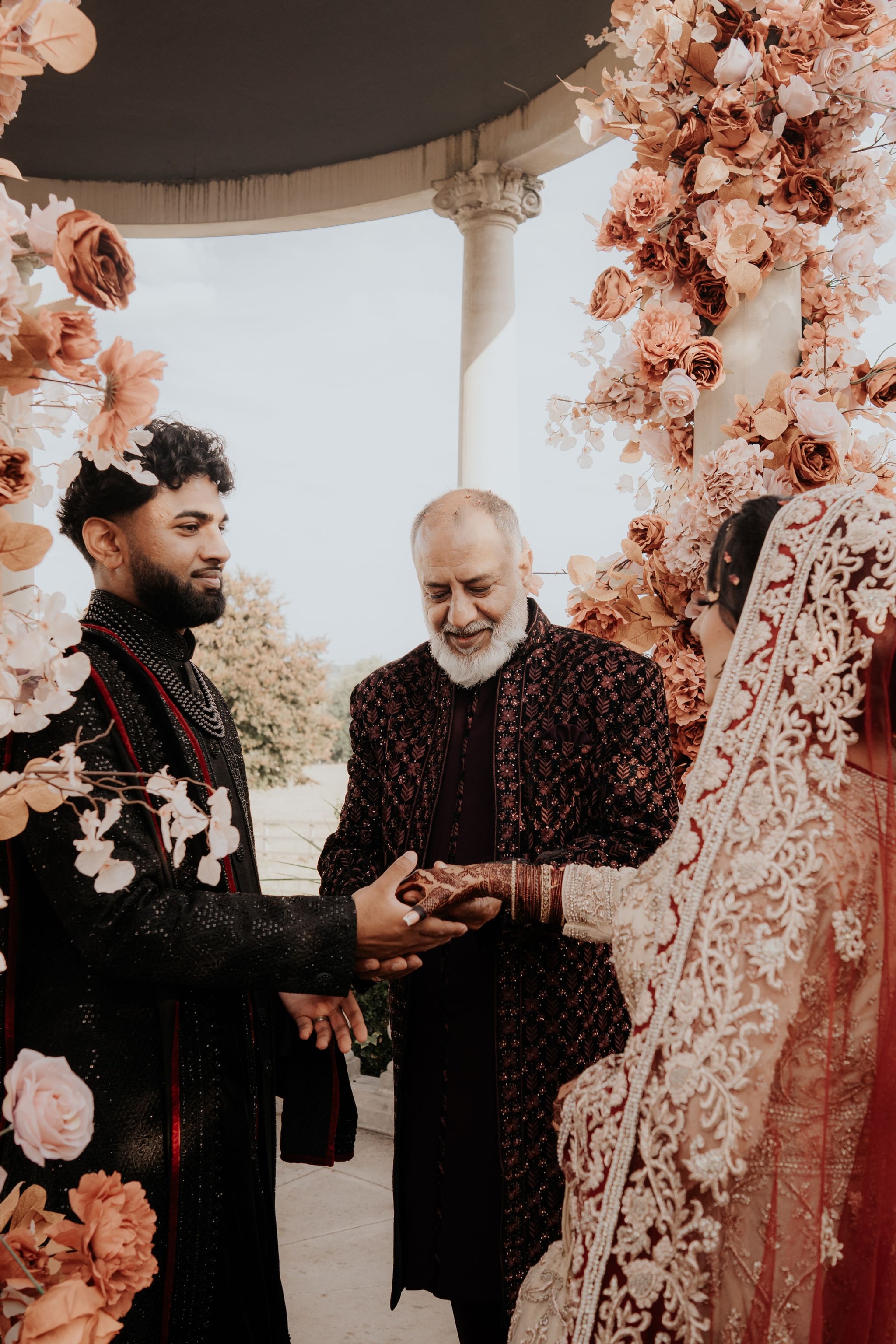
Safa & Usman
Muslim · Froyle Park

Aaron & Sahra
Christian · Hampton Court Palace
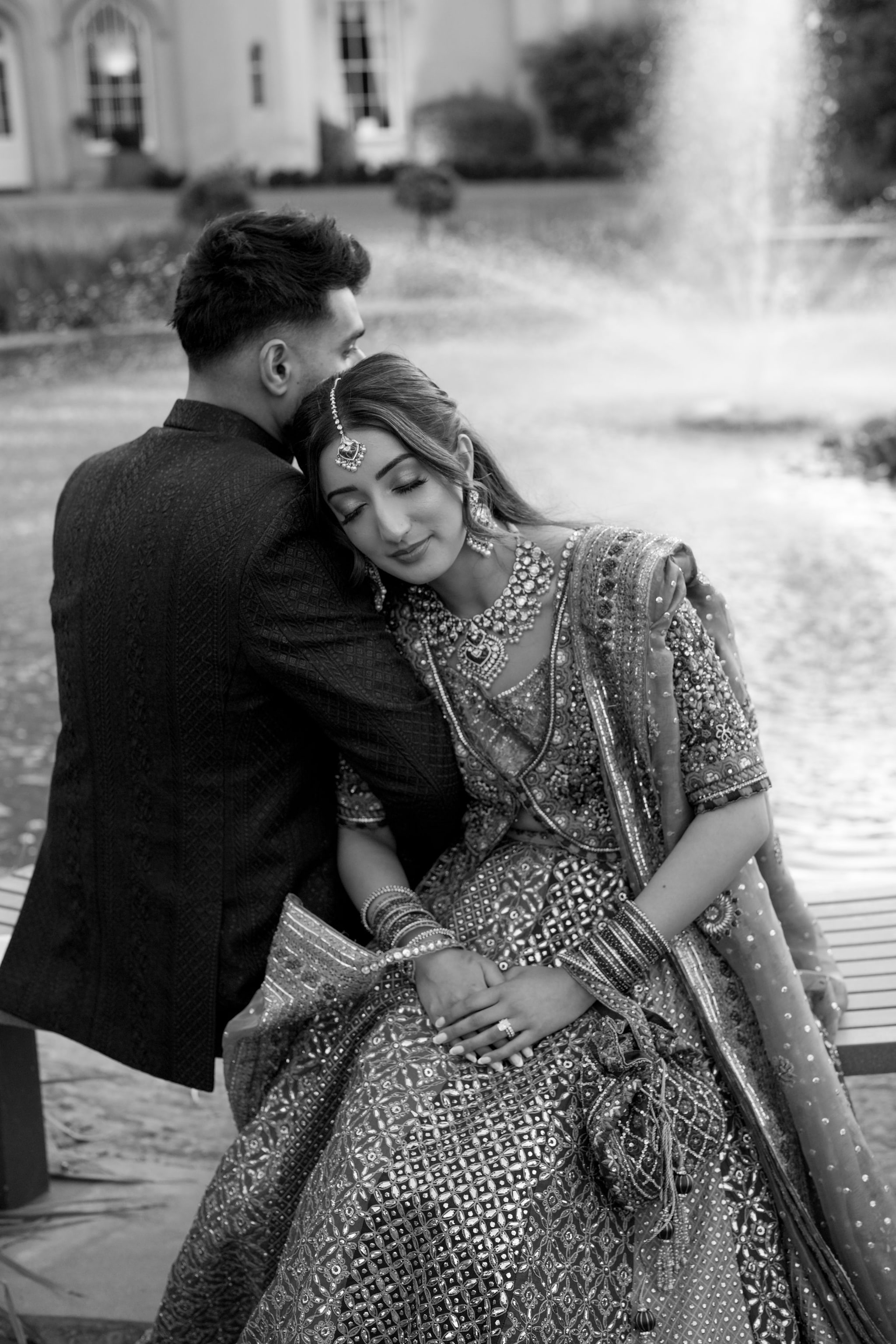
Moazam & Zoya
Muslim · Ditton Manor
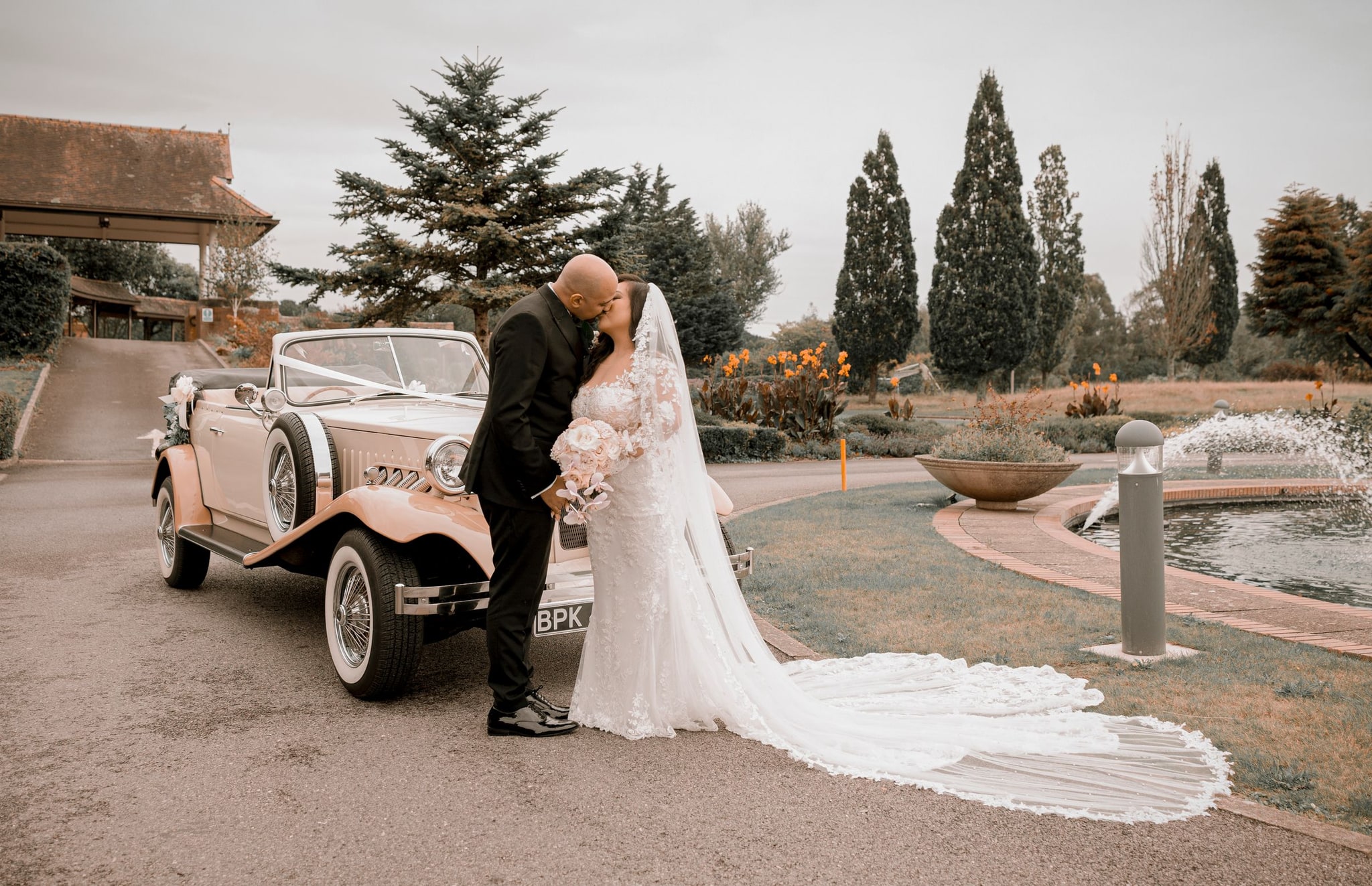
Shadi & Niza
Christian · Brighton, Brighton and Hove
Neither one is the secondary ceremony
Half of what we film now blends two traditions, Muslim and Christian, Sikh and Hindu, an Anand Karaj in the morning and a civil ceremony after lunch.
The failure mode is predictable: two crews who have never met, filming two weddings that do not match, delivered as two videos. One family's ceremony gets the A-team and the other gets whoever was free.
We carry both halves ourselves. That means one crew who know the order of service for both rites, one grade across a daylight church and a fire-lit mandap, and an edit built so the two ceremonies carry equal weight in the finished film.
It also means the logistics are ours, not yours. Two venues, two outfit changes, two timelines and two sets of family expectations get planned in advance, so you are not coordinating your own suppliers on your wedding morning.
What fusion actually demands
The things that go wrong when a crew has only ever filmed one tradition.
- 01
Two orders of service
We know the binding moment in both of your ceremonies, and they are rarely the same kind of moment. That knowledge cannot be improvised on the day.
- 02
One grade across both
A church in daylight and a mandap under fire are completely different looks. The grade is where they become one film instead of a before-and-after.
- 03
Timeline reconciliation
Two ceremonies, sometimes on one day, sometimes across three. Travel, changes and family photographs all have to fit. We build the schedule with you.
- 04
Equal screen time
We structure the edit so both traditions land. It is a deliberate editorial decision, and it is the thing blended families notice first.
- 05
Two sets of etiquette
Gurdwara rules and church rules are different, and both apply on the same weekend. We clear each venue separately.
- 06
Two families
Often meeting properly for the first time. The milni, the introductions and the moments between the families are frequently the best footage of the whole wedding.
Coverage
Fusion coverage is scoped by how many ceremonies and how far apart they sit.
Two ceremonies, one day
- One long day
- Two to three crew
- Both ceremonies plus the reception
- One film across both
Two ceremonies, two days
- Two to three days
- Two to three crew
- Both ceremonies, both receptions
- One feature, both traditions weighted equally
The full blend
- Three to five days
- Three crew
- Pre-wedding events from both traditions plus both ceremonies
- Comprehensive feature, plus per-ceremony cuts for each family
Separate cuts per ceremony are worth asking about. They are what each side of the family tends to share with their own relatives.
We don't publish prices, because no two of these weddings are the same. Tell us the date, the venue and how many events you are running, and we will send an itemised quote with nothing to decode.
Twenty-five years in the room
Why fusion couples book us
We have filmed hundreds of these, from both sides.
Dual fluency, not a specialism plus a guess
We know the key moments in a Nikkah and in a Vivaah Sanskar, in an Anand Karaj and in a church service. We do not treat one tradition as the real wedding and the other as decoration.
We coordinate ourselves
You should not be managing two crews between two venues on your wedding day. One team, one plan, one point of contact, the logistics are our problem.
One narrative, not two halves
A fusion film can easily feel fragmented. The craft is editing it so it reads as one love story told through two traditions. That is a structural decision made before the first cut.
Questions
Before you ask.
Which ceremony should come first?
Usually it is decided by tradition, logistics and the families rather than by us, but we have seen most combinations and we are happy to say what has worked well and what tends to create timing problems.
Our ceremonies are on different days. Is that harder?
No, and often easier. It gives everyone room to breathe and gives each ceremony its own coverage without a scramble in between. We cover however many days it takes.
Should we use two different crews for the two ceremonies?
We would strongly advise against it. Two crews means two styles, two grades and nobody responsible for the film as a whole. One team is the only reliable way to get a single coherent film out of two ceremonies.
Will both traditions feel equal in the final film?
Yes, and it is deliberate. We structure the edit so neither ceremony reads as the supporting act, which is the single most common complaint blended families have about their wedding films.
Can we have a separate cut for each side of the family?
Yes, and many couples do. A full fusion feature plus a per-ceremony cut means each family has something that centres their tradition to share with their own relatives.
Our families don't entirely agree about the fusion.
That is more common than you would think, and it is not something we would ever comment on. Our job is to document your day as it actually happens, treat everyone in the room with respect, and give you a film that reflects the wedding you chose to have.
Can the pre-wedding shoot include both traditions?
Absolutely, outfits from both, or a location that means something to each side. It is a good way to introduce your blended identity before the ceremonies, and it makes lovely stationery.
4 awards for our work, including from Pakistan Achievement Awards International. Rated 5 out of 5 from 18 reviews on Bridebook. See them.
Enquire
Is your datestill free?
Tell us the date and the venue and we will come back within one working day with availability, a crew size and a straight price.