
One team. Both cameras.
Asian Wedding Photography and Videography London
Photographers and film crews who have worked together for years, positioned as one unit to capture every detail of your wedding.
12 weddings
See the full portfolio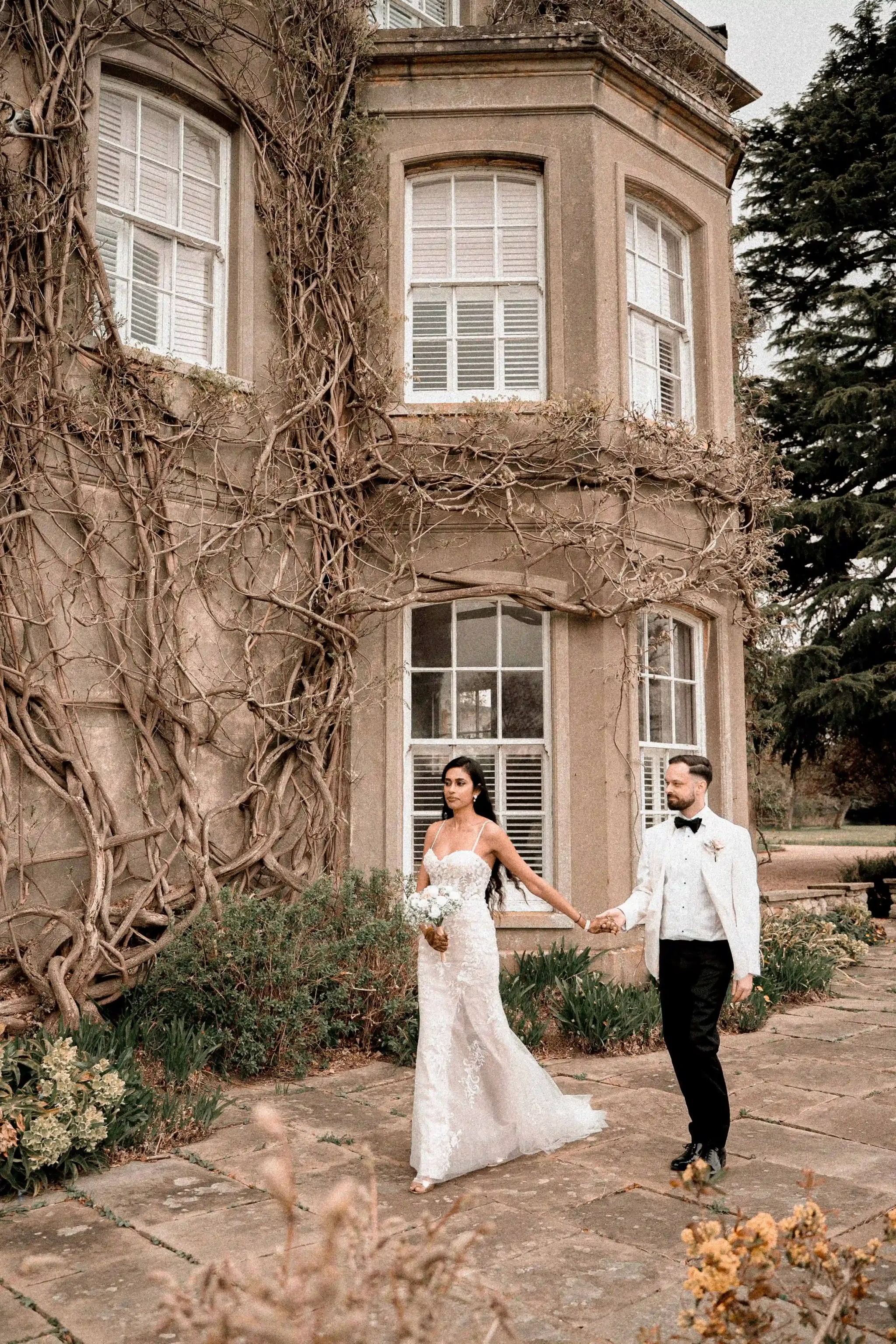
Sonam & Andrew
Hindu & Christian & Fusion · Northbrook Park
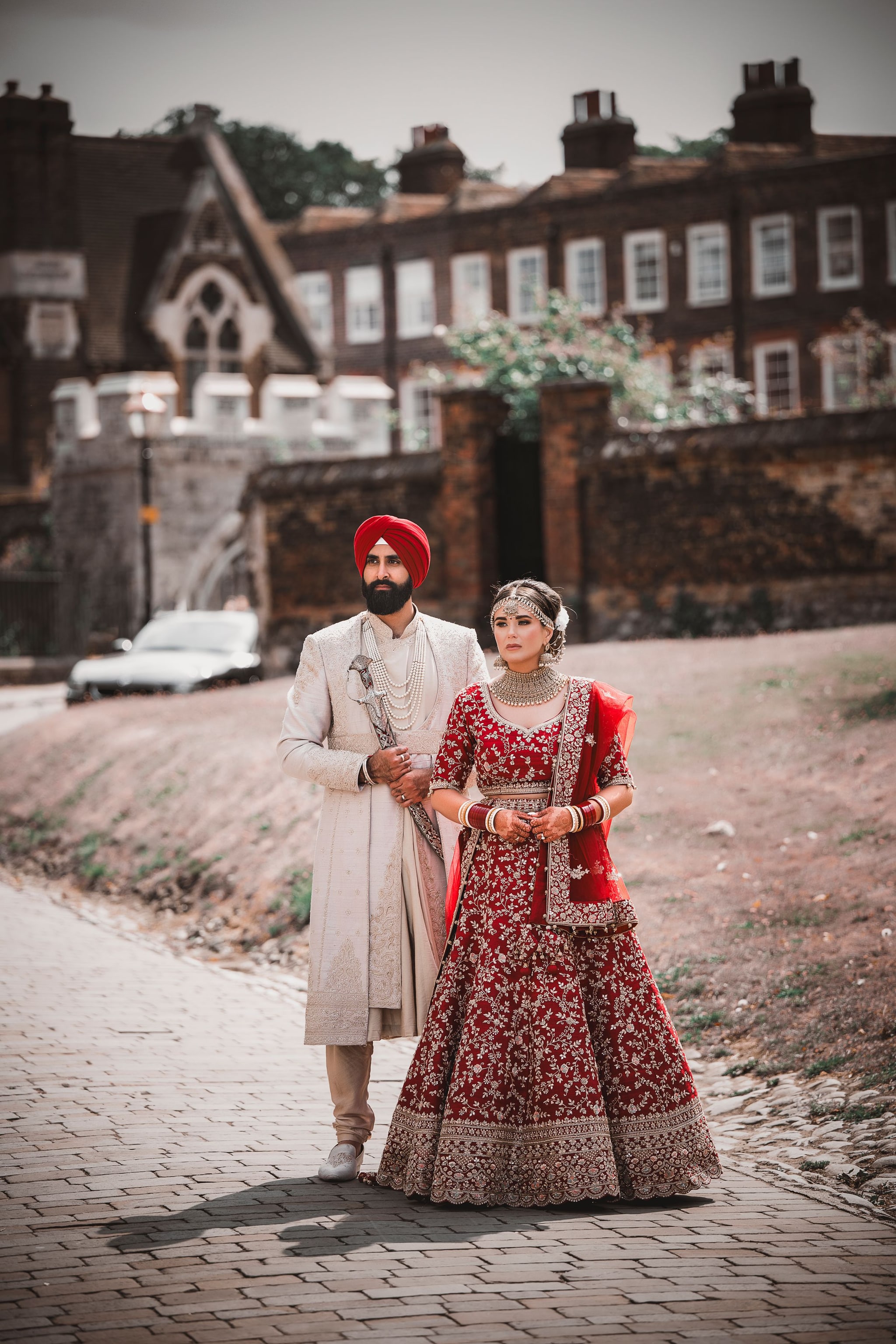
Navjot & jessica
Sikh & Christian & Fusion · Medway Towns Gurdwara
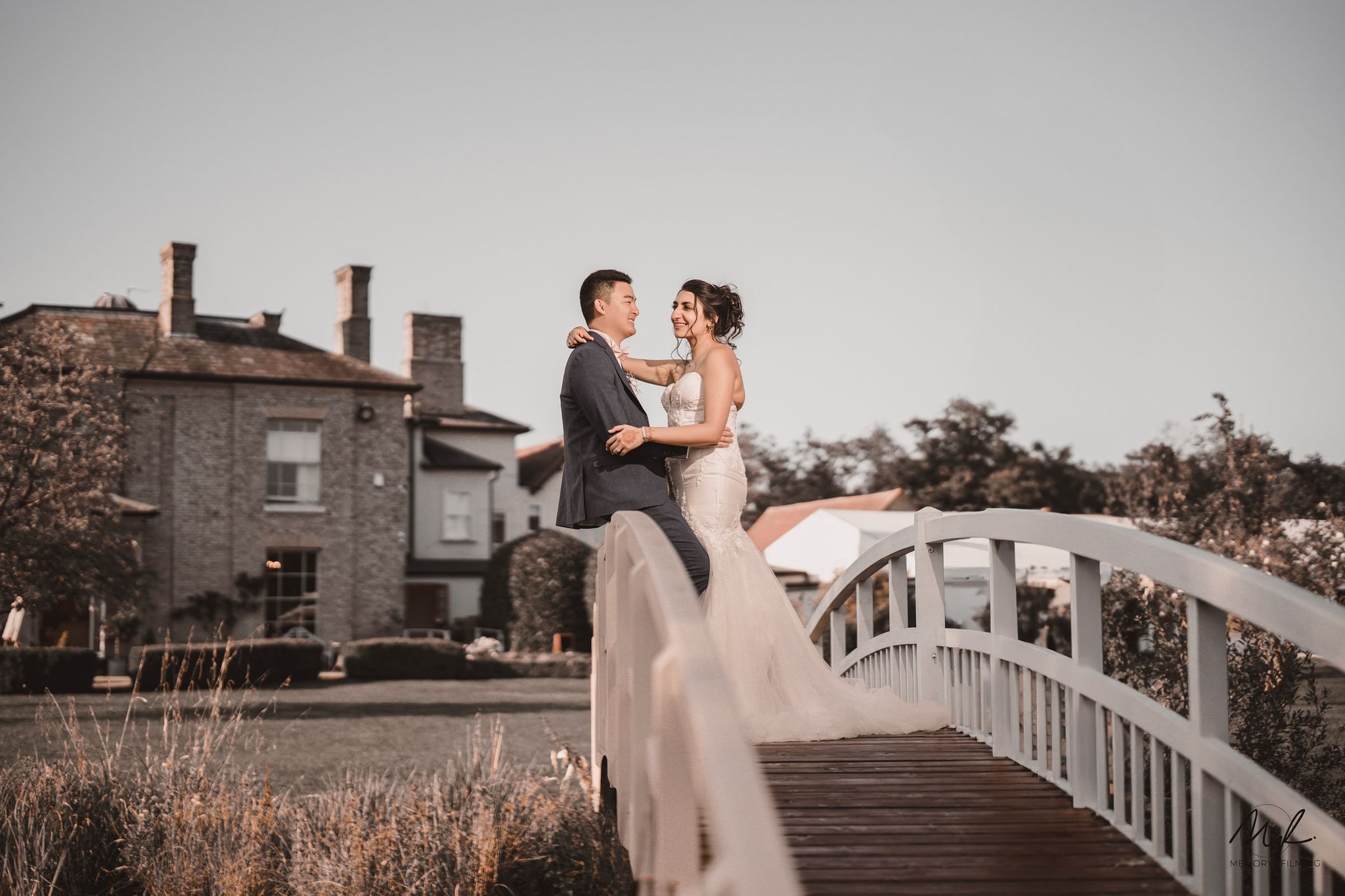
Kuldeep & Andrew
Christian & Sikh & Fusion · Fennes - Wedding Venue in Essex
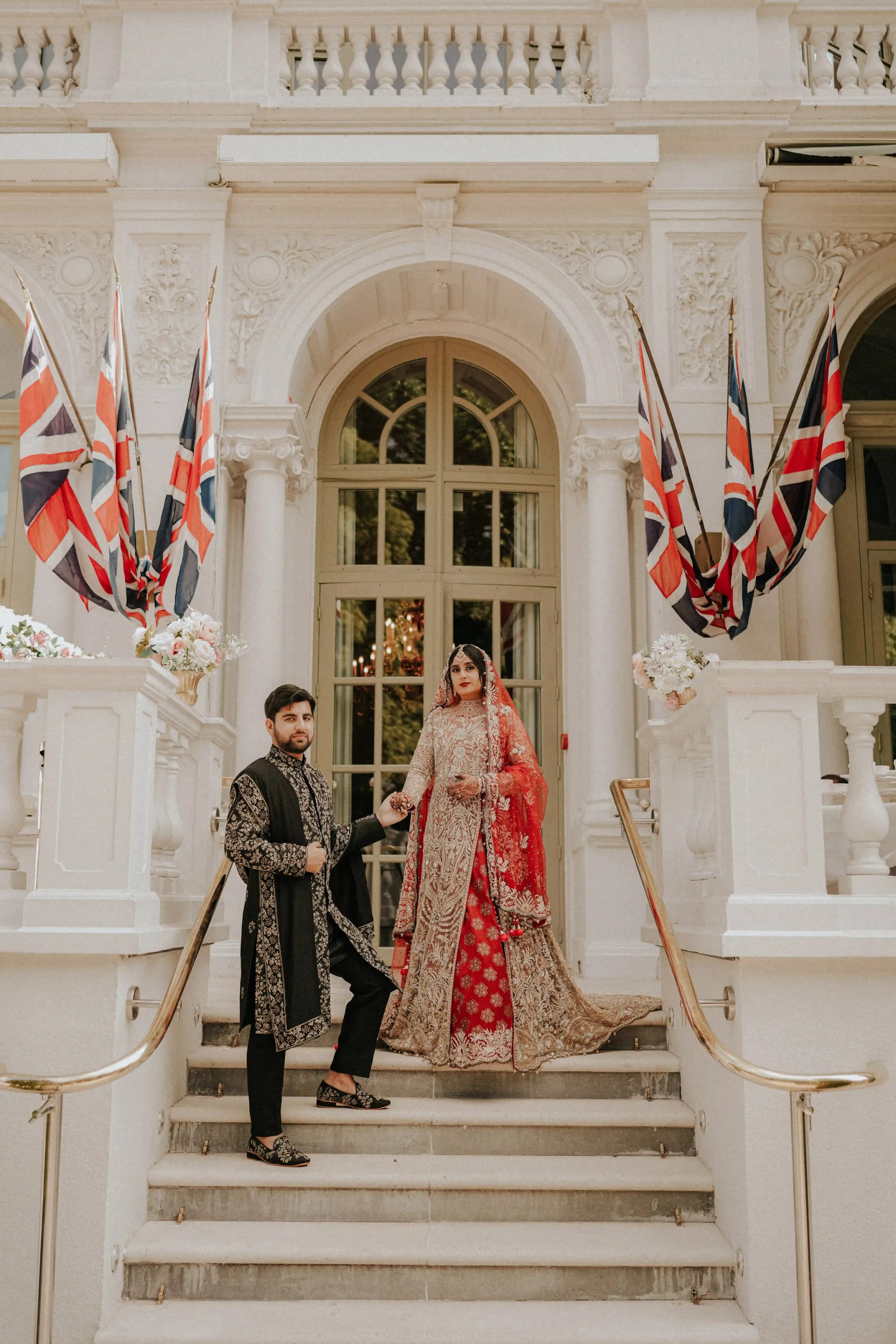
Mehreen & Hasnat
Muslim · Mandarin Oriental Hyde Park
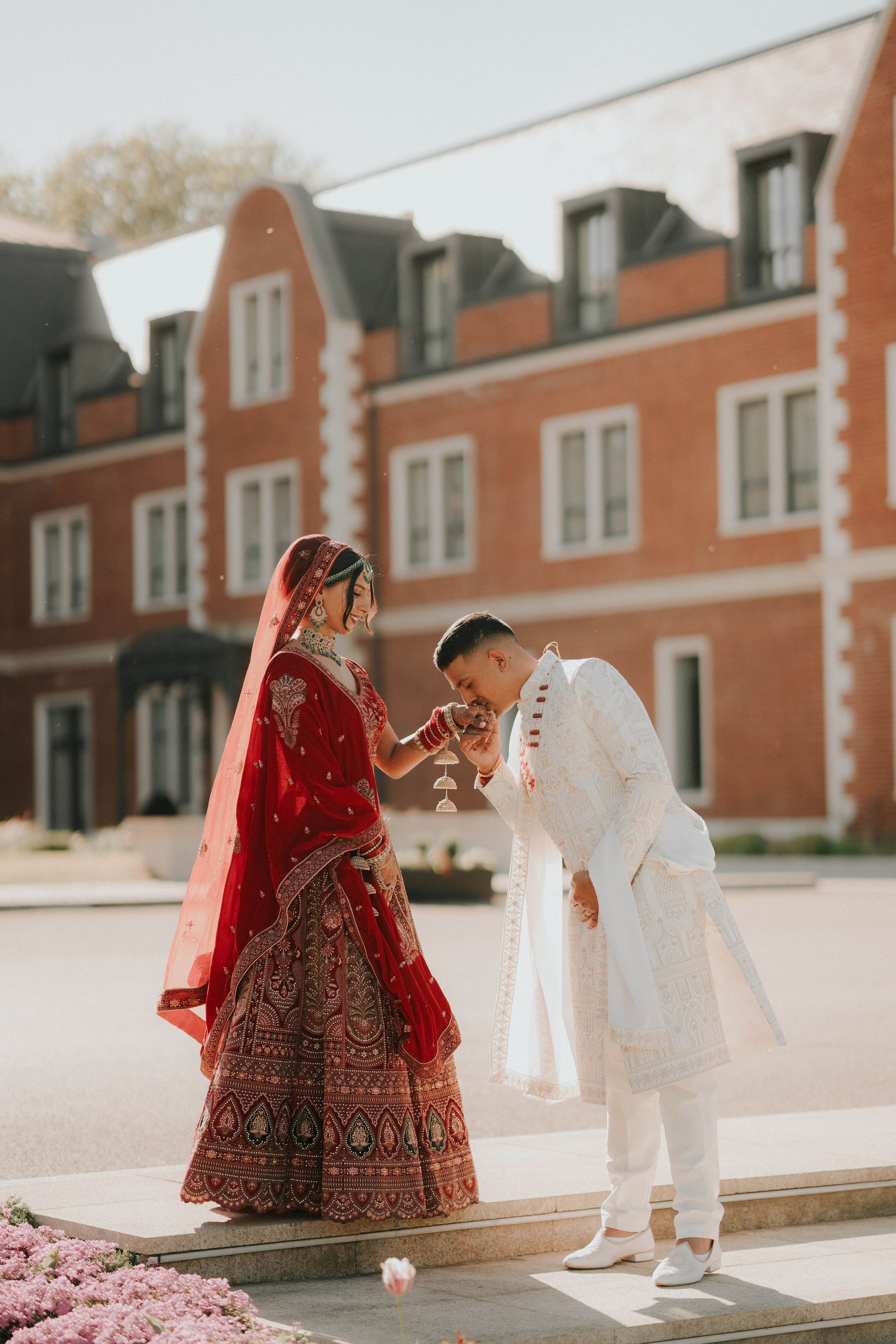
Tanuj & Tanisha
Hindu · Radisson Blu Hotel
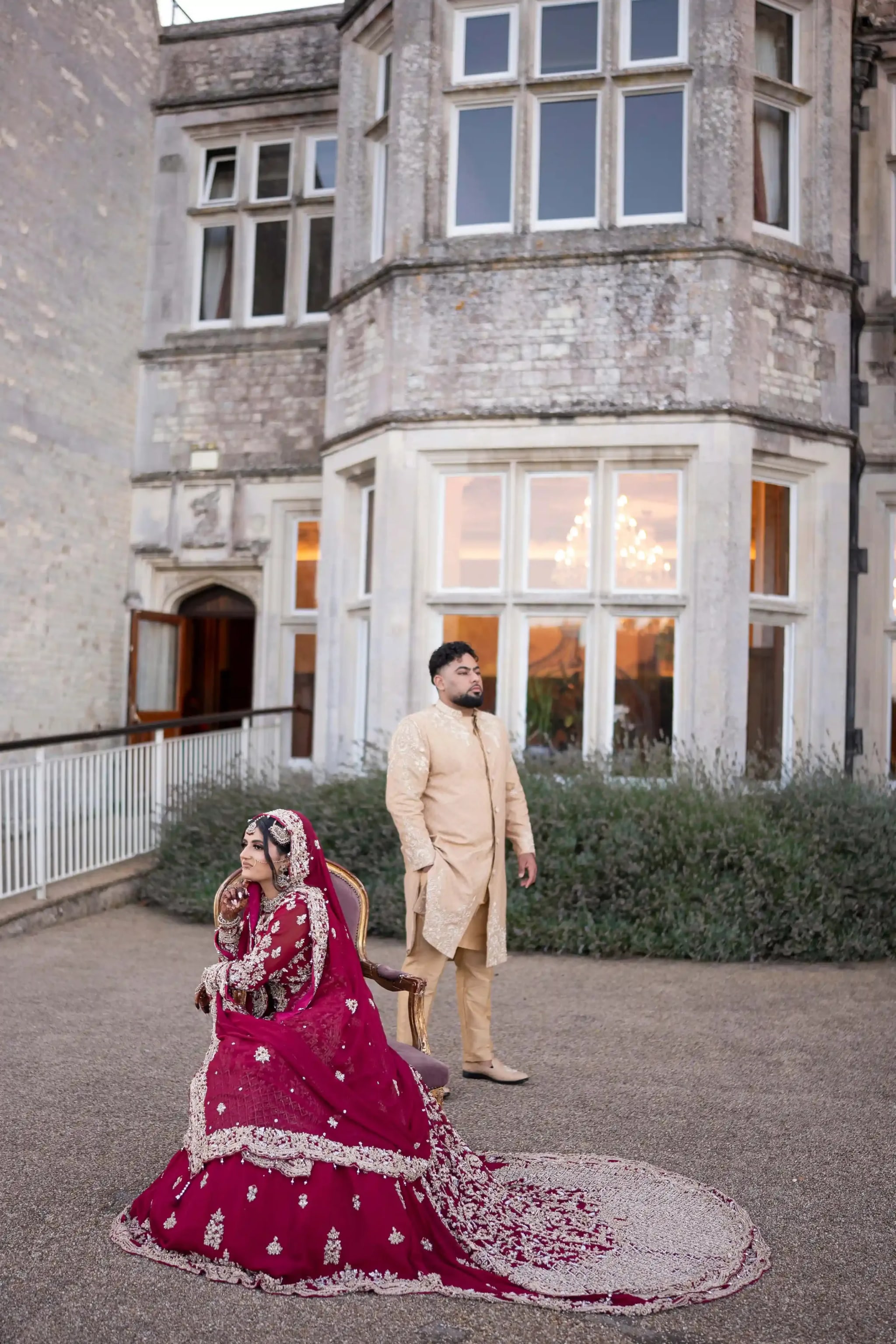
Maliha & Hassan
Muslim · Froyle Park
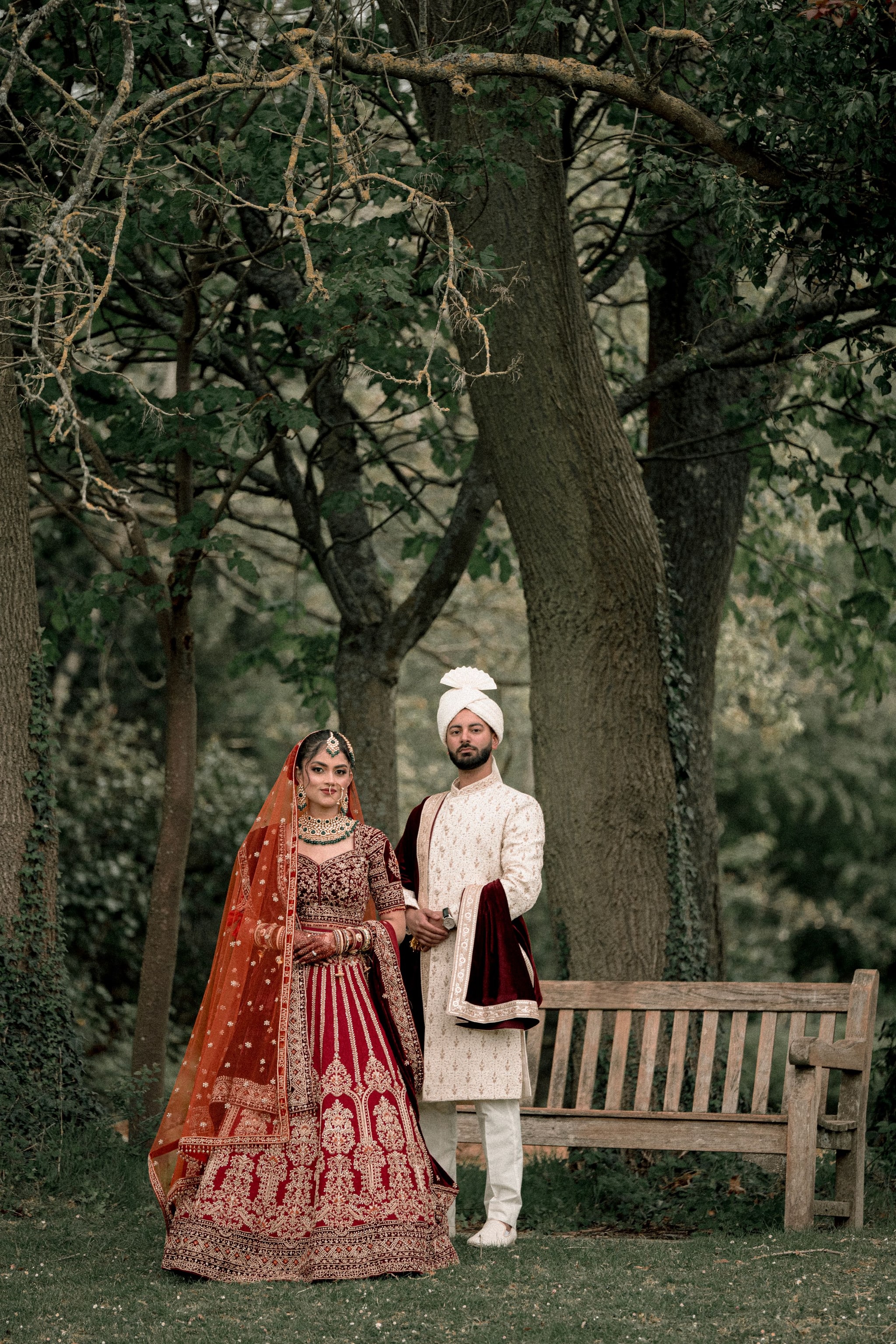
Simran & Sohail
Muslim · London Shenley Club
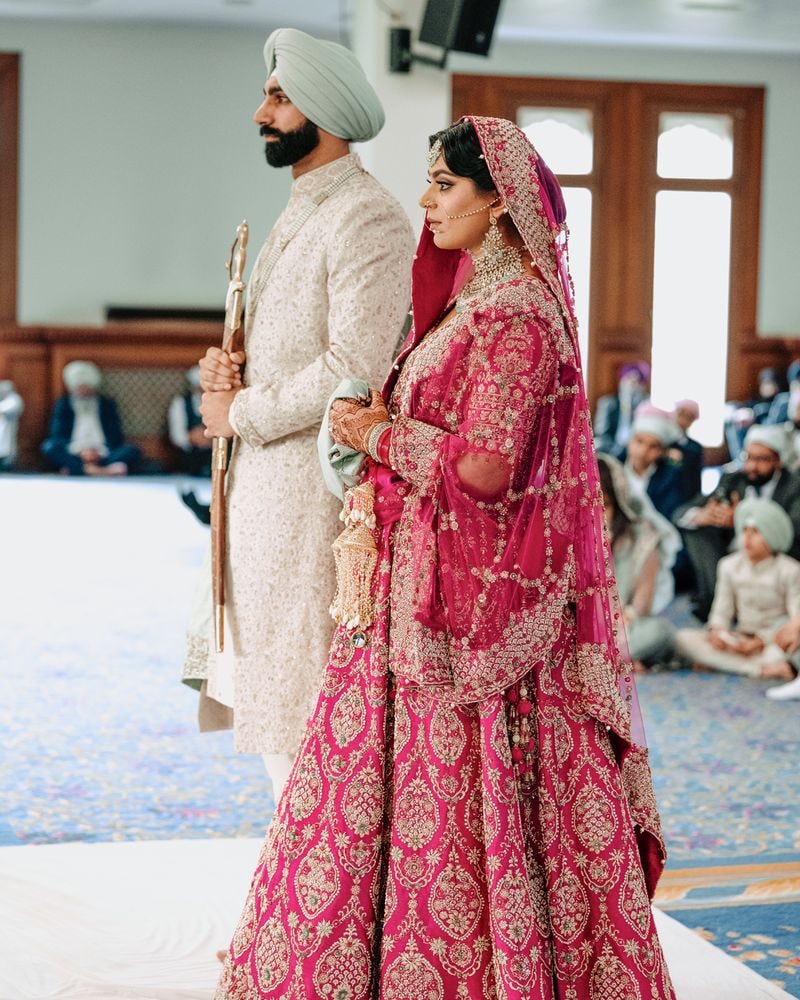
Dilpreet and Manveer
Sikh · Sri Guru Nanak Darbar Gurdwara
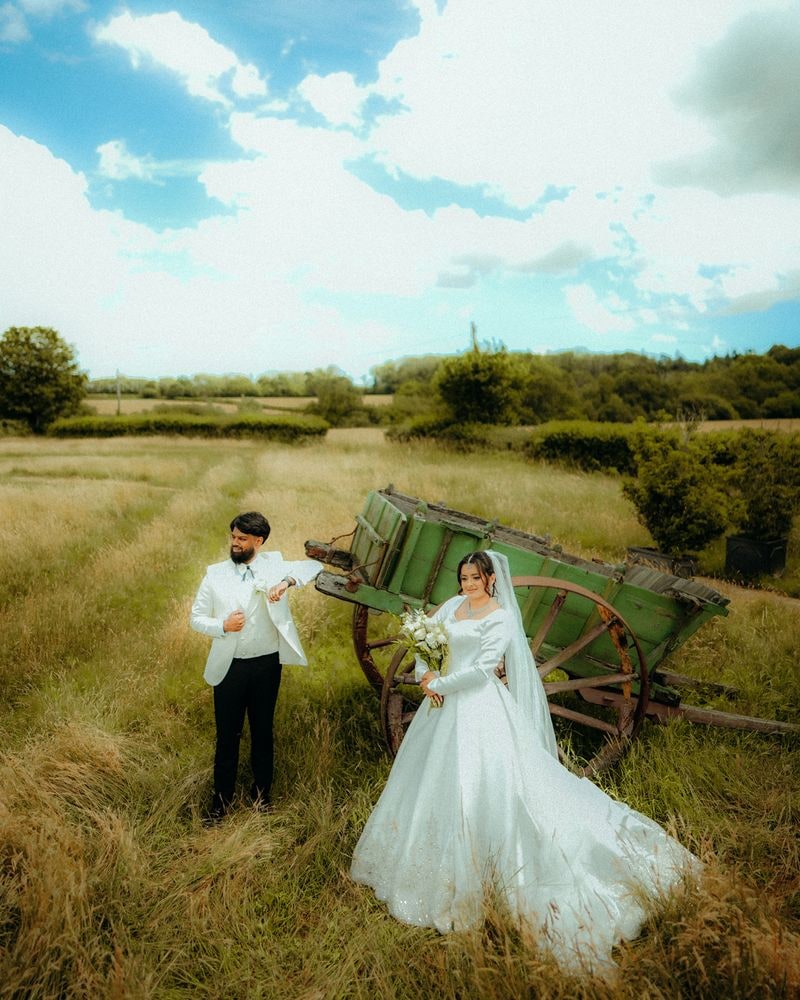
Maidah & Maahi
Christian · Chafford Park
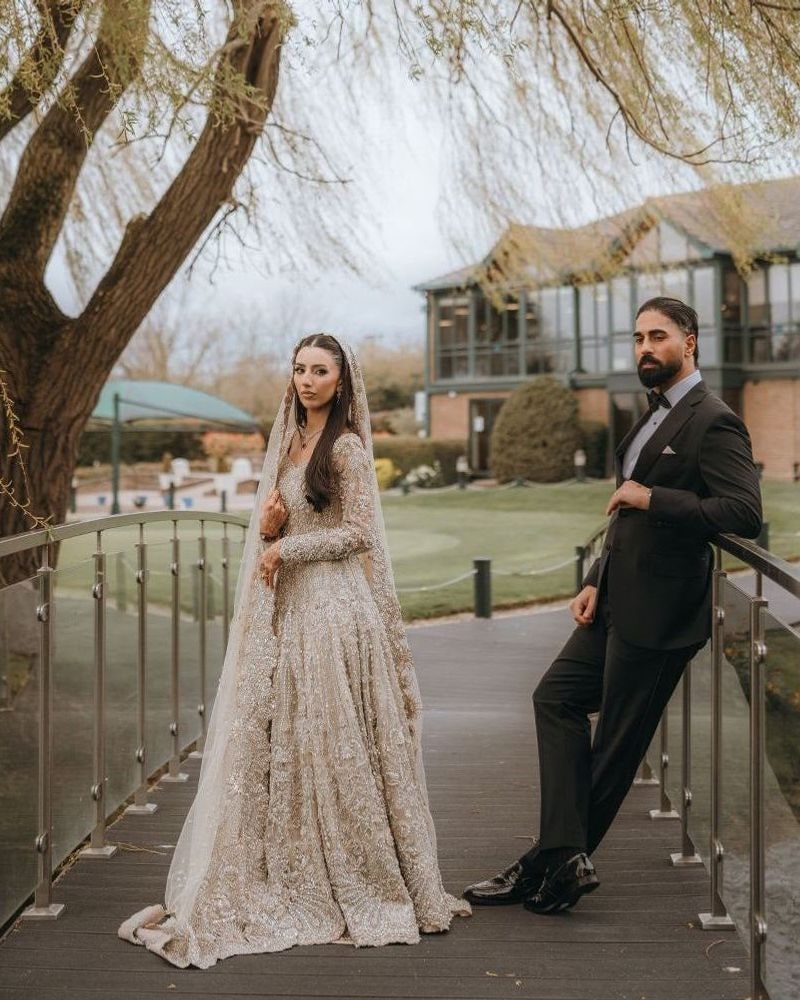
Hussain & Sumbul
Muslim · Three Rivers
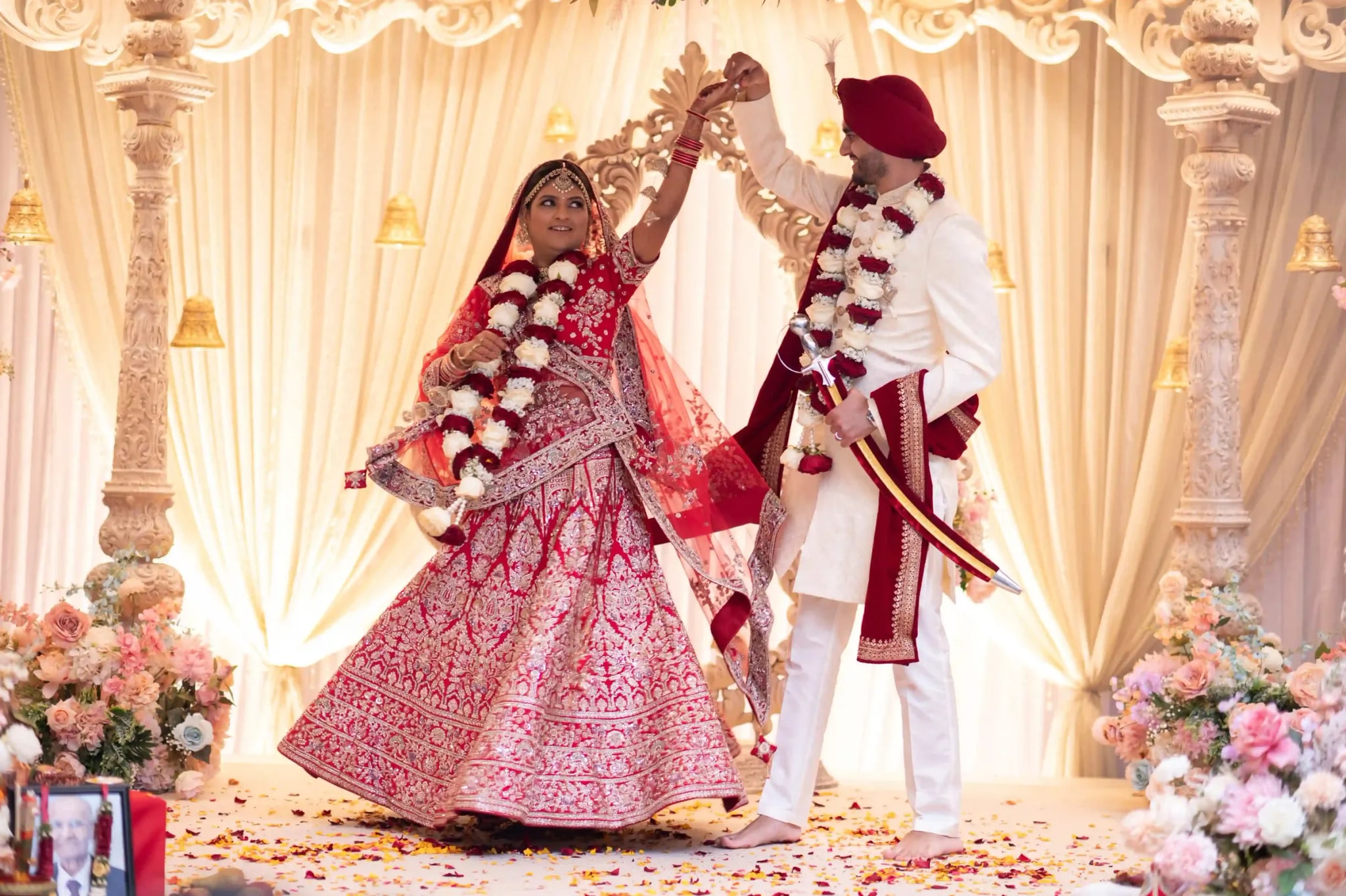
Sonal & Pavan
Hindu · Syon Park
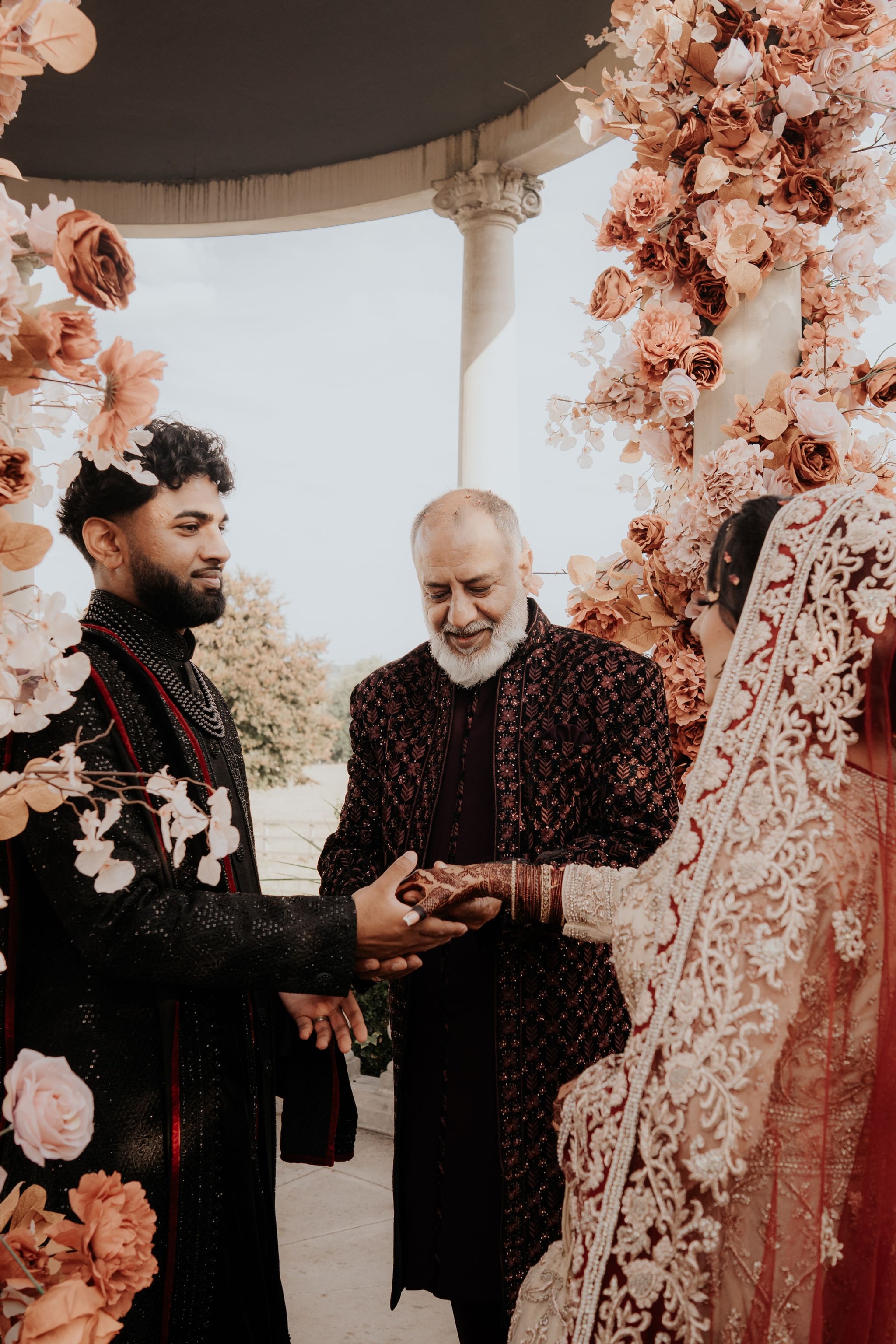
Safa & Usman
Muslim · Froyle Park
Why booking both from one studio matters
Two suppliers who have never met will spend your wedding negotiating floor space, usually in whispers, usually behind you.
It is the single most common thing that goes wrong when photography and film are booked separately. Both need the aisle. Both need the front of the mandap. Both need the three seconds when the bride first appears. Neither has agreed with the other who takes it, so one of them gets it and the other gets a shoulder.
We have worked as one unit for years, which means positions are settled weeks before the day, not muttered at the threshold on the morning. The photographer knows where the second camera is. The film crew knows when the shutter is about to fire and stays out of the frame. You get both records of the same moment, from angles that were chosen rather than fought over.
There is a second reason, less obvious and more important six months later. The stills and the film are graded to match. Booked apart, you end up with an album in one colour world and a film in another, both of the same afternoon, looking like different weddings.
How the two crews split a day
Neither discipline is the other's assistant. They cover the same day with different jobs.
- 01
Getting ready, two rooms
Both sides need covering at once, and they are rarely in the same building. Splitting a combined team is straightforward; splitting two separate suppliers means four vehicles and four sets of directions.
- 02
The arrival
The Baraat, the welcome at the door, the first sight of each other. Film holds the movement and the sound of it. Photography holds the faces of the people watching. Same minute, two records, no collision.
- 03
The binding moments
The Ijab-Qabul, the laavan, the Saptapadi, the thali. Positions agreed in advance with each other and with whoever runs the room, because these happen once and cannot be repeated for a camera.
- 04
Portraits without the queue
One session, both cameras, one set of instructions to follow. Couples routinely lose an hour of their own reception to doing portraits twice.
- 05
Speeches and the first dance
Film runs continuously with proper audio from the microphone rather than from the back of the room. Photography works the reactions, which is the half nobody remembers to ask for.
- 06
One grade, one delivery
Stills and film finished together on the same monitor, so the album and the wedding film look like they belong to the same day, because they do.
Coverage
What the combined team looks like depends on how many events you are running and how many rooms need a camera at the same time.
One day, both cameras
- Around ten hours
- One photographer, one filmmaker
- Edited images and a wedding film
- Matched grade across both
- Digital delivery
Full day, both cameras
- Around fourteen hours, getting ready to the dancefloor
- Two photographers, two filmmakers
- Both sides covered simultaneously
- Album and feature film
- Documentary edit as well as the highlights
Multi-event
- Mehndi, Haldi, Sangeet, the day itself, the reception
- Crew scaled per event
- One continuous record across every function
- One team who already know your family by the last one
We don't publish prices, because no two of these weddings are the same. Tell us the date, the venue and how many events you are running, and we will send an itemised quote with nothing to decode.
Twenty-five years in the room
What couples say about booking both
The complaint we hear most often is about the wedding before ours.
Nobody was in anybody's way
The most frequent piece of feedback on a combined booking, and the most frequent complaint about a split one. Guests notice two crews circling each other far more than they notice one that has agreed a plan.
The album and the film match
Same colour, same treatment, same hand. Two suppliers cannot deliver this because neither sees the other's footage before it goes out.
One conversation, not two
One timeline, one set of questions about your ceremony, one point of contact when the venue changes the schedule three days out.
How it works
- 01First
We talk
Which events, how many rooms, which traditions, and what your family expects from the day. That conversation determines the crew, not a package.
- 02Weeks before
Positions agreed
Both crews walk the plan together, and we clear positioning with the venue, the Granthi, the Imam or the Pandit before the day rather than on it.
- 03On the day
One unit
Two disciplines, one plan, and enough people that nothing is being covered by somebody who is also meant to be somewhere else.
- 04After
Finished together
Stills and film graded side by side so they read as one body of work.
Questions
Before you ask.
Is booking both really better than choosing the best of each separately?
If you find a photographer and a film crew who have worked together many times, that is just as good, and we would tell you to book them. The problem is not two suppliers, it is two strangers. Ask any pair you are considering how many weddings they have covered together. If the answer is none, you are the rehearsal.
Do you charge less for booking both?
A combined booking is more efficient for us than two separate ones, and that is reflected in what we quote. We do not publish figures because what a wedding needs varies enormously by how many events you are running. Tell us the shape of your day and we will tell you what it takes.
Can we book photography now and add film later?
Yes, as long as the date is still open for the film crew. Adding it later is common. Adding it in the final month is harder, because the second crew has to be free and the planning window has gone.
Will there be too many people with cameras?
This is the right question, and it is why the crew is sized to the day rather than sold as a package. A single-room Nikkah does not need six people in it. A three-day wedding across two cities does.
4 awards for our work, including from Pakistan Achievement Awards International. Rated 5 out of 5 from 18 reviews on Bridebook. See them.
Enquire
Is your datestill free?
Tell us the date and the venue and we will come back within one working day with availability, a crew size and a straight price.