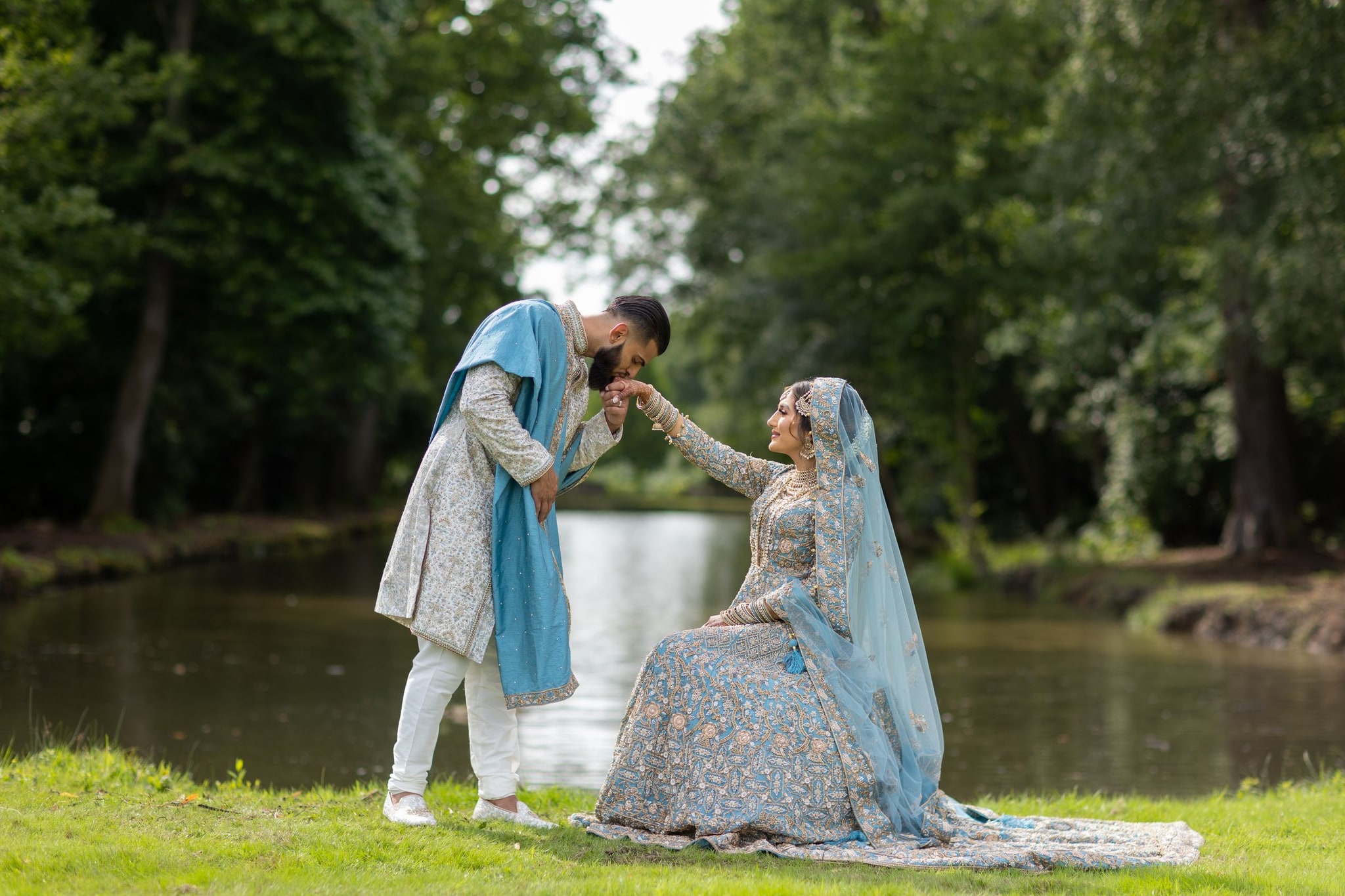
The dance floor is not a break in the wedding. It's the wedding.
Gujarati Wedding Photographer & Videographer London
Pithi, Garba, Mandap Muhurat and the Hasta Melap, covered by a crew that has never once tried to sit down during a Sangeet night.
12 weddings
See the full portfolio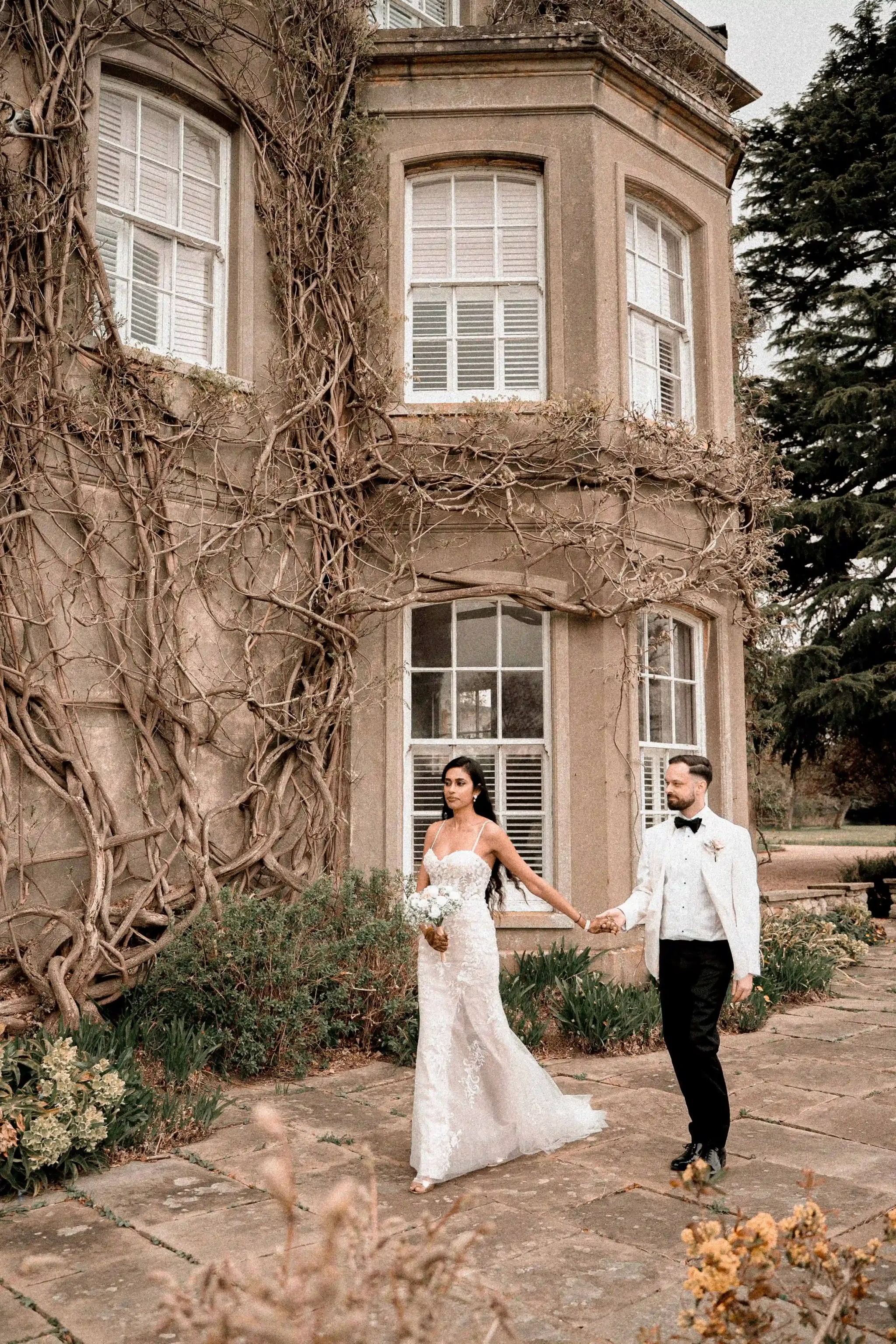
Sonam & Andrew
Hindu & Christian & Fusion · Northbrook Park
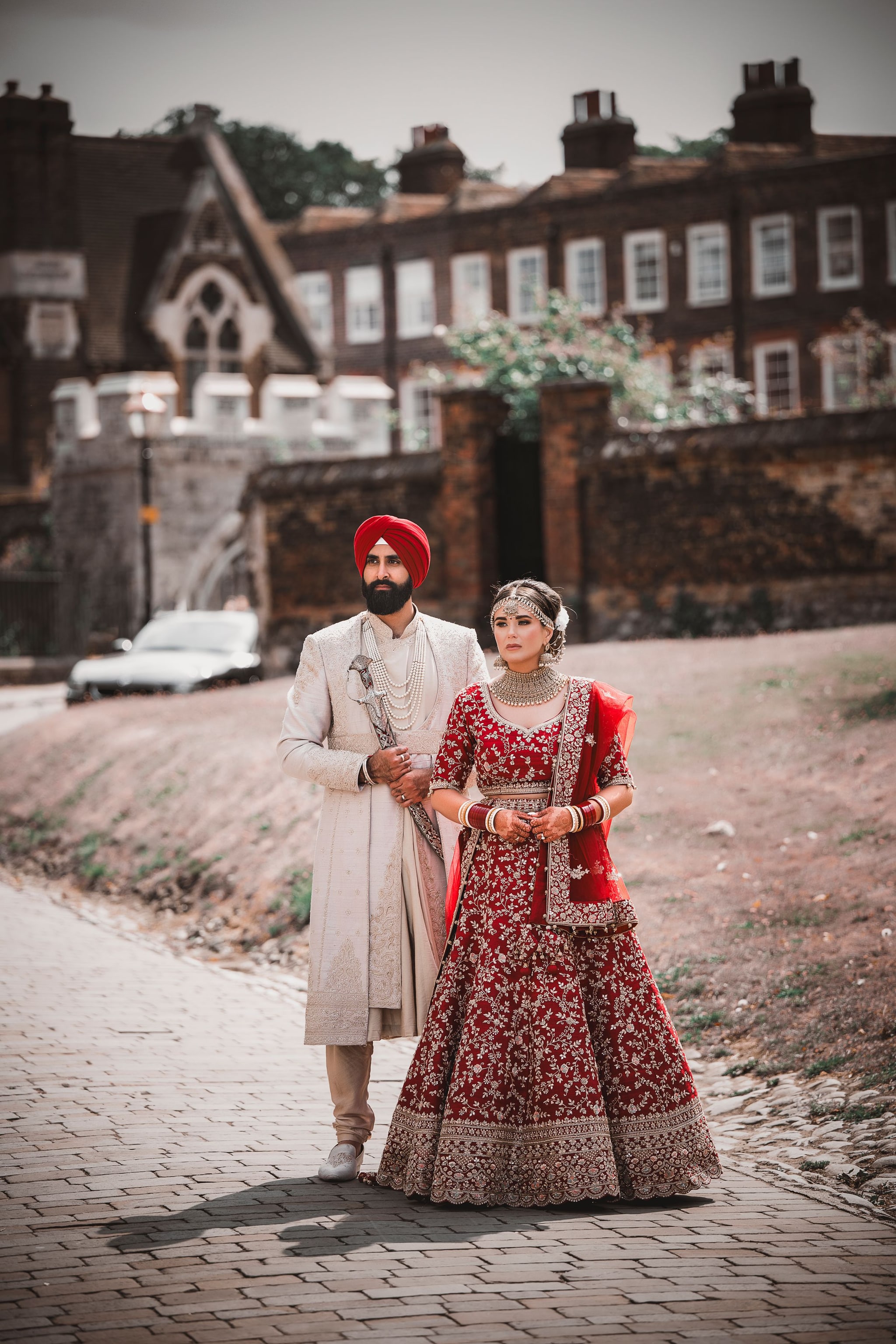
Navjot & jessica
Sikh & Christian & Fusion · Medway Towns Gurdwara
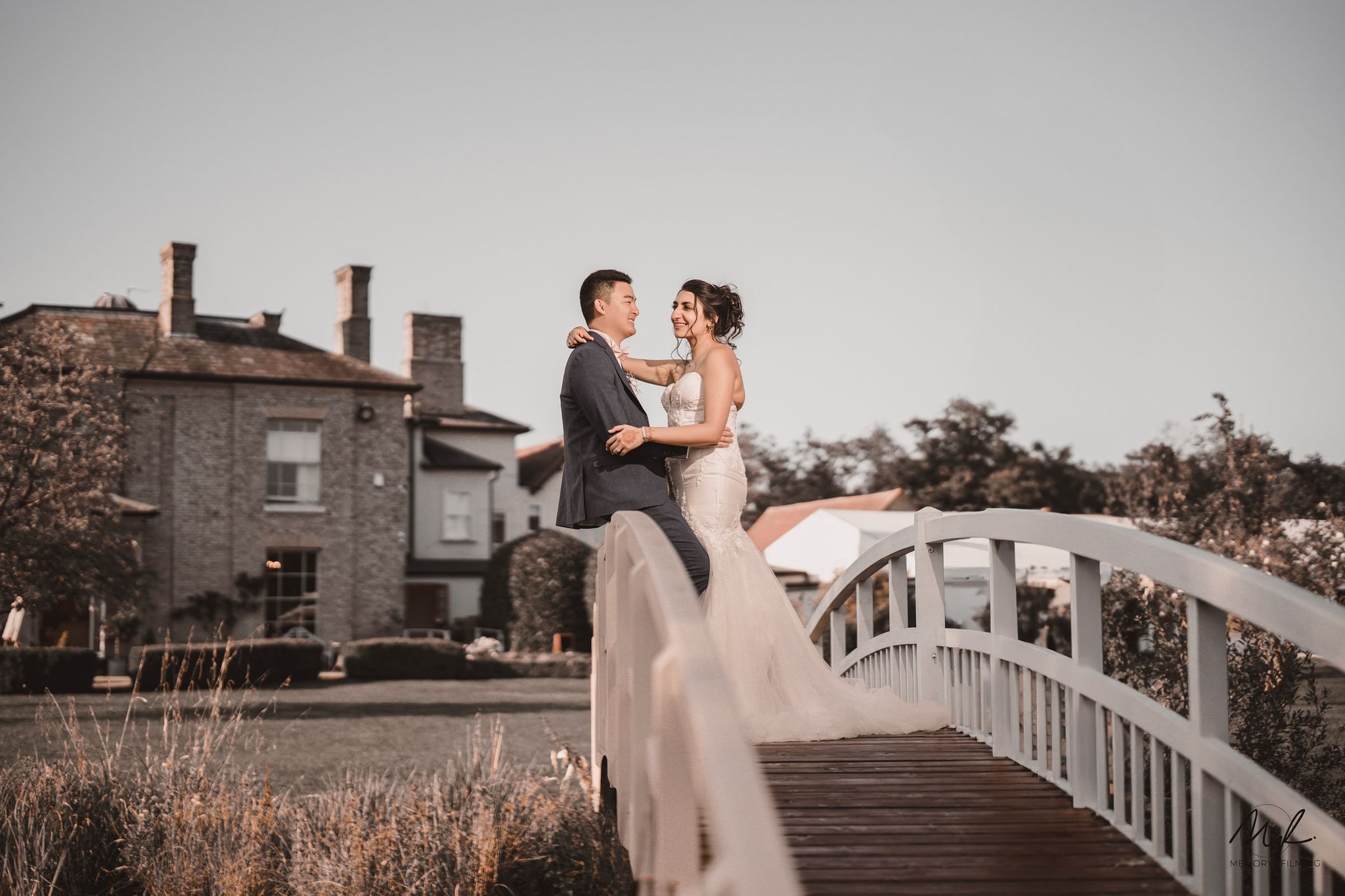
Kuldeep & Andrew
Christian & Sikh & Fusion · Fennes - Wedding Venue in Essex
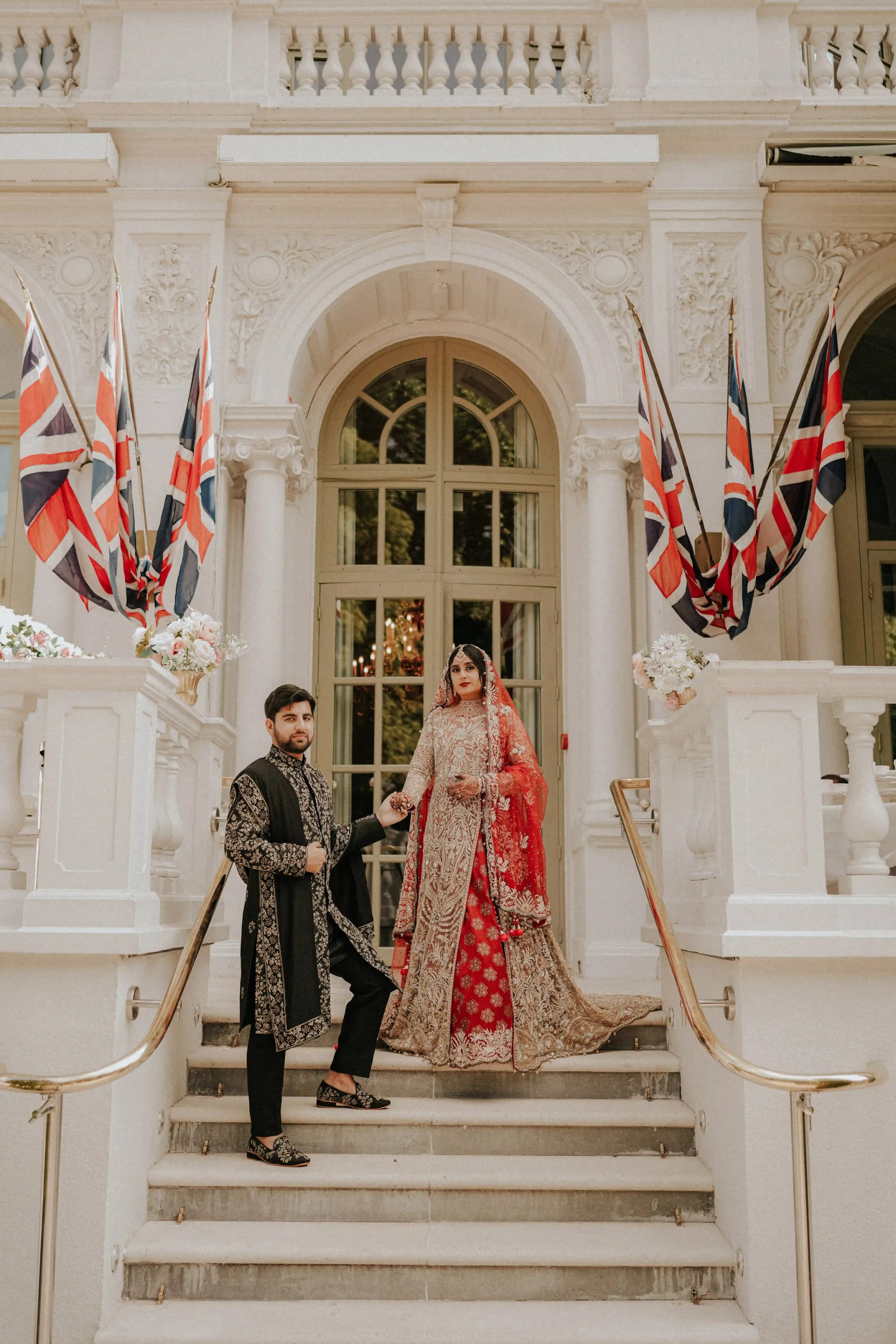
Mehreen & Hasnat
Muslim · Mandarin Oriental Hyde Park
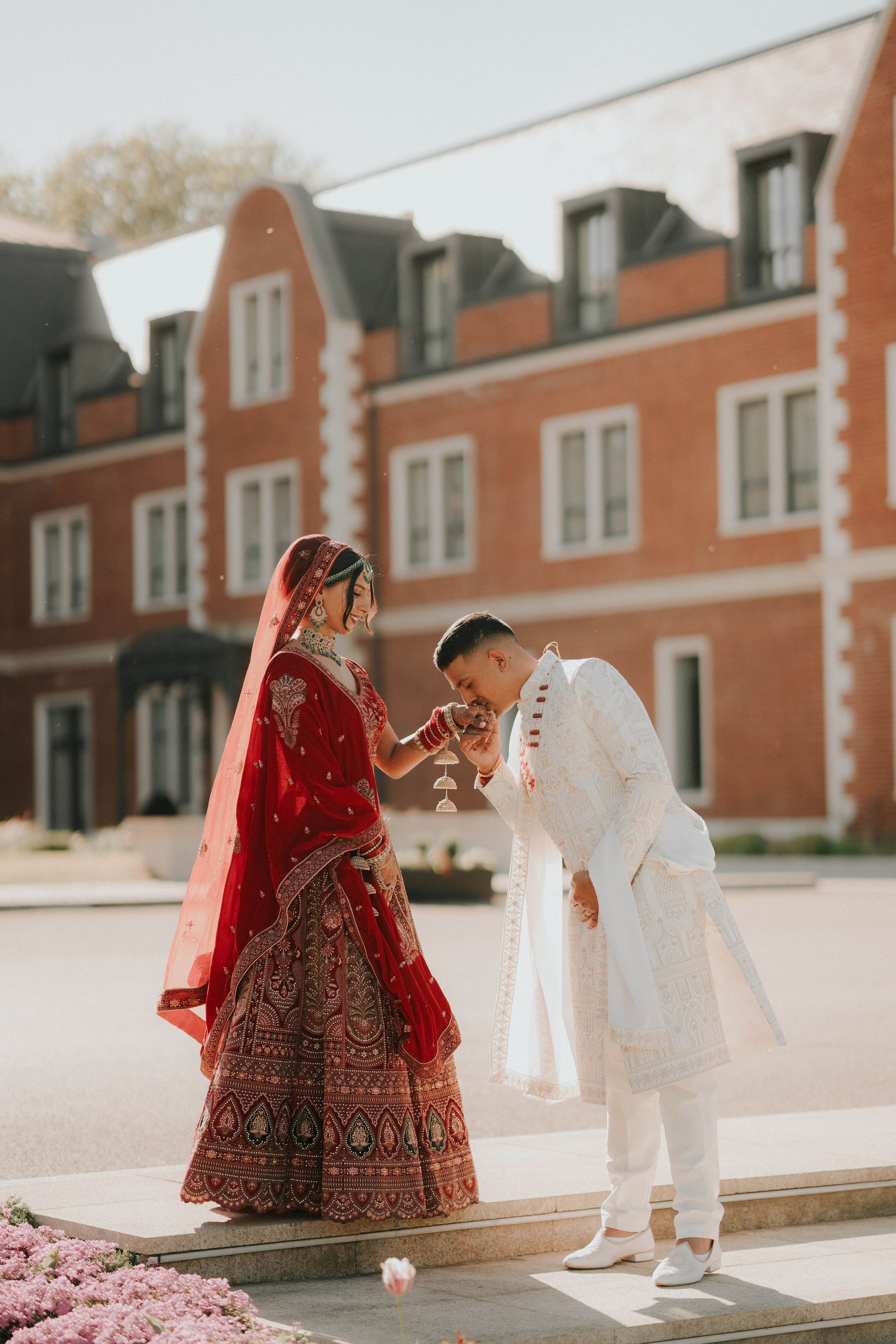
Tanuj & Tanisha
Hindu · Radisson Blu Hotel
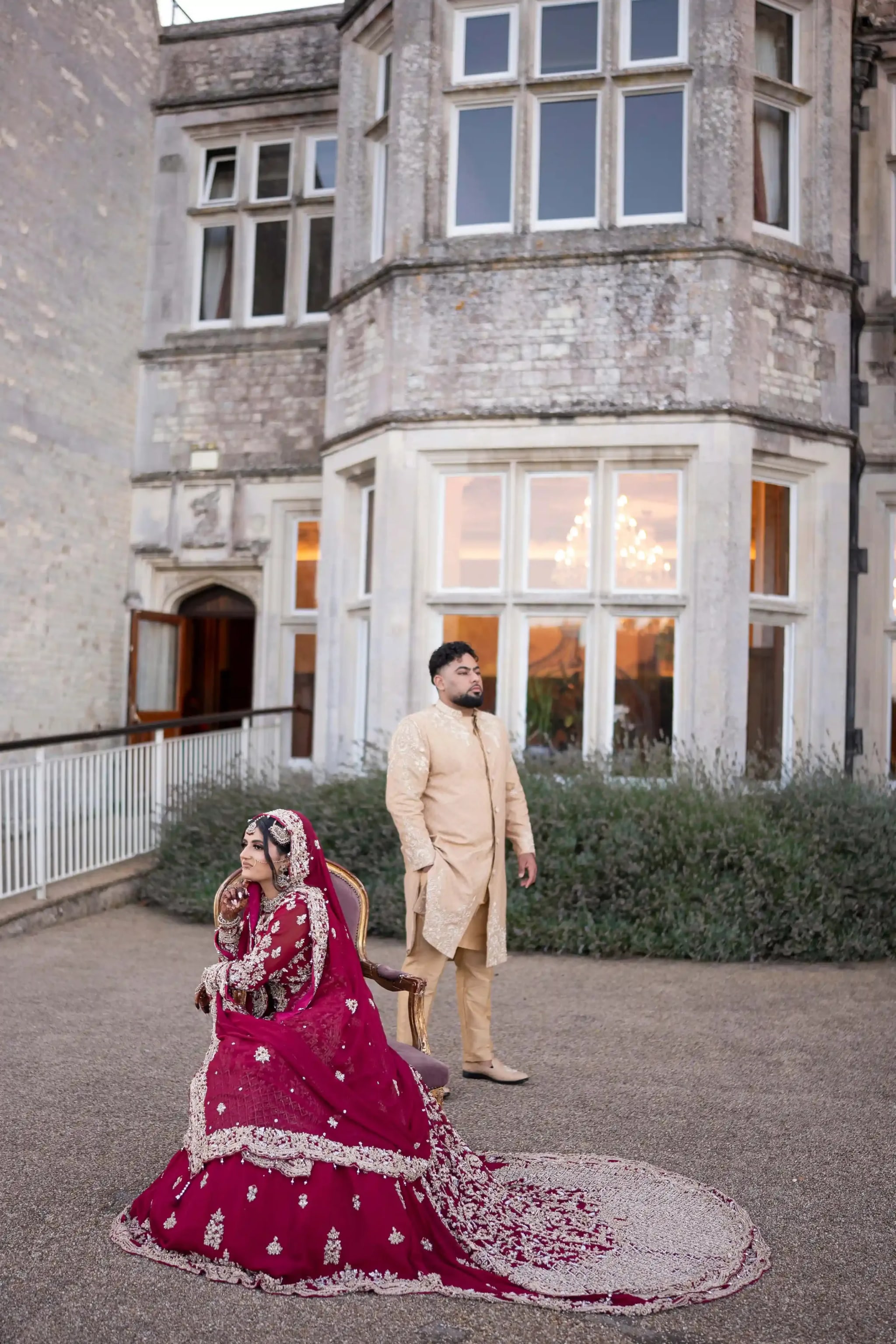
Maliha & Hassan
Muslim · Froyle Park
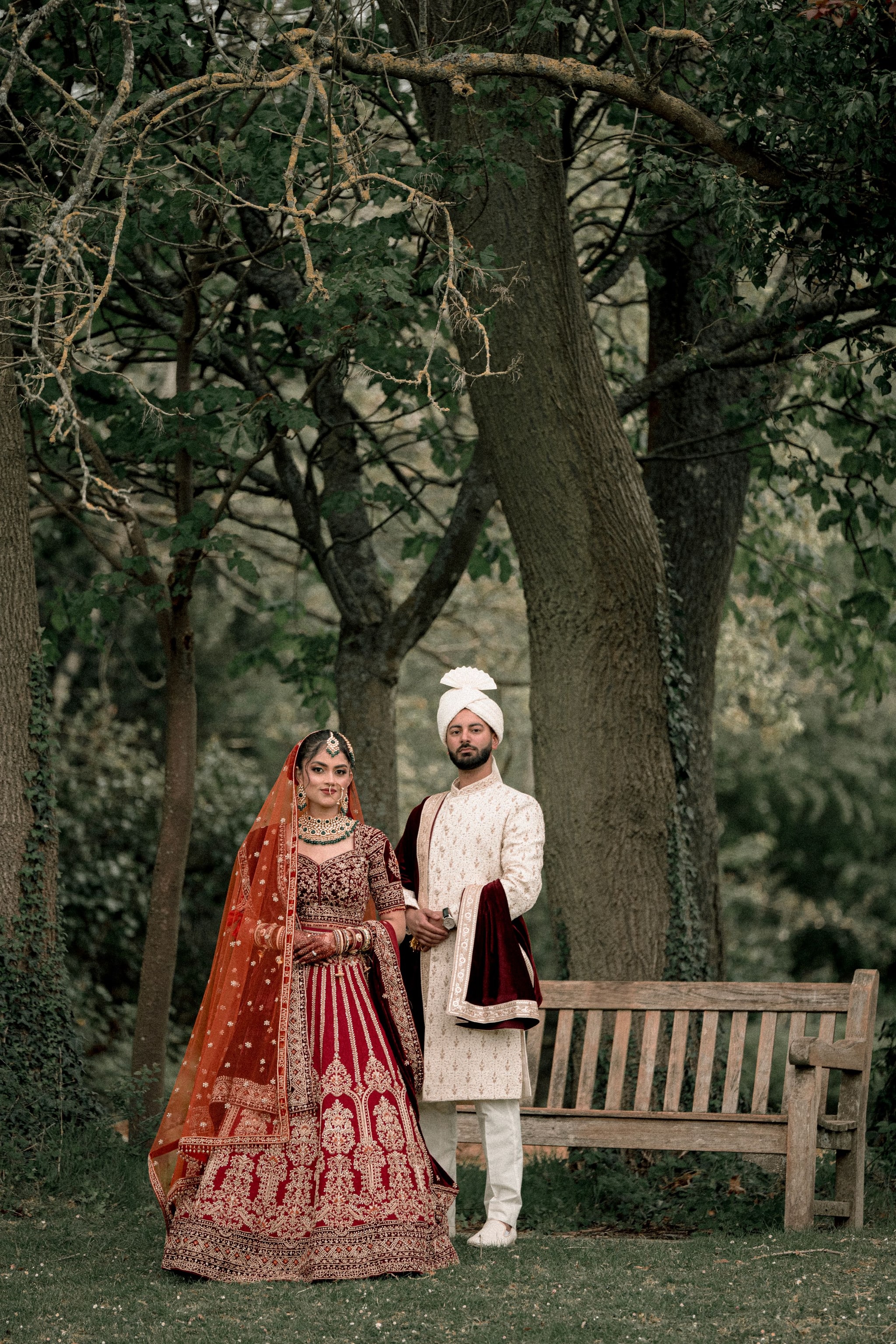
Simran & Sohail
Muslim · London Shenley Club
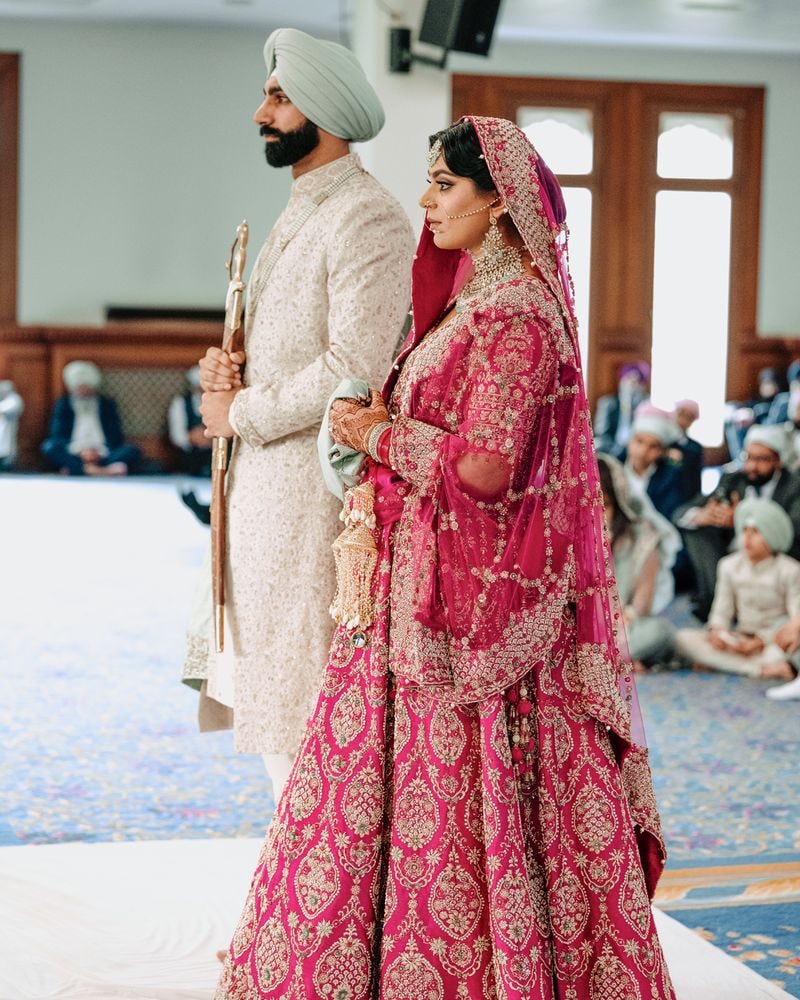
Dilpreet and Manveer
Sikh · Sri Guru Nanak Darbar Gurdwara
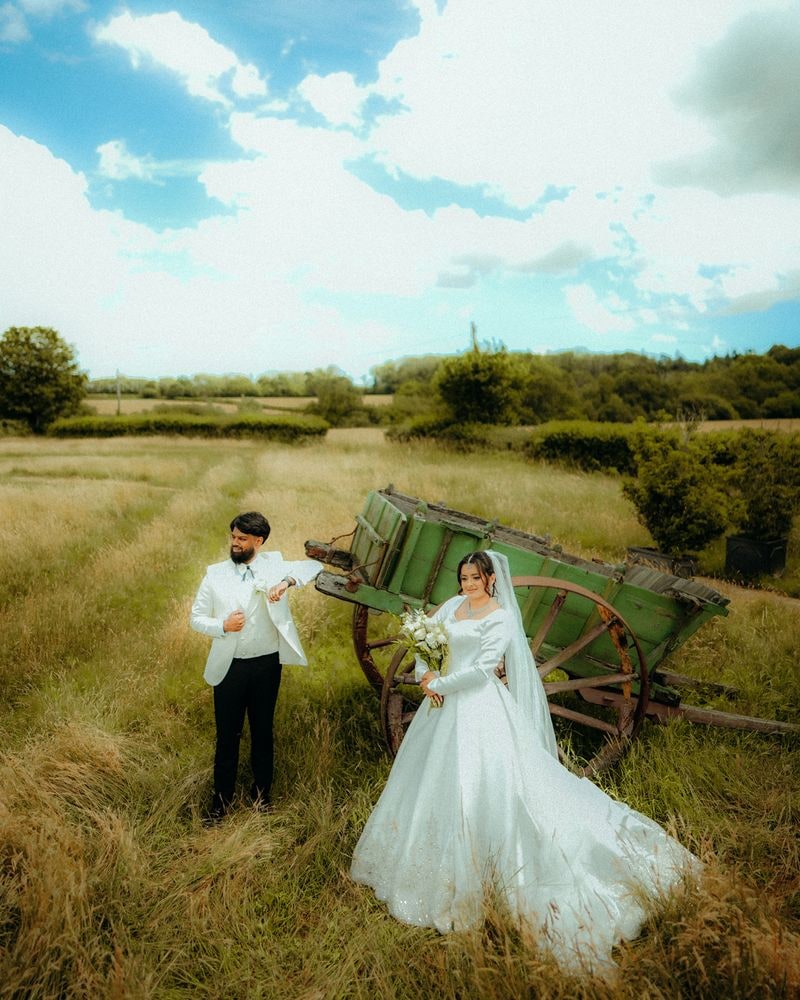
Maidah & Maahi
Christian · Chafford Park
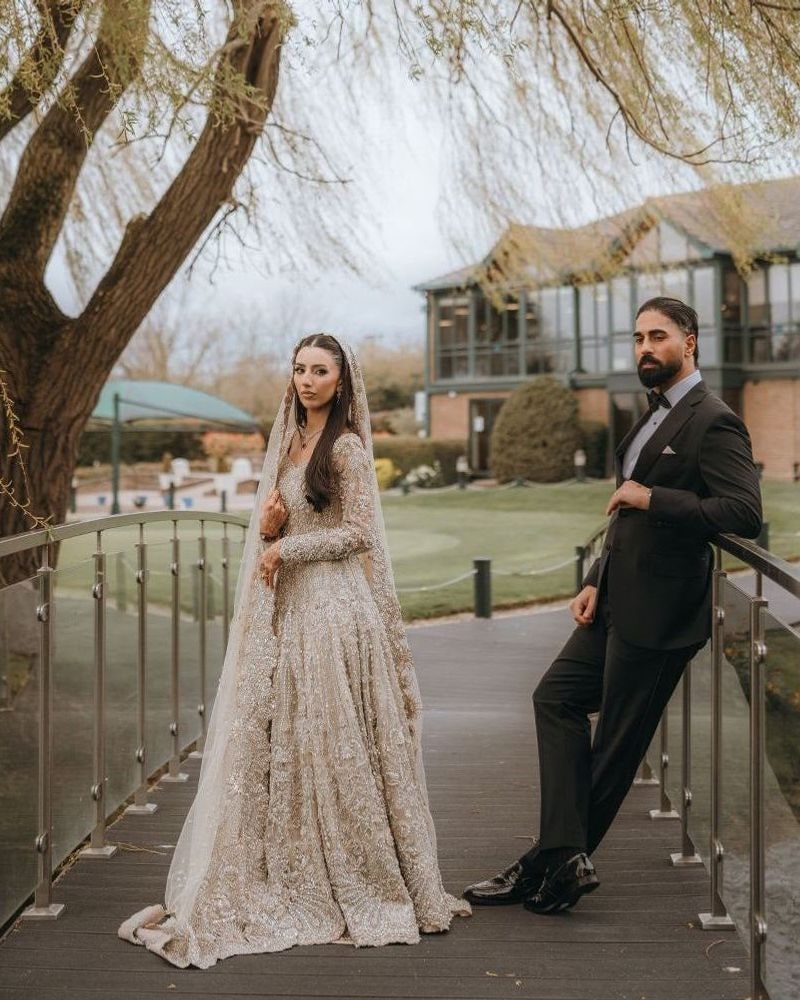
Hussain & Sumbul
Muslim · Three Rivers
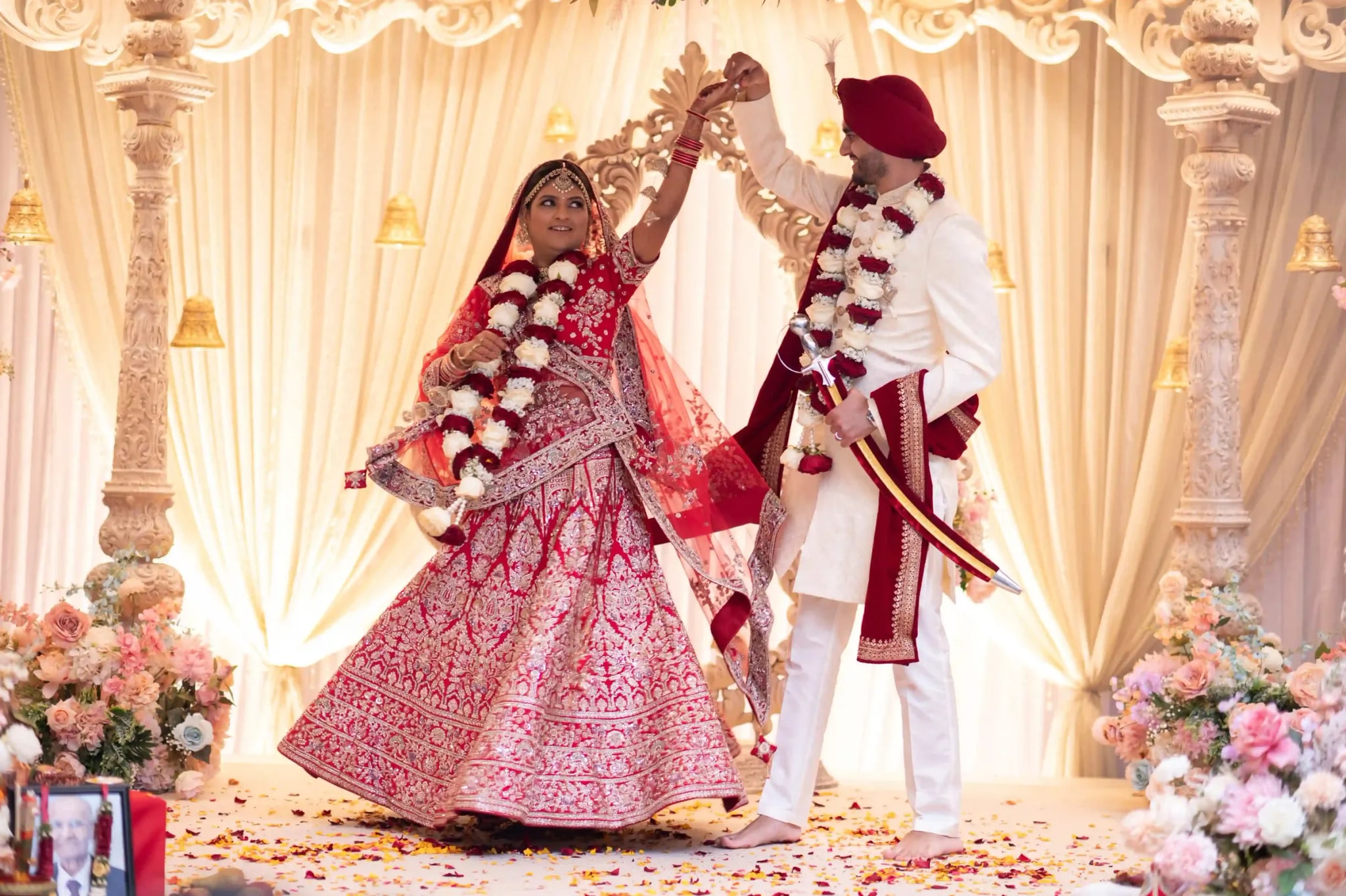
Sonal & Pavan
Hindu · Syon Park
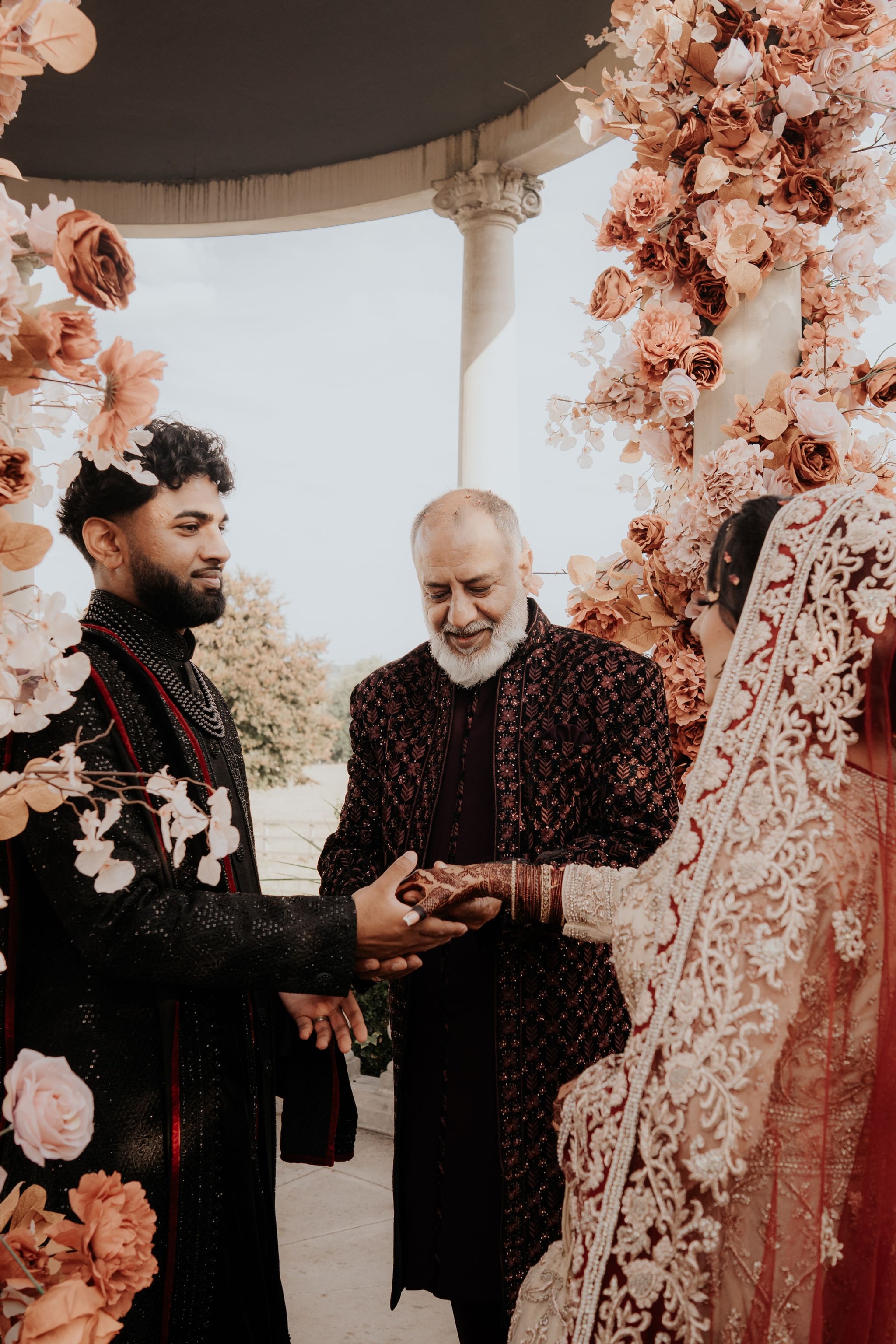
Safa & Usman
Muslim · Froyle Park
Gujarati Wedding Photography & Videography in London
It usually starts with Chandlo and Gol Dhana, small home rituals that mark the engagement is real, followed by Sagai proper. Then Garba and Sangeet, which are not a warm-up act. They often run longer than the ceremony itself, fill a bigger room, and produce more usable footage than the mandap does. Two to three hundred people in choreographed circles, dandiya sticks going, aunties who have clearly rehearsed more than the couple.
As a Gujarati wedding photographer and videographer team working across London, we staff Garba like the main event it actually is. Wide coverage for the choreography, close coverage for the faces mid-spin, and someone watching for the moment the formal routine breaks down into everyone just dancing. That last part is usually the best thirty seconds in the whole edit.
The ceremony day itself runs on its own logic too. A Gujarati Hindu wedding borrows from the wider Hindu structure, the mandap, the phera, the Saptapadi, but adds its own sequence around it: Mandap Muhurat, Ganesh Sthapana, Pithi at both houses, Mameru from the maternal uncle, Ponkvu at the door, and games like Aeki Beki that are more entertainment than ritual but matter just as much to the family watching.
What we cover
Everything a Gujarati wedding photographer and videographer in London needs to plan for, the full run, not just the phera.
- 01
Sagai, Chandlo & Gol Dhana
The engagement itself, usually a smaller home gathering, marked with Chandlo and Gol Dhana rituals before the wider family is told
- 02
Mandap Muhurat & Ganesh Sthapana
The formal start of proceedings, invoking Ganesh before anything else begins. Quiet and procedural, and easy to miss if a crew turns up late.
- 03
Pithi
Turmeric applied to the bride and groom at their own homes, usually on separate mornings. Family-led, unposed, and one of the warmest parts of the week to film.
- 04
Mameru
The maternal uncle's gifts to the bride, a moment crews unfamiliar with the tradition often miss entirely.
- 05
Garba & Sangeet
The choreographed dancing, the dandiya, the aunties who trained for months. Frequently the single best night of footage in the entire wedding.
- 06
The ceremony
Baraat, Ponkvu, Kanya Aagaman, Hasta Melap, the Mangal Phera and Saptapadi around the sacred fire, and the Kansar Bhakshan and Aeki Beki that follow.
Coverage
How many mornings need a camera is what decides crew size.
Ceremony day
- One day
- One to two crew
- The full ceremony sequence and the reception after
- Film and stills available together Suits a wedding where Garba has already happened privately or isn't part of the plan.
The usual shape
- Two to three days
- Two crew
- Garba or Sangeet, plus the ceremony day
- Pithi covered at one or both houses Where most Gujarati weddings we film across London and the Home Counties land.
Full multi-day
- Three or more days, often more than one venue
- Full crew across both families
- Pithi at both houses, Garba, ceremony and reception
- A longer cinematic edit as well as the highlights For weddings running past three days with the guest list to match.
We don't publish prices, because no two of these weddings are the same. Tell us the date, the venue and how many events you are running, and we will send an itemised quote with nothing to decode.
Twenty-five years in the room
Why Gujarati families book us
The difference between filming the ritual and filming the room.
We treat Garba as the main event
Not the warm-up. Wide coverage for the choreography, close coverage for the faces, and a crew that stays on the floor until the formal routine actually breaks down into everyone dancing.
We know the order most crews don't
Mandap Muhurat before Ganesh Sthapana, Mameru from the maternal uncle specifically, Ponkvu at the door before anyone steps inside. Knowing the sequence means never asking anyone to repeat a moment.
Two houses, two mornings, one team
Pithi usually happens separately at the bride's and groom's homes. We put crew at both when it's needed, so neither morning is the one that gets missed.
Questions
Before you ask.
Is Garba part of the wedding, or a separate event?
It's part of the wedding, and often the biggest night of the week in terms of guests and energy. We recommend filming it properly rather than treating it as optional, since it usually produces the standout footage of the whole edit.
Do you cover Pithi at both houses?
Yes, when needed. The bride's and groom's Pithi often happen the same morning at different locations, so we put a second crew on one side when the timing requires it.
Our Garba is at a different venue to the ceremony?
Common, and not a problem. Tell us both venues and dates when you enquire and we plan the crew and travel around it.
What about the Aeki Beki and other games after the phera?
We stay for them. They're informal, but families care about them just as much as the formal ritual, and they're usually where the couple relaxes on camera for the first time all day.
Have you filmed in our venue before?
Very possibly. Tell us the venue when you enquire and we'll say plainly whether we've worked there, and what we know about filming in that particular room.
How far in advance should we book?
Popular dates go a long way out, particularly in summer and around the main festival periods. If you have a date and a venue, it's worth asking now even if nothing else is decided.
4 awards for our work, including from Pakistan Achievement Awards International. Rated 5 out of 5 from 18 reviews on Bridebook. See them.
Enquire
Is your datestill free?
Tell us the date and the venue and we will come back within one working day with availability, a crew size and a straight price.