
Asian Wedding Photography and Videography Packages in London: What Should Be Included?
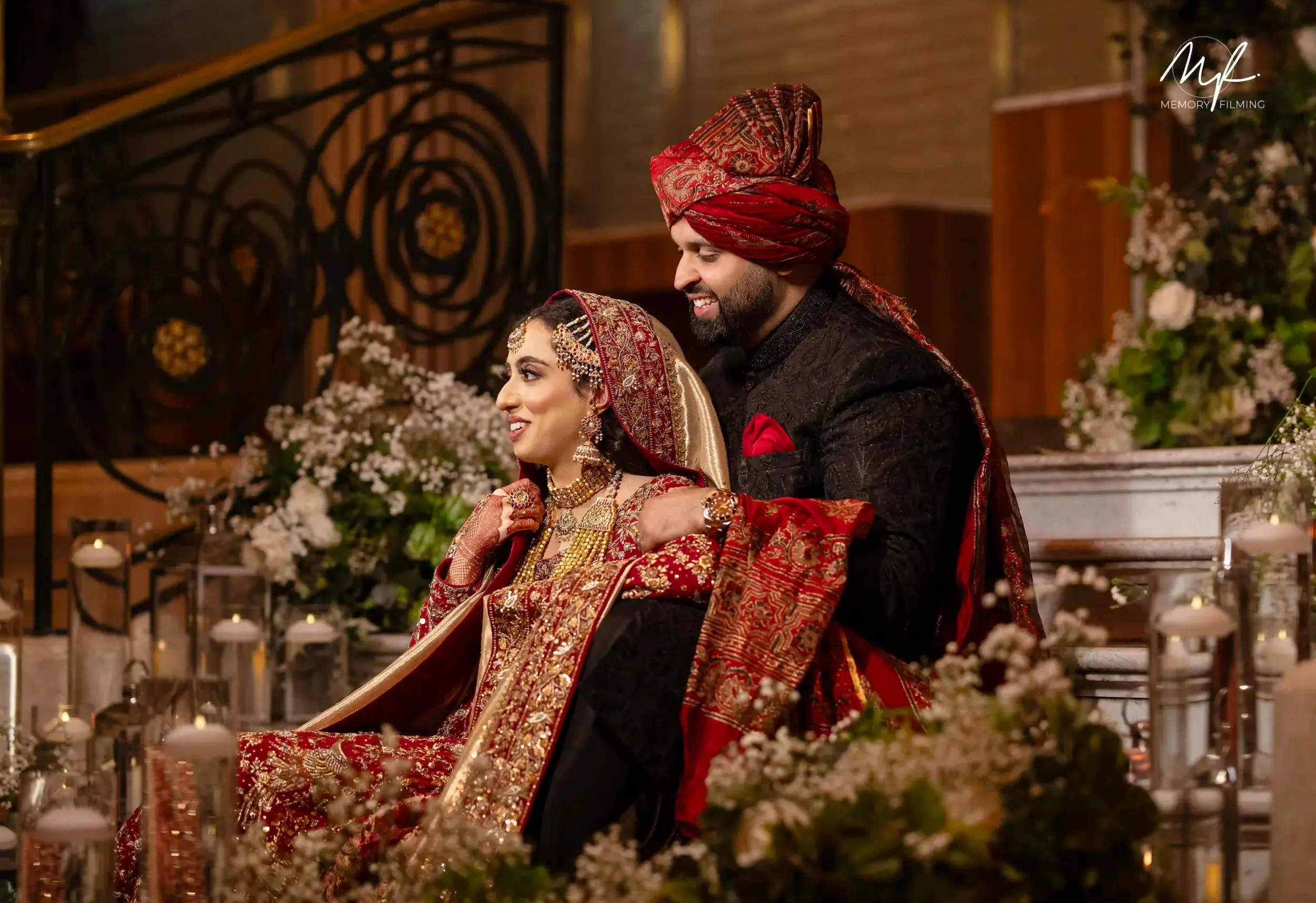
Asian Wedding Photography and Videography Packages in London: What Should Be Included?
An Asian wedding rarely fits inside one ceremony or one day because it consists of many events. A couple might have an Anand Karaj followed by a reception the same evening in a Sikh ceremony. A couple might hold the Nikah separately from the Walima, sometimes days or weeks apart in a Muslim wedding. A couple could have a Haldi and a Mehndi night, a Sangeet, a full Vedic ceremony, and a reception once the sun goes down in a Hindu wedding. Couples across London and the wider UK need an Asian wedding photographer and videographer who already understands this order of events. If a package quote does not account for it, the person who wrote it has probably not worked one of these weddings before.
Most couples face this probelm when they compare photography and videography packages. The Asian wedding photography prices often look similar on paper. What is actually included behind those prices can be very different. The gap only becomes clear once the wedding day has started. Knowing what a good wedding package should contain, before you sign anything. It is the difference between a calm day and a stressful one.
Why What Is Included Matters More Than The Price
Two studios can tell the same price for an Asian wedding photography and videography package. But they both still give you two very different experiences. One might send one photographer and one videographer for eight hours. Then hand over a folder of unsorted images two months later. The price tells you what you will pay. The list of inclusions tells you what you will actually get. Before you compare numbers, build a simple checklist of what should be in a package made for Asian weddings, rather than a standard wedding package with a cultural label added to it.
Hours of Coverage Should Match Your Actual Day
Most standard wedding packages offer six or eight hours, built for one ceremony and one reception. Asian weddings often need more than that. A Mehndi function can run late into the evening on its own. A Sikh Anand Karaj usually needs coverage from the early morning Milni through to the Langar. A Hindu wedding with a full Vedic ceremony can involve several hours of rituals before the couple even reaches the reception.
A good package should offer coverage in blocks that match this, rather than forcing you to pay extra once you realise the standard hours are not enough. Ask how many hours are included as standard, what the extra hourly rate is, and whether the studio has covered a ceremony like yours before. A Nikah moves at a very different pace to a Sangeet.
Team Size and Who Does What
One photographer and one videographer can cover a small event at a single venue well. They cannot cover a large Asian wedding with several ceremonies, a Baraat procession, a stage entrance, and hundreds of guests spread across a hall. When one person is trying to catch the groom arriving and the bride reacting at the same moment, something gets missed.
A properly built package should tell you:
- How many photographers will be there, and for which parts of the day.
- How many videographers, and whether a second camera covers wide shots while the lead follows the couple.
- Whether a drone operator is included for the Baraat or venue shots, and whether they are licensed and insured.
- Whether an assistant or lighting person joins the team for the evening reception.
If a quote does not break this down, ask for it in writing. An unclear answer is usually the first sign that the studio has not thought what a full day of Asian wedding coverage actually needs. It also tells you quickly whether you are booking experienced wedding photographers or a team still learning on the job.
Ceremony Specific Coverage Should Be Named, Not Assumed
This is where most standard packages fall short. A studio that lists a single “wedding photography package” without naming the ceremonies it covers is telling you it has built one product for every couple. A package built properly for Asian weddings should name the moments it is designed to capture.
Haldi. The turmeric ceremony that often comes before the Mehndi in Hindu weddings. It is also the event in some sikh weddings. It tends to be loose, colourful, and full of unplanned family moments that need a documentary style rather than a formal one.
Mehndi. The henna application, the music, the colour, and the informal family moments that happen around it rather than during a formal ceremony. It is a part of Muslim and Hindu weddings.
Nikkah. The signing, the readings, and the quieter, more formal tone of a Muslim wedding contract, followed later by the Walima celebration.
Anand Karaj. The full Sikh ceremony inside the Gurdwara, including the Milni, the Laavan around the Guru Granth Sahib, and the Langar that follows.
Hindu ceremony. The Mandap, the Kanyadaan, the Saptapadi around the sacred fire, and the many smaller rituals around them. These events run often more than a western wedding.
Reception and Sangeet. The stage entrances, the performances, the speeches, and the photography and videography needs of the evening, which usually move faster and in lower light than the daytime ceremony.
A good package will either list these ceremonies by name or ask which ones apply to your wedding before quoting, rather than giving you one flat number no matter what you tell them.
Photography Deliverables Worth Confirming in Writing
A good package should also cover the quieter moments before the main event, not just the ceremony itself. Bridal preparation and groom preparation, the getting ready shots, the nervous energy in the room, family helping with the outfit or the turban, are often where the most natural, least posed photos come from. A studio built around documentary wedding photography treats this as part of the story.
Beyond the day itself, get clear answers on:
- How many edited images will be delivered, and whether that number is a minimum or a rough guide.
- Whether the images are colour graded and retouched, or handed over as a straight export from the camera.
- How the images are delivered, through an online gallery, a USB drive, or both.
- Whether a printed album is included, and if so, how many pages and what paper quality.
- The turnaround time from wedding day to final gallery, in writing, not a vague “a few weeks.”
Videography Deliverables Worth Confirming in Writing
The same clarity should apply to film. A package should tell you:
- Whether you get a short highlights film, a full length feature film, or both.
- The resolution the film is delivered in. 4K should now be standard, not an extra you pay for.
- Whether raw, unedited footage is included or offered as an add on, useful if you want to re edit later.
- Whether music rights are handled by the studio, so you can share the finished film publicly without a copyright strike.
- Whether a trailer or same day edit is included for guests to watch during the reception.
Combined Packages Versus Separate Suppliers
Some studios call their combined offer a photo and cinema package. Others call it a wedding photography collection. The idea behind the name is the same. Many couples ask whether it is better to book photography and videography together from one studio, or hire two separate suppliers. A combined team that has worked together before tends to move around each other well on the day, share the same shot list, and stay out of each other angles during key moments like the Vidaai or the first look. It usually also means one point of contact, one contract, and often a better combined rate than booking apart.
Separate suppliers can still work if you have a strong personal reason to pick two specific people you trust. It does add extra work on your part, though, since you become the one making sure both teams know the running order and are not standing in each other shots during the Saat Phere or the Laavan
Also see our guide on Asian wedding photography and videography prices London.
Common Add Ons Worth Considering
Once the core package is settled, a few extras are worth asking about for an Asian wedding:
- Pre wedding shoot. Good for couples who want save the date content or engagement photos before the main event.
- Second day coverage. Common where the Mehndi, ceremony, and reception fall on separate dates rather than one long day.
- Drone footage. Good for showing the scale of a large Baraat or an outdoor venue.
- Same day edit. A short film played during the reception, which needs an editor working on site through the day.
Extra family portrait time. Large extended families often need more portrait time than a standard package allows
Questions to Ask Before You Book
- How many hours of coverage are included as standard, and what happens if the day runs over.
- How many photographers and videographers will be there, by name if possible.
- Which ceremonies the package is built around.
- What the turnaround time is for photos and film, in writing.
- Whether a second shooter or drone operator is included or an add on.
- What happens if someone on the team is ill or there is an emergency on the day, and whether a backup team exists.
- Whether past couples from your own community, whether Sikh, Hindu, Muslim, Bengali, or Pakistani, can be contacted or their full galleries viewed, not just a highlight reel
Warning Signs in a Package Quote
A few warning signs are worth watching for. A quote with no mention of hours, deliverables, or team size, just one headline price, usually means the real details get sorted out after the deposit is paid, not before. A studio that cannot describe how a Sikh, Hindu, or Muslim ceremony usually runs has probably not covered many of them. A package with no written turnaround time for photos or film often means couples wait far longer than expected, sometimes months, with nowhere clear to turn.
Frequently Asked Questions
How many hours of coverage do I actually need for an Asian wedding?
It depends on how many ceremonies fall on the same day. A single reception might only need six to eight hours. A day with a Mehndi, a full ceremony, and an evening reception can need well beyond that. Map out your actual running order before you agree to a fixed number of hours.
Should photography and videography be booked from the same studio?
It is not required, but a combined team that already works together tends to coordinate more smoothly around the rituals of Sikh, Hindu, and Muslim ceremonies. It is often better value than two separate bookings too.
What is a fair turnaround time for the final photos and film?
This varies by studio and by season, so get it confirmed in writing before you book rather than guessing. Ask for a clear time window, not a general estimate.
Do I need a drone for my wedding photography and videography?
Not every venue allows one, and not every wedding needs one. For a large Baraat procession or an outdoor venue, drone footage can show a sense of scale that ground level coverage cannot.
What if my ceremonies are spread across more than one day?
Many Asian weddings have a Mehndi, a ceremony, and a Walima or reception on separate dates. A well built package should offer multi day coverage as standard, rather than treating each day as a completely separate booking.
Khurram Iftikhar has worked as an Asian wedding photographer and videographer for more than twenty five years across London and the wider UK, covering Sikh, Hindu, Muslim, Bengali, and Pakistani weddings. He was named Best Photo and Videographer of the Year at the 2024 Pakistan Achievement Awards International. Memory Filming is based in Brentford and builds every package around the ceremonies each couple is actually celebrating, not a single standard template.