About Memory Filming
Twenty-five years
in the room.
9,700 weddings across six traditions. One founding idea: know the moment so well that you are never the reason it was missed.
It began in 2000 with a borrowed camera and a notebook. What Khurram Iftikhar carried from that into weddings was not a style, it was a habit: work out what the moment is going to do before it does it, and be ready. The spiritual weight, the family stakes, the traditions grown across generations.
Twenty-five years on, that is 9,700 weddings. Not one ceremony filmed 9,700 times, Nikkah in East London mosques, Anand Karaj in Gurdwaras across the Midlands, Vivaah Sanskar where Sanskrit is chanted and fire witnesses the vows, Gaye Holud in family homes, Thirumanam where the thali is tied and everything changes.
What connects them is not sameness. It is specificity, the knowledge that comes from standing in a room long enough to know what happens next, and why it matters. This is not a service. It is a record: 9,700 moments a family will watch for the next twenty-five years, or longer.
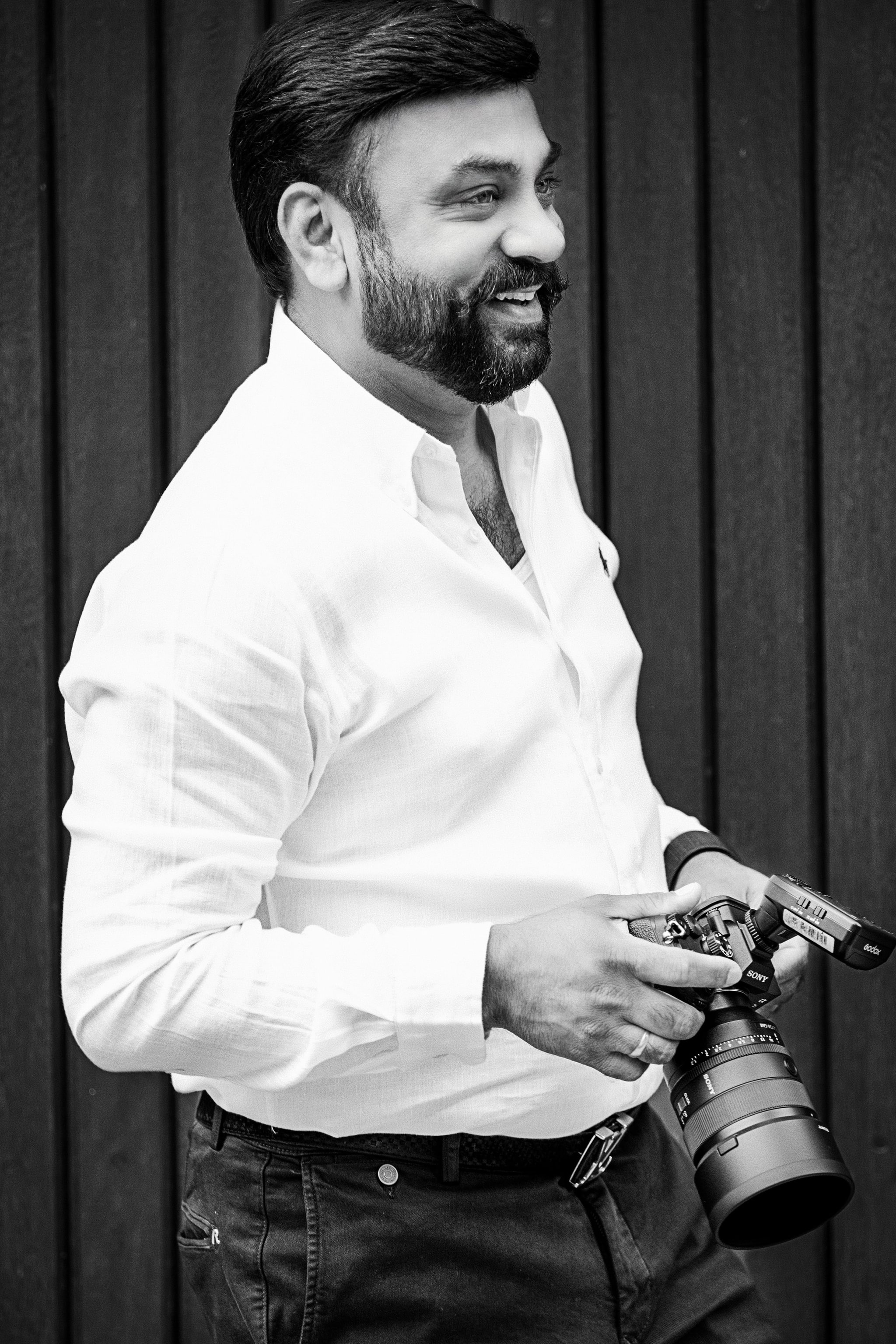
Khurram Iftikhar · Founder, Memory Filming
The founder
A cousin saw it first.His father taught him the rest.
Khurram did not set out to be a photographer. In 2000 a cousin noticed he had an eye for it and pushed him towards a camera. It happened to be his father’s. His parents shot for pleasure rather than for a living, and his father became his only teacher, starting from nothing: how the camera worked, and then everything that happens after the shutter. Developing. Printing. Drying. Mounting an album by hand.
He learned on 35mm film, which meant a roll had to be finished before it could go anywhere, and then the lab had it for days. There was no screen to check and nothing to tell him whether he had got the shot. So he kept a notebook: every frame he took, the settings he chose, and what he expected to see. When the prints came back he read the notes against them and worked out where he had been wrong.
There was no YouTube in 2000. No tutorials, no courses, nobody to ask. He set himself problems and kept at them until the picture came out the way he had pictured it. Twenty-five years later he will still tell you he learns something on every job.
Weddings came next, and they stuck. He finds them calming, which surprises people. Most couples are doing this for the first or second time in their lives and have no idea where to stand or what to do with their hands, and the part he enjoys most is taking that off them, walking them through the day so they can be present at their own wedding rather than managing it.
It is also, he thinks, why younger couples keep booking him. Wedding photography trends turn over every few years. What he learned on film, where a wasted frame cost money, was built to work rather than to look current, and the direction he gives couples has not needed replacing. People he photographed twenty years ago still like their albums. That is the only test he trusts.
The rest came from the rooms themselves. He spent years learning the traditions rather than just the shot list: not only how to film a Nikkah, but what the Ijab-Qabul means; not only where to stand during Anand Karaj, but why the laavan are ordered the way they are. None of those moments can be rescheduled, and you cannot ask a family to do it again for the camera. The studio grew on couples telling each other that they’ll know your traditions, because they’ve filmed them before.
Twenty-five years, counted
- 25Years documenting weddingssince 2000
- 9,700Weddings filmedacross six traditions
- 6Ceremony traditionsknown in depth
- 500+Venuesacross London & the UK
How we work
Three things, every time.
- 01
Know the tradition
We don't film six different weddings. We specialise in six specific traditions. That means the order of service, the moments that matter and the photography etiquette are already known before we arrive. You are booking a crew that has filmed your exact ceremony hundreds of times.
Read about your ceremony - 02
Respect the moment
Some moments happen once and cannot be repeated, the Ijab-Qabul, the four laavan, the thali being tied. We position to capture them without intruding on them. Being present and being in the way are different things, and we know the difference.
- 03
Invest in the relationship
Before a camera comes out, we talk. We want to understand your story, your family and what the day means, because that is what tells us where to stand and what to prioritise. Your wedding is not a job on a calendar; it is the thing we build everything else on.
Let's talk about your wedding
What drives us
Non-negotiable.
Specificity over generality
We know six traditions deeply rather than twenty superficially.
Presence over performance
We are in the room to capture, not to be seen. The camera is secondary to your day.
Respect over assumptions
Every ceremony and every family is different. We ask before we assume.
Timeless over trendy
We use current tools, but a wedding film should not look dated in five years.
From ceremony to film.
What happens between your first message and the film you keep.
- 01Weeks before
The conversation
We talk through your ceremony, your events and your family, answer your questions, set expectations for coverage and turnaround, and confirm the date.
- 02Before the day
Preparation
We research your venue and its photography rules, coordinate with your photographer, and build a shot list around your tradition and what your family cares about most.
- 03The wedding
Coverage
We arrive early to scout light and positioning, cover the pre-wedding events and the ceremony, and stay mobile, present and one step ahead of the moment.
- 044–6 weeks after
Post-production
We build the narrative, grade every frame to one house look, cut for emotion and pace, work in your music, and refine across a round or two of your feedback.
- 05Delivery
Your film, to keep
Delivered by secure download, on a USB if you want one, and backed up. You own the file, to watch, to share, and to hand down.
See for yourself.
Every film tells a different story, because every couple has one.
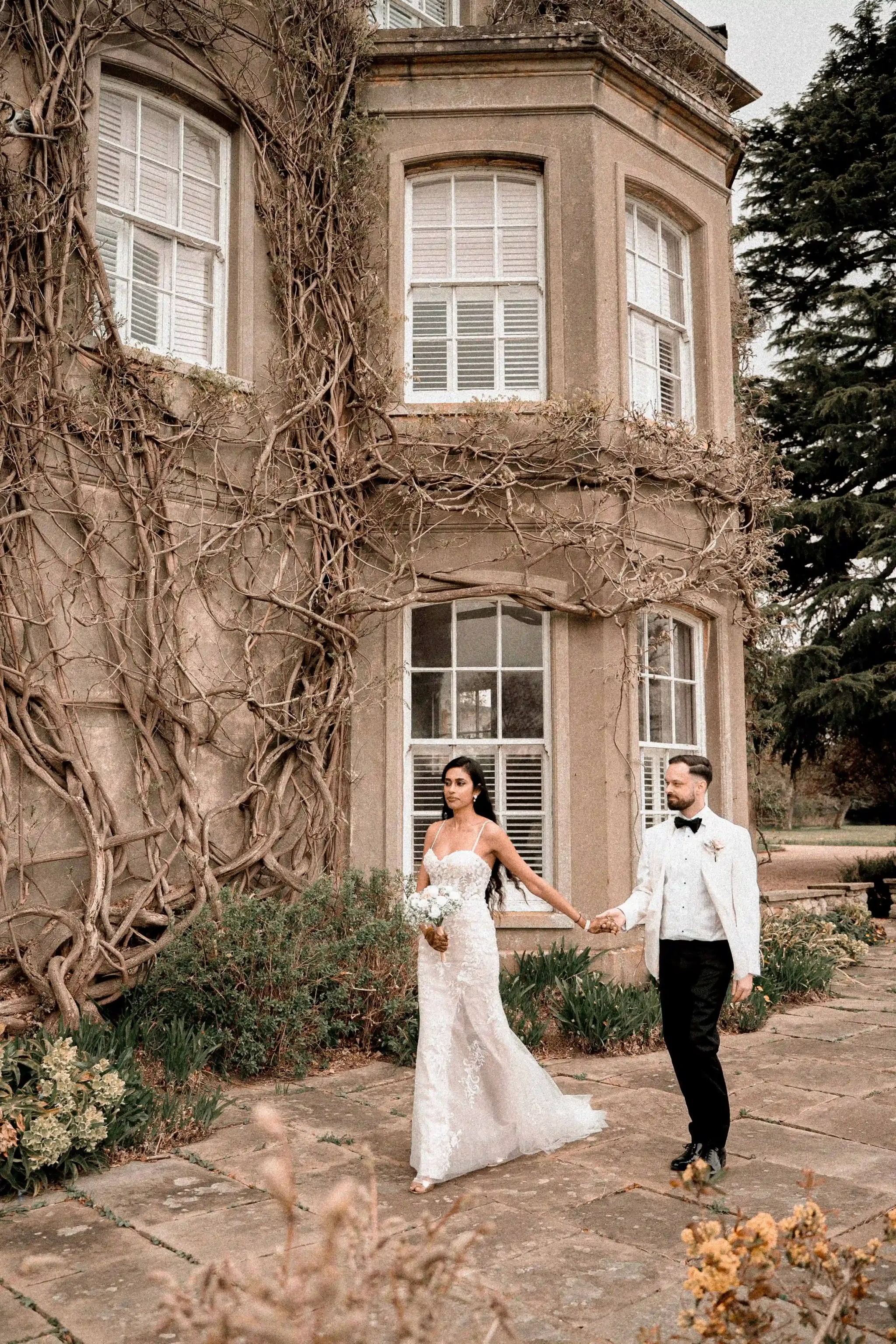
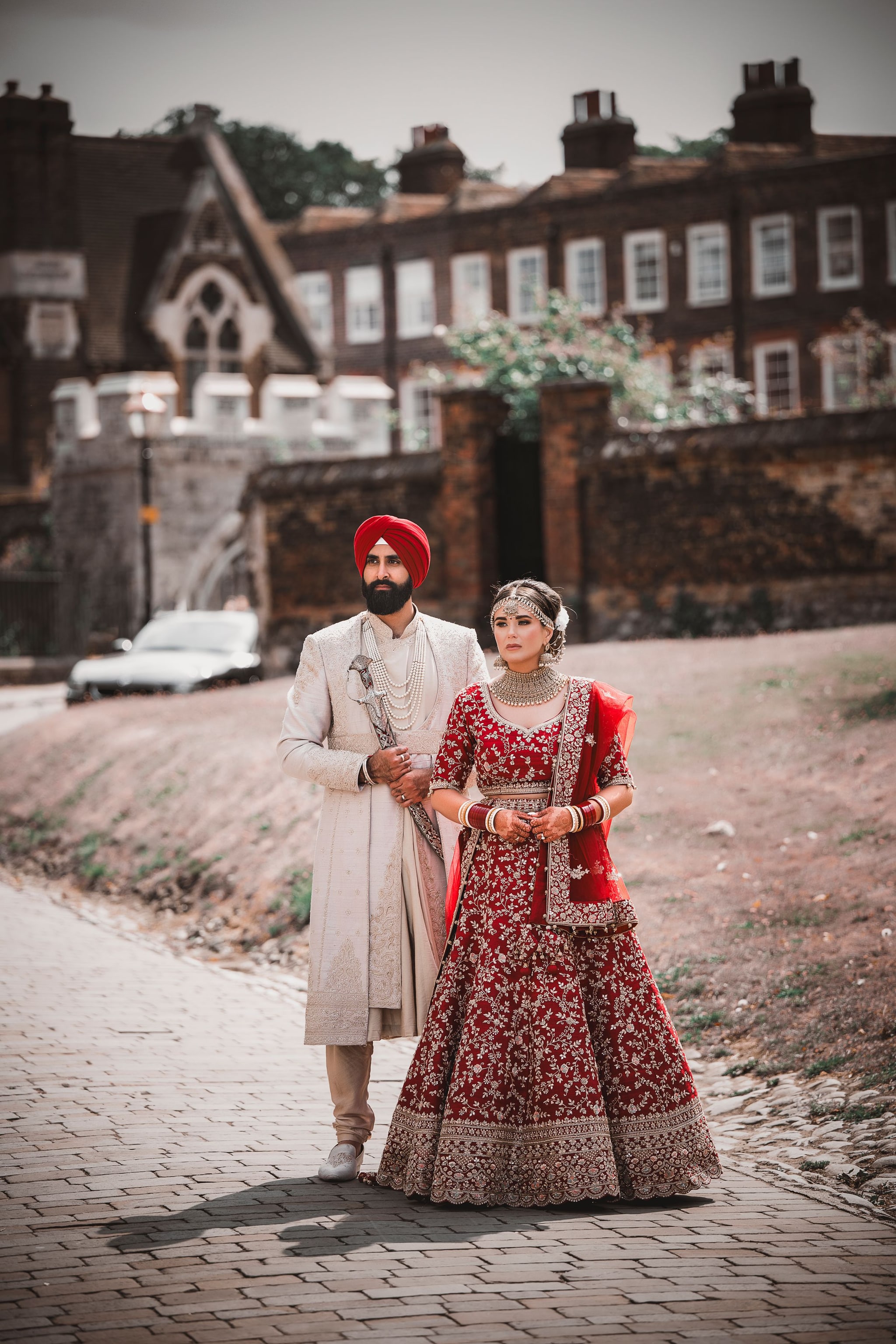
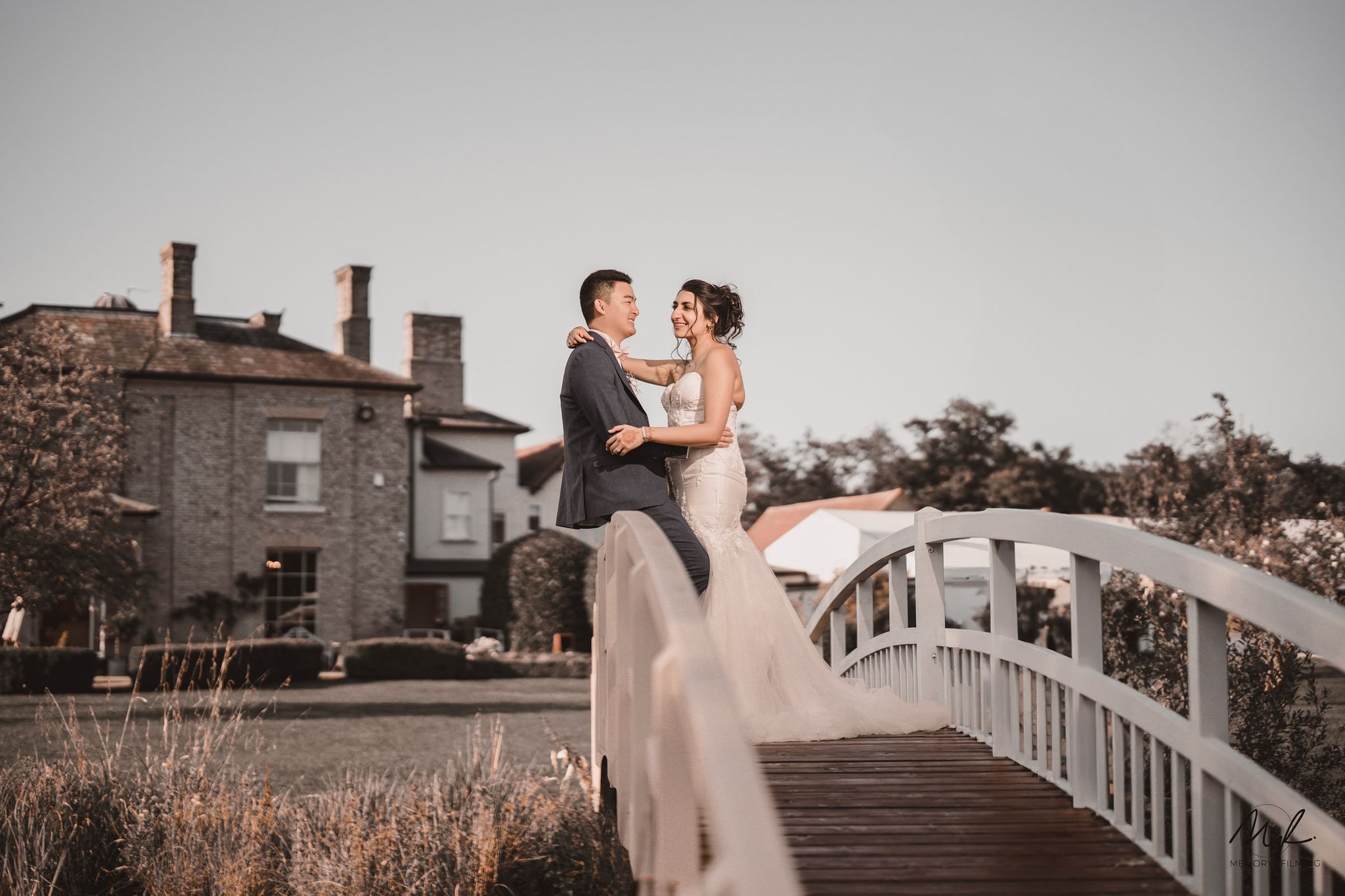
4 awards for our work, including from Pakistan Achievement Awards International. Rated 5 out of 5 from 18 reviews on Bridebook. See them.
The next step
Ready to tellyour story?
Deep knowledge of your tradition, respect for your moment, and the commitment to capture what matters. If that is what you are after, let's talk.