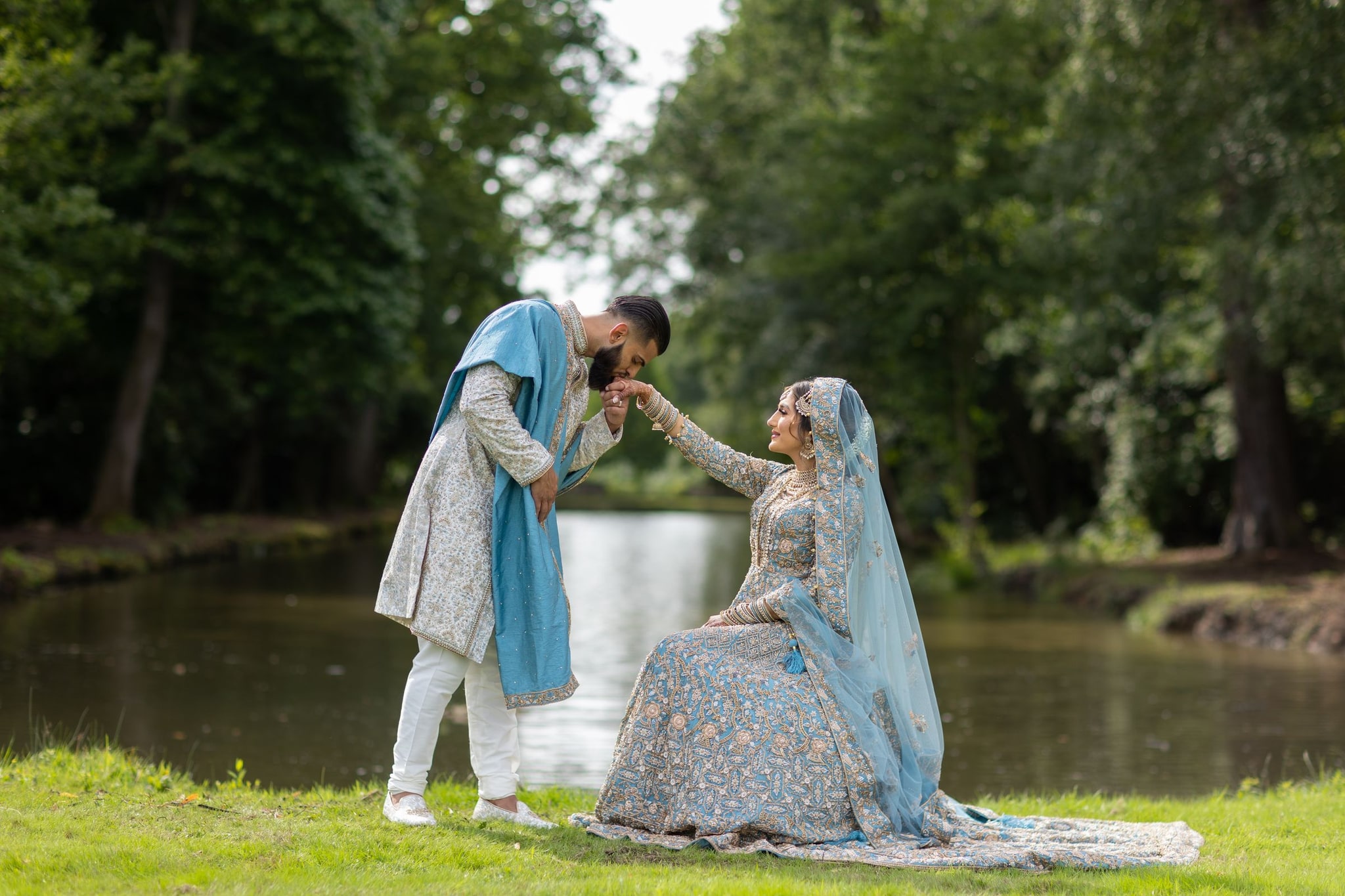
Bengali weddings
Turmeric, marigolds, and the aunts.
From the Gaye Holud morning to the Bou Bhaat, covered by people who know the best frames are almost never of the couple.
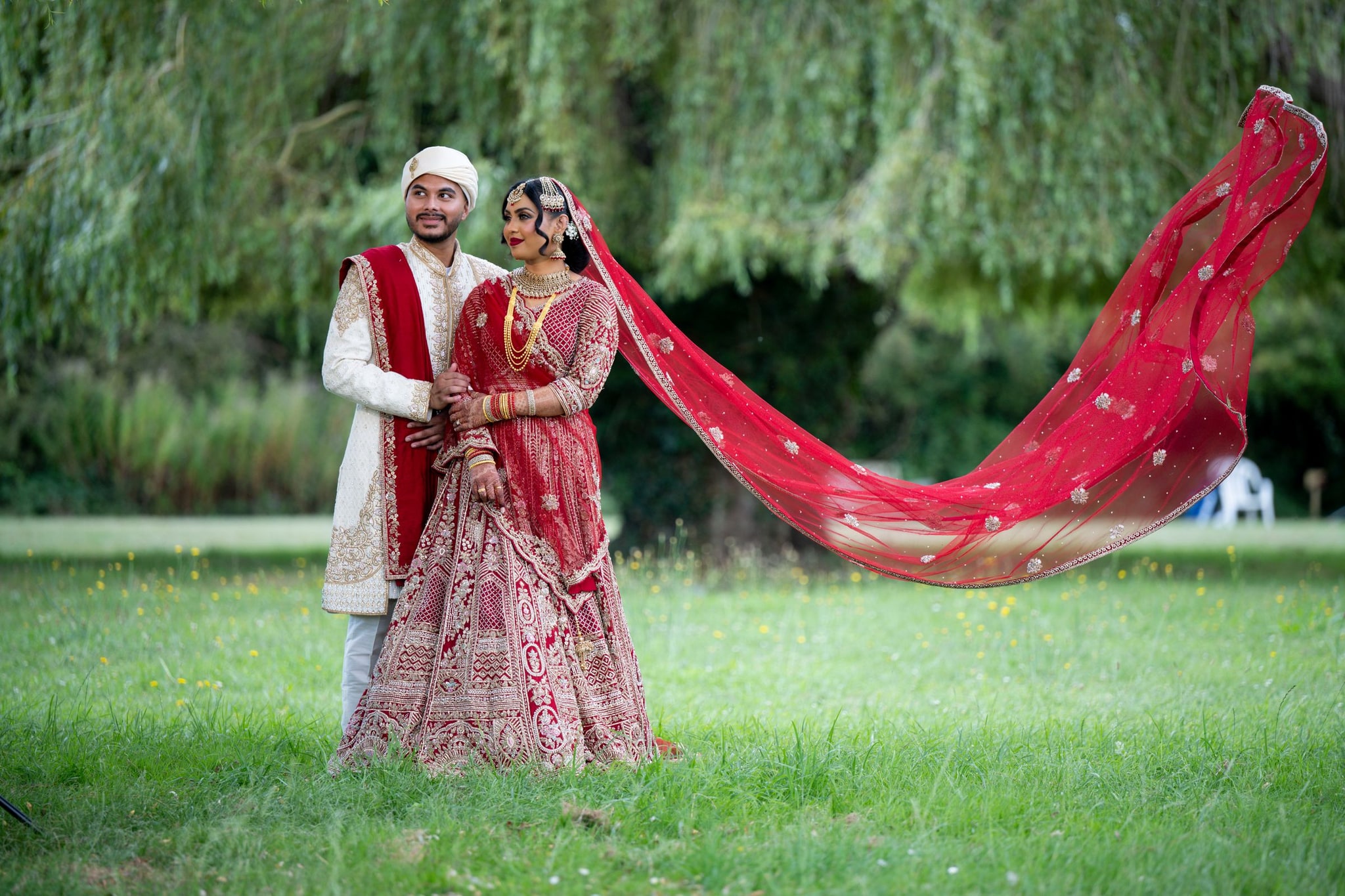
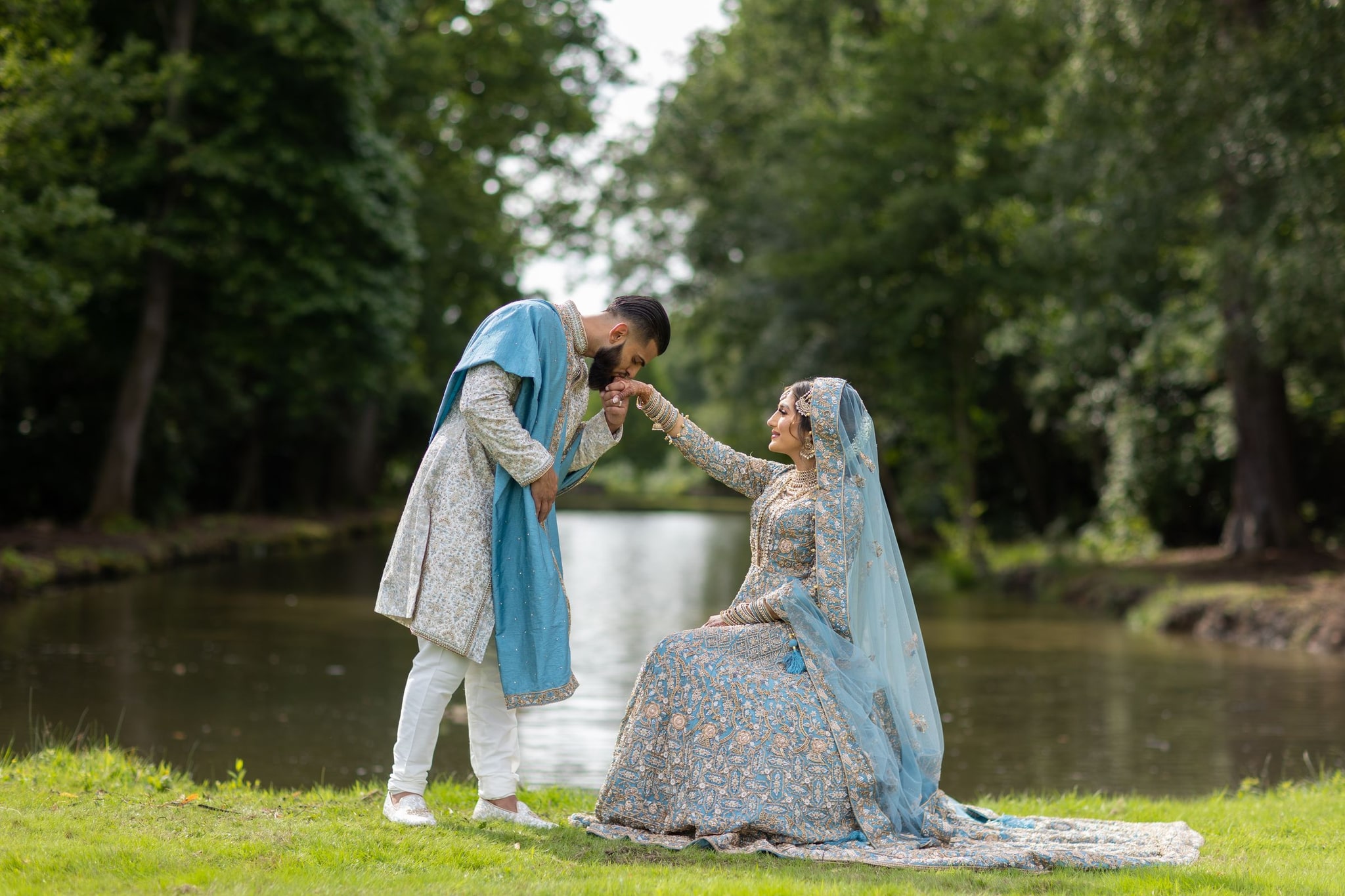
The morning that makes the film
Gaye Holud is where a Bengali wedding film is won or lost. It is loud, affectionate, entirely unposed, and it happens in a couple of hours on the morning of the wedding itself.
The married women of the family work turmeric into the bride's skin and pass a blessing on with it. Nobody is performing. The best material of the entire wedding is in that room, and it is over before most crews have finished setting up.
So we staff it like a documentary shoot, not a portrait session. Enough hands to cover the bride's house and the groom's on the same morning, and the sense to catch the singing and the mess rather than tidy them away.
We know it runs against the clock, too, Holud in the morning and the Biye that same afternoon is normal in East London. We plan the day backwards from the ceremony so the morning is covered properly without ever making the afternoon late.
What we cover
The whole run, not just the ceremony.
- 01
Gaye Holud
Turmeric at both houses, the singing, the tatva gifts and the decorated fish. The warmest half-hour of the whole wedding.
- 02
The Biye
The ceremony itself, the shubho drishti when the couple first look at each other, the mala badal, and the register.
- 03
Bou Bhaat
The groom's family's reception, welcoming the bride. Usually the following day, and usually the biggest gathering.
- 04
Family portraits
The formal groups every Bengali family wants, done quickly and properly rather than eating an hour of the day.
- 05
The details
The saree, the jewellery, the shonkha and pola, the flowers. Everything chosen over months and seen for one day.
- 06
The dancefloor
Once the formalities are done and the family stops behaving for the camera.
Coverage
Two houses on one morning is the thing that decides crew size.
Ceremony day
- One day
- One to two crew
- The Biye and the celebration around it
- Film and stills available together
Holud & ceremony
- One to two days
- Two crew
- Gaye Holud at both houses, plus the Biye
- One film across both
The bride's and groom's Holud run in parallel on the same morning. Two crews is the only way both are filmed properly.
The full wedding
- Two to three days
- Two to three crew
- Holud, Biye and Bou Bhaat
- Comprehensive film across every event
We don't publish prices, because no two of these weddings are the same. Tell us the date, the venue and how many events you are running, and we will send an itemised quote with nothing to decode.
Twenty-five years in the room
Why Bengali families book us
The things that separate documenting the tradition from filming a mess.
We know it's the aunts
The strongest footage at a Gaye Holud is the married women, the singing, the smearing, the teasing. We cover it as a documentary of them, because that is where the film actually is.
We know who applies the haldi
It is the married women of the family passing on a blessing, not simply whoever is nearest. Knowing who belongs in frame at each moment is the whole difference.
We work to the morning's clock
Holud at nine and the Biye at three is normal. We arrive early, know the beats we are looking for, and never make the ceremony run late.
Questions
Before you ask.
Is Gaye Holud the actual wedding?
No. It is the pre-wedding tradition on the morning of the wedding day, where the married women of the family apply turmeric to the bride and groom. It is one of the most affectionate parts of the whole celebration, which is exactly why it is worth filming properly rather than skipping to the ceremony.
Can you cover both houses?
Yes, and we would recommend it. The bride's and groom's Holud happen in parallel on the same morning, so we put a second crew on the groom's side and neither gets rushed.
There is barely any time before the ceremony.
That tight morning is the norm and we plan for it, early arrival, a clear list of what matters, and working fast and unobtrusively so the afternoon is never delayed.
Will you record the singing?
Yes, properly, as part of the film's sound rather than as background noise. The traditional songs are half of what makes a Holud what it is.
Do you cover the Bou Bhaat too?
Yes. Holud, Biye and Bou Bhaat cut into one film is the usual shape for the Bengali weddings we film.
Some moments are private.
Tell us which and we stay out of them, the bathing ritual especially. We agree beforehand what is covered and what is left alone.
Enquire
Is your datestill free?
Tell us the date and the venue and we will come back within one working day with availability, a crew size and a straight price.