9 September 2026
← All writingI have photographed enough Nikkahs now to know the ceremony almost never goes the way a photographer expects the first time. It is short, it rarely repeats a single moment, and the rules around it change from one mosque to the next and one family to the next. A lot of Muslim wedding photographer London guides talk about a Nikkah as though it is a smaller version of a church wedding. It is not. Getting it right means understanding what the ceremony actually is before you ever pick up a camera.
This is not a marketing page. It is what I would tell another photographer, or a couple planning their own Nikkah, if they asked me how to do this properly.
Understand what you are photographing first
A Nikkah is the Islamic marriage contract. It is conducted by an imam or a qazi, the mehr is agreed and stated, and the bride and groom give their consent, sometimes side by side and sometimes from separate rooms depending on the family. Two witnesses sign the Nikkah Nama alongside the couple, and that signature is usually the single most important moment of the whole event. To ensure every sacred moment of your ceremony is captured seamlessly, explore our specialized Nikkah photography & videography London options.
The walima, if there is one, is a separate celebration that can happen the same day or weeks later. Treating the two as one event is the first mistake I see photographers make. None of this follows a fixed script the way a reception timeline does. Some families do the proposal and acceptance before the paperwork. Others sign the register first. If you walk in expecting a set order, you will be looking the wrong way when the moment that matters actually happens.
Ask before you arrive, not during the ceremony
Every mosque and every family draws the line somewhere different, and the only way to know where is to ask in advance. Some imams are relaxed about a photographer moving along the front row. Others prefer everyone still and silent once the contract begins. Some brides want full coverage from the moment they arrive. Others want no camera at all until consent has been given, because that part of the moment is private to them. None of these preferences are unusual, and none of them should be a surprise on the day.
Questions worth settling beforehand include whether flash is allowed inside the prayer hall, whether seating is segregated, and whether the bride wants a female wedding photographer covering her section. You should also check if the couple will give consent from the same room or separate ones, and whether a walima follows on the same day that changes how long you need to stay.
Dress and behave like a guest, not a crew member
Footwear comes off at the mosque door. Modest dress is not optional. Flash stays off inside the prayer hall unless you are told otherwise, and a silent shutter mode is worth using even when it is allowed, because the room is often quiet enough that every click is audible. Move along the edges of the room rather than through the middle of it, and never step between the imam and the couple, even for a better angle. The ceremony belongs to the family. You are documenting it, not staging it.
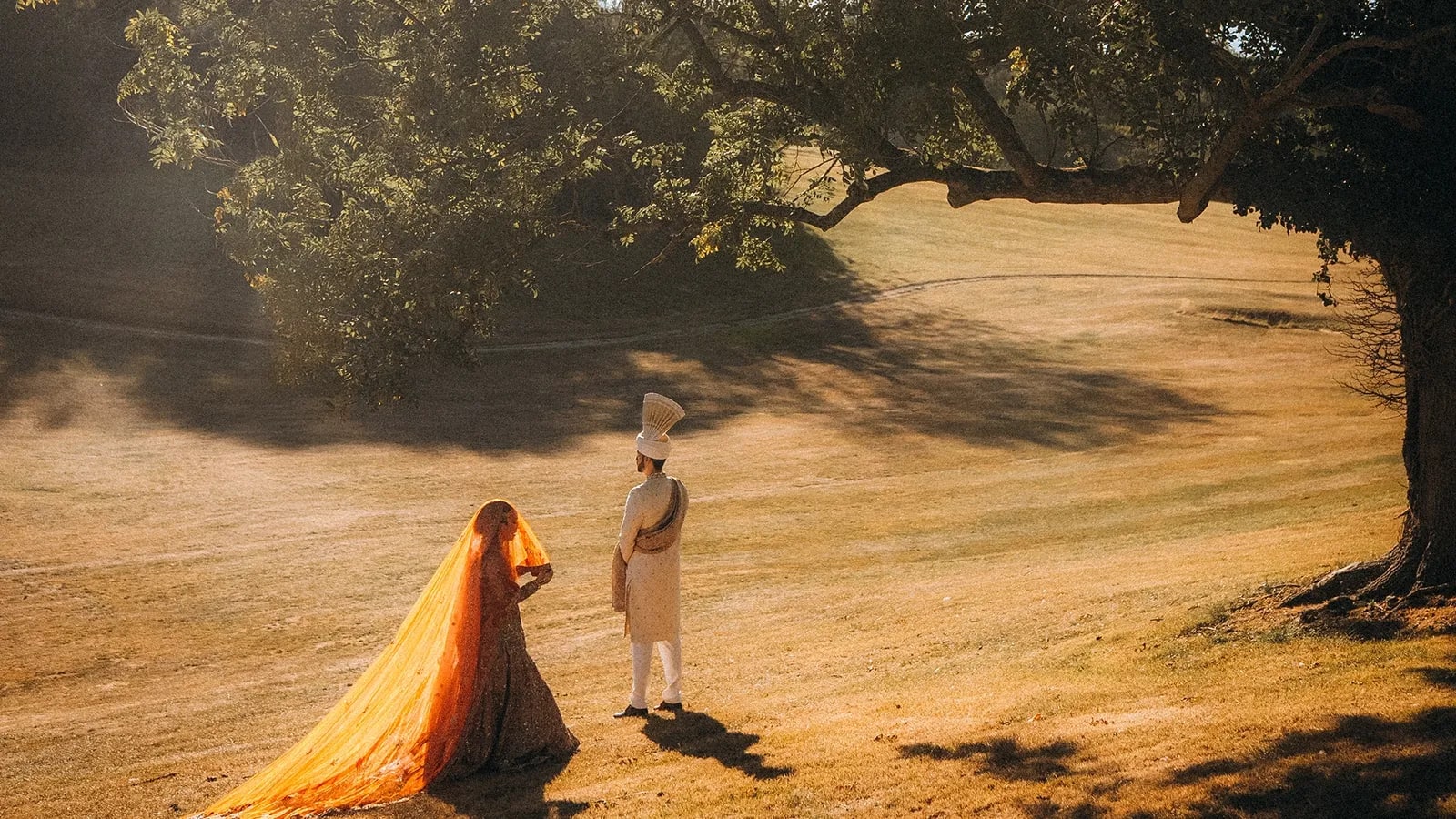
A lot of Pakistani grooms wear a floral sehra during the journey to the Nikkah and the happiness of the family during this is worth documenting. Here is a sehra bandi photography guide on how to cover.
The moments that actually matter
A Nikkah does not offer many set pieces the way a reception does, so knowing which few seconds count is most of the job.
Focus on the signing of the Nikkah Nama, pen in hand, family leaning in close. Capture the moment mehr is stated and the room reaction to it. Watch for the first time the couple see each other after consent is given where the ceremony is held with them apart. Look for a father or male guardian giving consent on the bride behalf where that is part of the family practice. Catch elders offering dua the moment the contract is complete. Pay attention to the quieter reactions at the edges of the room, such as an aunt wiping her eyes or a younger cousin filming on a phone, which tend to matter more to a family years later than any posed shot does.
The Nikkah Nama itself deserves ten minutes of its own attention once the room starts to empty. Ask before it gets folded away and photograph the document properly, along with the pen and rings if they are part of this stage rather than saved for the walima. This is the one shot families ask for afterwards and regret not getting, because a signed contract does not get signed twice.
Segregated seating changes how you should work
Where men and women are seated separately, one photographer cannot cover both sides properly. If you are working solo, agree with the family in advance which section takes priority. Alternatively, bring a second photographer so both halves of the room are documented without anyone crossing into a section they should not enter. Booking a dedicated muslim documentary wedding photographer to cover the women section is a common and reasonable request, and it works far better arranged ahead of time than improvised on the day.
Nikkahs do not only happen at mosques
Plenty of Nikkahs in the UK take place at home, in a hotel function room, or at a registry office, sometimes in under half an hour. Smaller settings raise the pressure rather than lower it, because there is nowhere to hide a poor angle and the ceremony may be over before you have properly read the room. Walk the space beforehand where you can.
For a home Nikkah, check which window gives the best light at the time the ceremony is booked, and where elders will be seated so you are not shooting into a doorway. For a hotel or registry office, arrive early enough to understand the layout before guests fill the room, because there is rarely a second chance to reposition once the imam begins.
Common mistakes that cost a photographer the best shot
Avoid treating the Nikkah as a rehearsal for the walima and saving your attention for later in the day. Never assume a fixed running order and miss consent because you were looking at the wrong side of the room. Do not forget to photograph the Nikkah Nama before it disappears into someone bag. Never use flash inside the prayer hall without checking first. Finally, avoid sending one photographer into a segregated ceremony expecting to cover both sections at once.
A short checklist before the day
- Confirm the mosque or venue rules on flash and movement.
- Ask whether seating is segregated and plan coverage accordingly.
- Ask if consent will be given in the same room or separate ones.
- Set aside time after the signing for a proper photograph of the Nikkah Nama.
- Know whether a walima follows the same day and plan your hours around it.
- Dress modestly and remove footwear where required without being asked twice.
A Nikkah rewards preparation more than any other part of a Muslim wedding, precisely because it gives you so little room to improvise. Know the ceremony, ask the family what they want, and stay close enough to the moments that matter to catch them once, because with a Nikkah, once is usually all you get.