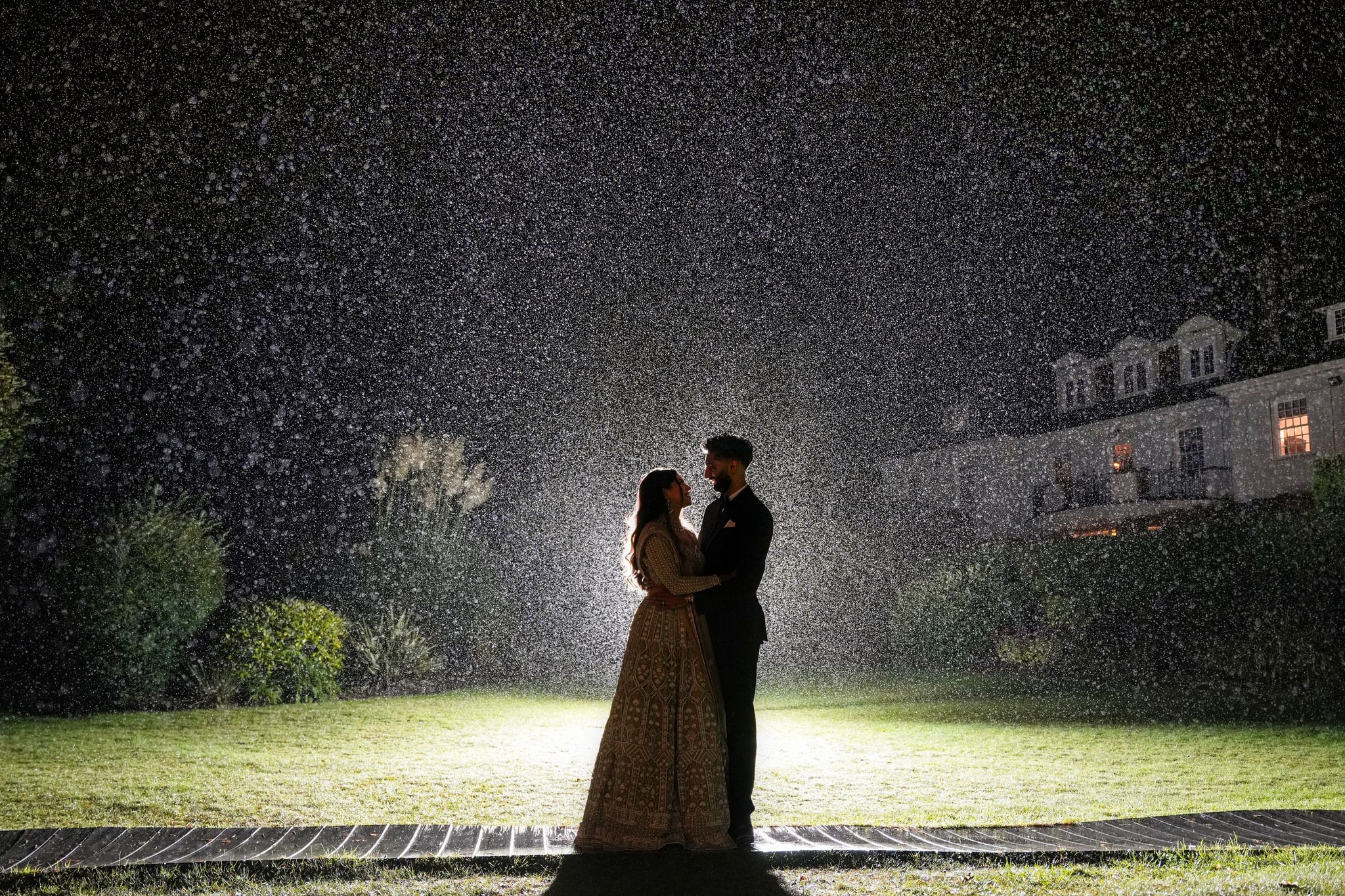
Hindu Vivaah Photography & Videography London
Documenting every sacred moment under the mandap with artistic clarity and cinematic depth, from the Kanyadaan to the Saptapadi.
The work
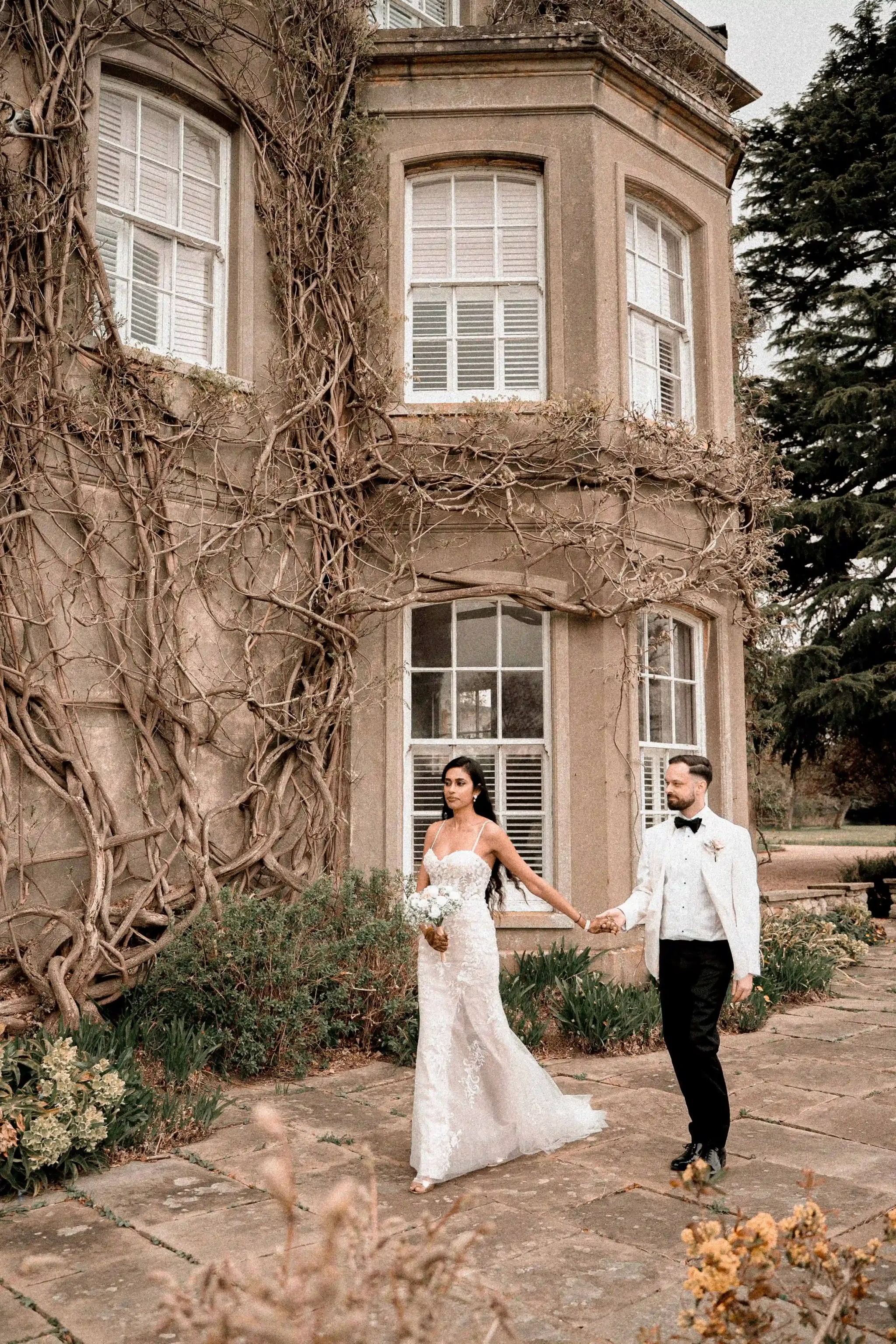
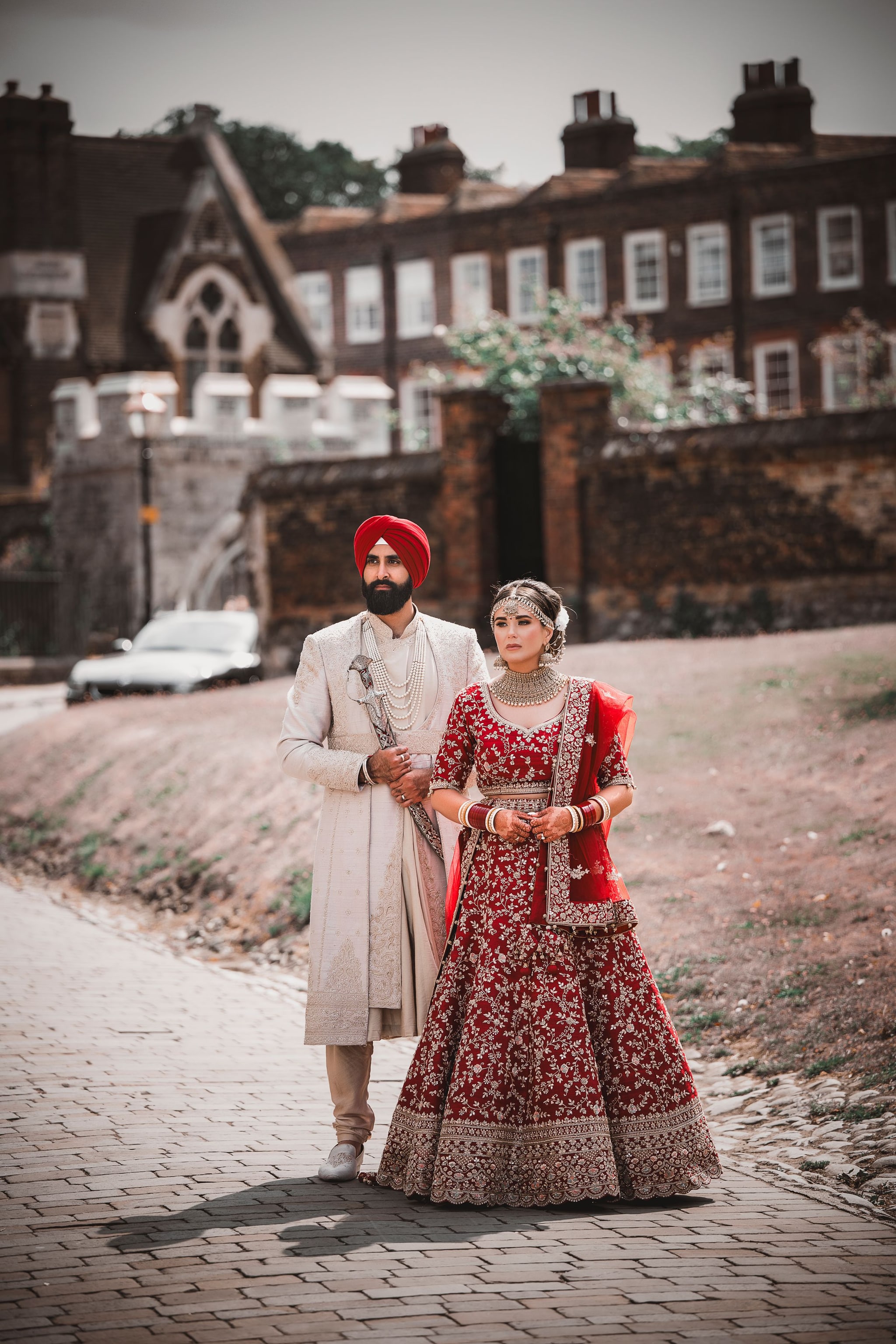
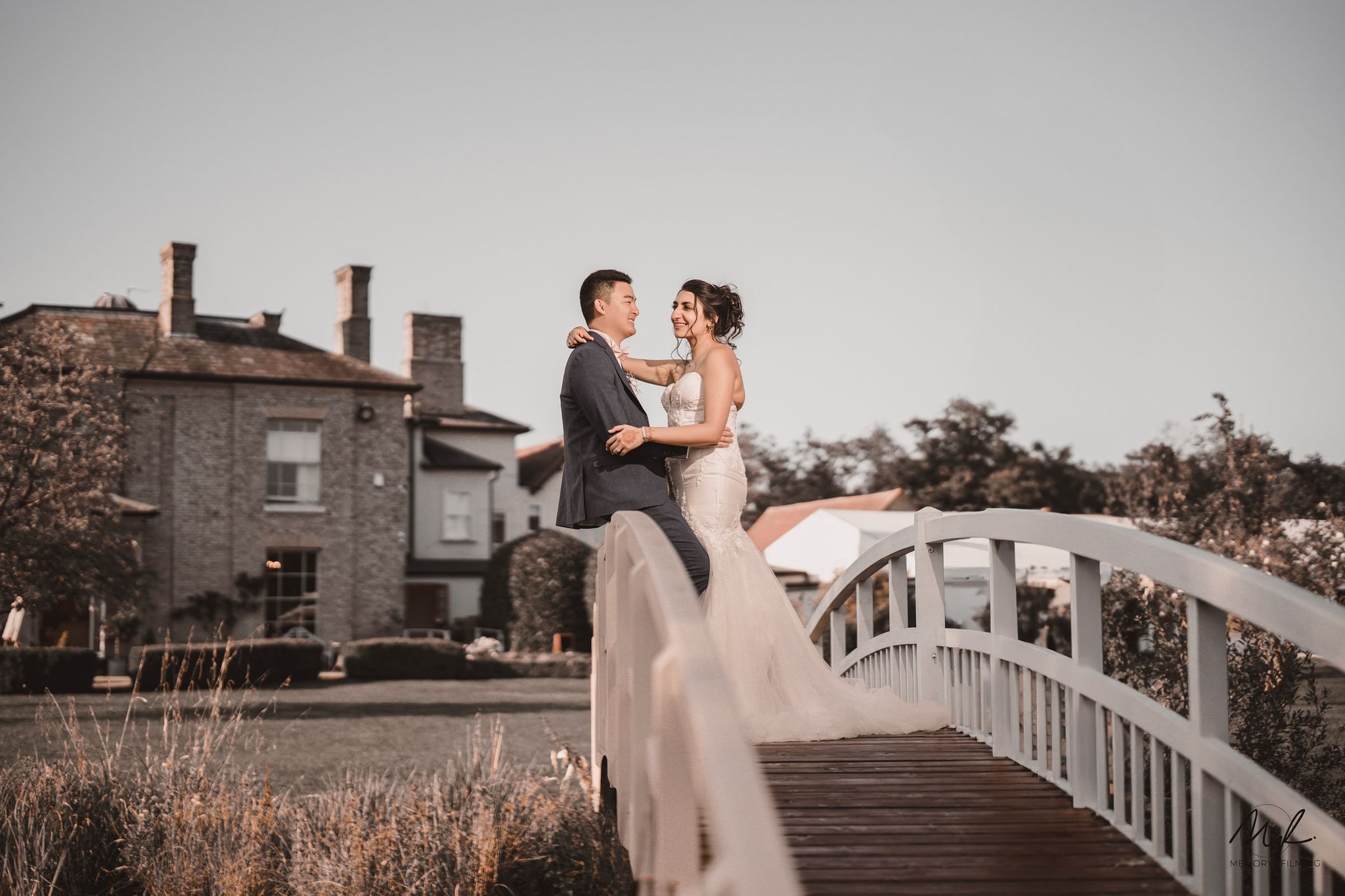
Recent Hindu films, shot and graded in house.
The Hindu wedding
Vivaah Sanskar is a ceremony lit by fire. The Agni in the centre of the mandap is not decoration. It is the witness to every vow, and it is also the hardest light in wedding work: warm, moving, changing by the minute, under coloured drapes and mandap spots that fight each other.
We light for it rather than against it. Twenty-five years under mandaps across Leicester, London and the Midlands means we know the sequence cold, the Varmaala, the Kanyadaan, the seven steps of the Saptapadi, and we know which rituals you are keeping and which you are not, because we ask your Pandit before the day.
Order of service
The Vivaah Sanskar
Seven steps, and the light keeps changing.
- Where
- Under a decorated mandap with the Agni at its centre, the Pandit presiding and chanting the Sanskrit mantras. Often the most complex lighting of the whole day.
- How long
- 45 minutes to 1.5 hours
- 01
Varmaala
वरमालाThe couple exchange flower garlands, mutual acceptance, and usually the first genuinely playful moment, with the bride sometimes lifted out of reach. We shoot it wide for the crowd and tight for the faces.
- 02
Kanyadaan
कन्यादानThe bride's father places her hand in the groom's and entrusts her to him. One of the two most emotional moments of the day. We are on three faces at once here: father, bride, groom.
- 03
Vivaha Havan
The sacred fire is lit and the Pandit begins the mantras. The Agni becomes the witness to everything that follows. We manage the changing colour temperature of the flame rather than let it wreck the grade.
- 04
Saptapadi
सप्तपदीThe binding momentSeven steps around the fire, one vow at each, nourishment, strength, prosperity, happiness, family, the seasons of a life, and lifelong friendship. This is the binding ritual: the willingness to walk together is the marriage. We hold the couple and the fire in the same frame, step by step.
- 05
Mangalsutra & Sindoor
The groom ties the mangalsutra and applies sindoor in the parting of the bride's hair, the marks of her married status. Close, quiet, and often tearful. We cover both without crowding.
- 06
Aashirwad
The closing blessings, family and elders shower the couple with flowers and rice. The release after the solemnity; we let the celebration in.
Before the ceremony
A Hindu wedding is rarely one day. We cover the run of it.
- 1–2 weeks before
Mehndi
Henna on the bride's hands and feet, women-centred and joyful.
- 2–3 days before
Haldi
Turmeric on the bride and groom, applied by family. The messiest, most affectionate morning of the week.
- 1–2 days before
Sangeet
The choreographed night, family performances, dancing, the big party.
- morning of
Baraat
The groom's procession to the venue, horse or car, dhol, and the welcome at the doors.
Twenty-five years in the room
What we get right
The details that tell a Hindu family their videographer has been under a mandap before.
We light for the fire, not around it
The Agni is a moving, warm light source under competing mandap spots and coloured drapes, the hardest grade in wedding work. We expose and white-balance for it so the whole ceremony reads as one film, not a run of clashing colour casts.
We know the seven steps are the marriage
The Saptapadi is the binding ritual, not a vow spoken aloud. We frame the couple and the fire together through all seven so the moment that actually marries them is never a wide crowd shot.
We ask which tradition you're keeping
North and South Indian, Gujarati, Marathi, Punjabi Hindu ceremonies differ in sequence and name. We speak to your Pandit beforehand about exactly which rituals you are doing and in what order, so nothing important arrives unannounced.
We stay clear of the Agni
We keep equipment and crew a safe distance from the fire and take the Pandit's guidance on positioning around it, close enough to hold the moment, never close enough to intrude on the havan.
Questions
Before you ask.
How do you film in the low, warm light around the fire?
Fast lenses, high ISO and careful white balance. The Agni is a moving warm light under mandap spots that are often a different colour temperature. We expose for the fire and correct in the grade so the ceremony holds together as one look rather than a patchwork of casts.
Our ceremony is South Indian or Gujarati, do you know the differences?
Yes, and we confirm the specifics with your Pandit rather than assume. Regional Hindu ceremonies differ in ritual order and terminology, a Tamil Thirumanam is not a North Indian Vivaah, so we agree the running order in advance and staff to it.
How long is a Hindu wedding ceremony?
The Vivaah itself is usually 45 minutes to an hour and a half, though the full day around it runs much longer with the Baraat, the ceremony and the reception. Multi-day coverage across the Mehndi, Haldi and Sangeet is the norm for us.
Can you condense a three or four-day wedding into one film?
Yes. That is most of what we do. We shoot every event, then cut the whole thing into a single feature with one grade running across all of it, so the Mehndi and the Vivaah feel like chapters of one story rather than separate videos.
Will you capture the Kanyadaan and the parents' reaction?
Yes. The Kanyadaan is one of the most emotional moments of the day, and it plays across three faces at once. We cover it with more than one camera so the father, the bride and the groom are all held, not just the hands.
Enquire
Is your datestill free?
Tell us the date and the venue and we will come back within one working day with availability, a crew size and a straight price for your hindu film, no consultation call required first.