English Wedding Photographer & Videographer London
From classic church ceremonies and London registry offices to countryside manors, capturing your day with natural elegance and documentary depth.
The work
Recent Civil & church films, shot and graded in house.
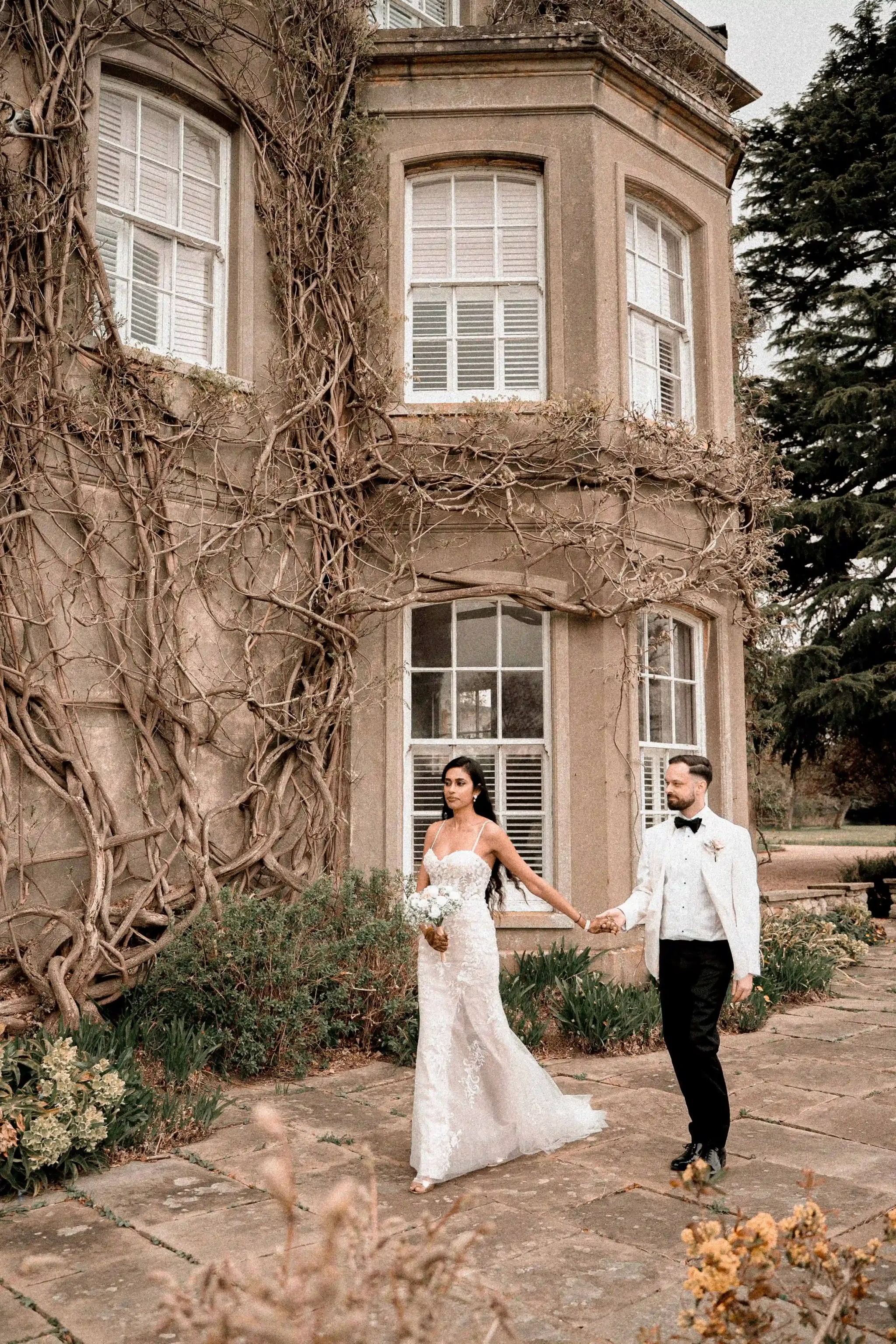
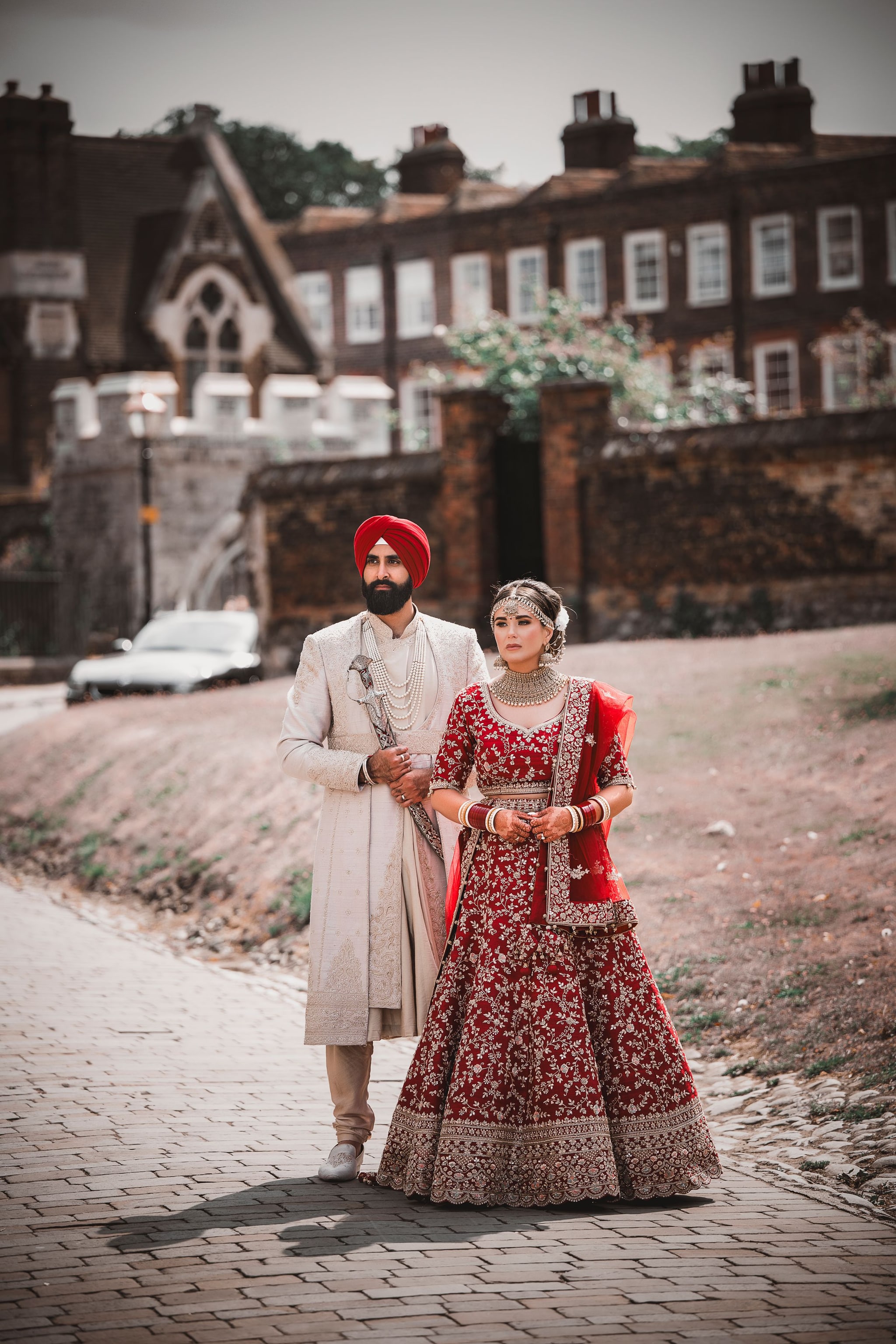
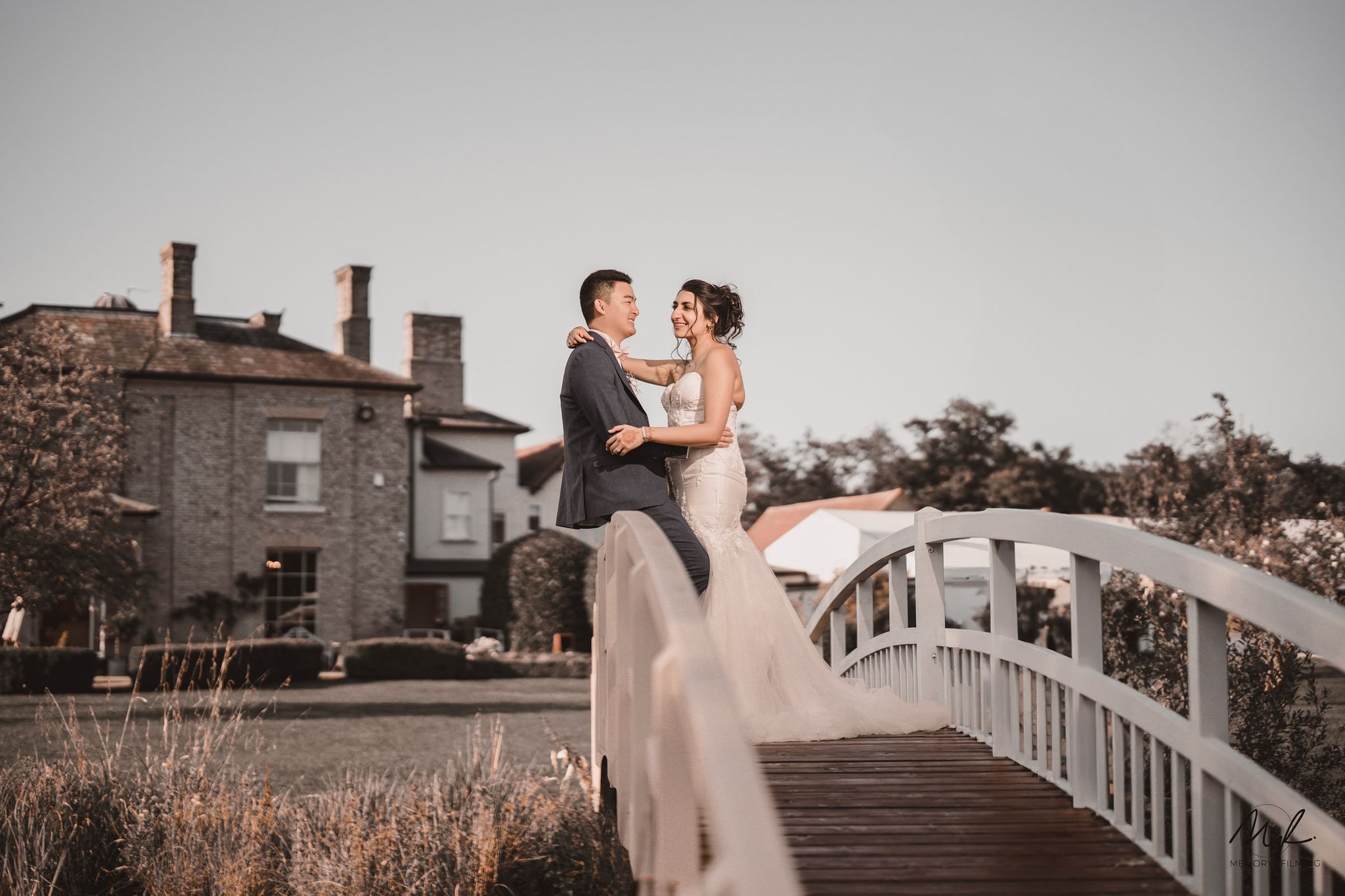
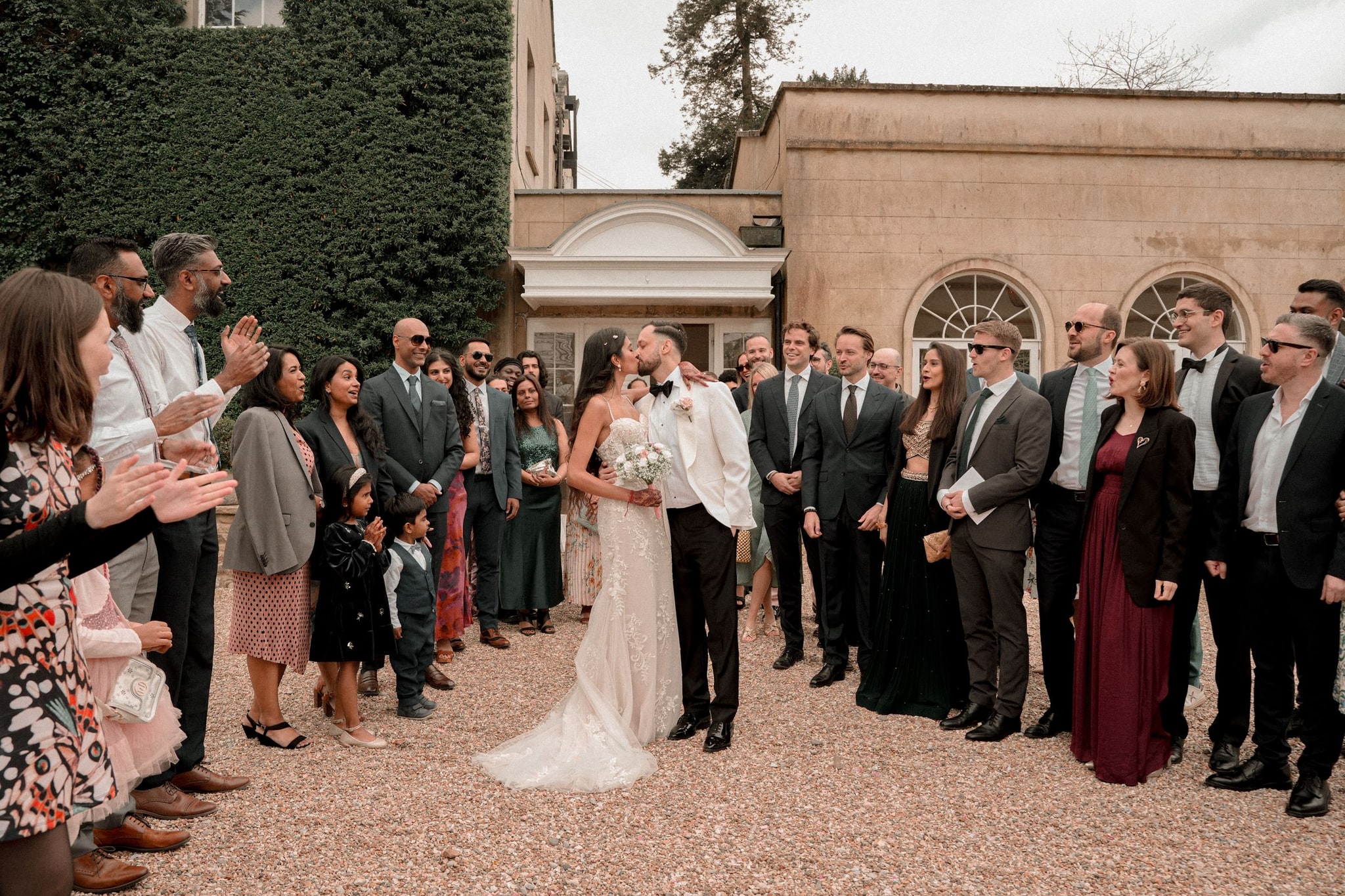
The Civil & church wedding
Half of what we film now is a fusion, a Nikkah on the Friday and a Cotswolds barn on the Sunday, an Anand Karaj in the morning and a civil ceremony in the afternoon. Two families, two traditions, two entirely different rooms, and one couple trying to make them feel like a single wedding.
That is the job we are built for. Twenty-five years across every Asian tradition and the English weddings they increasingly marry into means one crew can carry both halves, the register office and the mandap, the church and the Walima, and cut them into one film with one grade, so it reads as your wedding rather than two videos stapled together.
Order of service
The ceremony
And when two families do it twice.
- Where
- A register office, a licensed venue, or a church, with a registrar or vicar presiding, 15 to 20 minutes for a civil ceremony, 30 to 45 for a church service.
- How long
- 15–45 minutes
- 01
Processional
The bride's entrance. In an English ceremony this is the emotional high point, and we shoot it from both ends, the walk in, and the faces at the top of the aisle waiting for her.
- 02
Declarations & vows
The binding momentThe legal declarations and the vows, personal or standard. This is the binding moment of an English wedding, the equivalent of the qubool hai or the thali, and we are close and locked on it.
- 03
Ring exchange
The rings. A short, tender beat we hold tight on the hands and then the faces.
- 04
Signing the register
The signatures and witnesses that make it legal. The formal, quieter moment we cover without staging it.
- 05
The recessional
The first walk back down the aisle as a married couple, and the confetti if the venue allows it. The release, and the handover into the reception.
The English half
Whether it stands alone or sits beside an Asian ceremony, the shape is familiar.
- the open
The processional
The bride's entrance, the emotional peak of a civil or church ceremony. We cover the aisle and the faces waiting at the end of it.
- the centre
Vows & rings
The declarations, the vows, the ring exchange. In an English ceremony this is the binding moment.
- the formal beat
Signing the register
The legal signatures and witnesses, the quiet, official moment between the vows and the celebration.
- the release
The recessional
Back down the aisle, the first walk as a married couple. Confetti, if the venue allows it.
Twenty-five years in the room
What we get right
The things that matter when your wedding is two weddings.
One crew across both weddings
When your wedding is two ceremonies in two traditions, the worst outcome is two crews who've never met filming two videos that don't match. We carry both halves ourselves, so the whole thing is shot by one team that knows how the day connects.
One grade across everything
A church in daylight and an Asian ceremony under warm mandap fire are two completely different looks. We grade them to belong to the same film, so a fusion wedding plays as one story rather than a before-and-after.
We know both orders of service
We are as at home with a registrar's running order and a church service as we are with a Nikkah or an Anand Karaj, so nothing in either half of a fusion wedding is unfamiliar, and neither tradition gets the thinner coverage.
We plan for the changes
Fusion weddings mean outfit changes, travel between venues, and two timelines to reconcile. We build the coverage plan around all of it in advance so the day's logistics never cost you a moment on film.
Questions
Before you ask.
We're having two weddings, an Asian ceremony and an English one. Can you do both?
That is a lot of what we film now, and it is exactly what we are set up for. One crew covers both, the Nikkah or Anand Karaj and the civil or church ceremony, and we cut them into a single film with one grade, so it feels like your wedding rather than two separate videos.
Will the two halves match, or look like different films?
They'll match. A daylight church and a fire-lit mandap start as very different looks, and the grade is where we bring them together so the whole film reads as one story. That is the main reason to have one crew across both rather than two.
Do you film civil ceremonies and register office weddings?
Yes, civil ceremonies at register offices and licensed venues, church weddings, and English weddings that stand entirely on their own, not only as the second half of a fusion. The coverage and the finish are the same either way.
Can you handle two venues and costume changes in one day?
Yes. Multi-venue, multi-outfit days are standard for fusion weddings. We plan the timeline and the crew around the changes in advance so nothing important is missed while everyone is moving between locations.
How long will a two-ceremony wedding film be?
It depends on how much of each you want carried, but the point is that both traditions get their due in one film. We'll talk through the balance beforehand so neither the English ceremony nor the Asian one ends up as an afterthought.
Enquire
Is your datestill free?
Tell us the date and the venue and we will come back within one working day with availability, a crew size and a straight price for your civil & church film, no consultation call required first.